

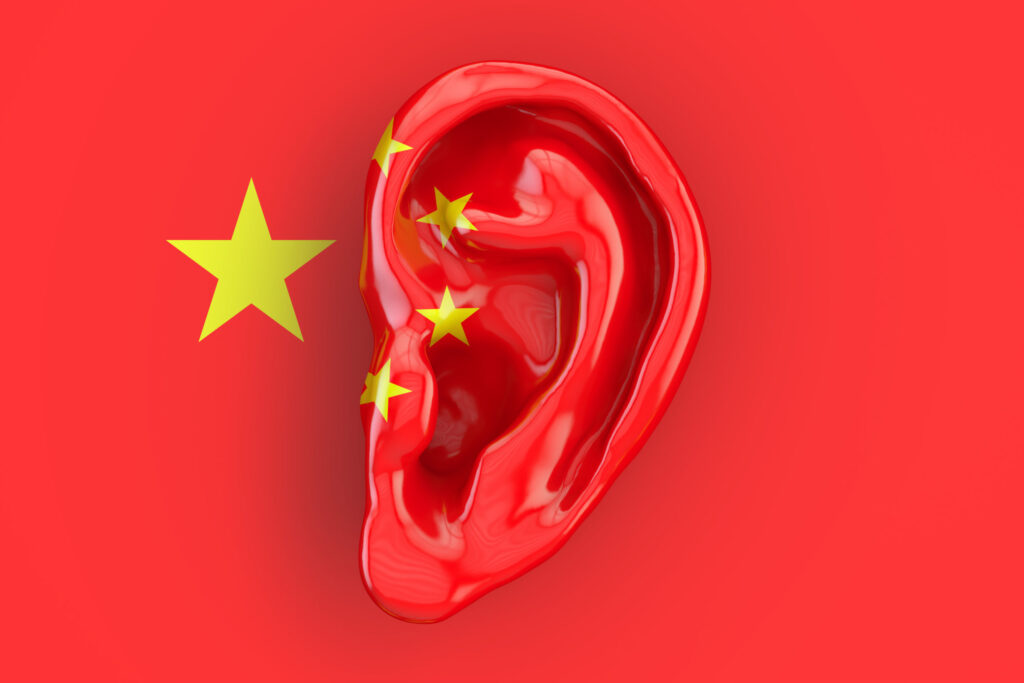
Senator Mike Rounds of South Dakota sounded the alarm last Friday on the growing cybersecurity threat posed by China’s state-sponsored hacking group, Salt Typhoon. The senator warned that the hackers now have the ability to spy on millions of Americans by infiltrating the telecommunications networks of major U.S. providers.
During a discussion at the Halifax International Security Forum, Rounds disclosed disturbing details about the extent of the cyber breach, stating that Chinese hackers have gained unauthorized access to the infrastructure of all major American telecom companies, including AT&T, Verizon, and T-Mobile. This breach, which has reportedly been ongoing for more than a year, is not only a violation of American privacy but a direct challenge to national security.
The Daily Caller reports:
Hackers even accessed law enforcement wiretap request logs, revealing investigative targets, though the wiretap system itself remains uncompromised, WaPo said. The breach reportedly targeted communications involving former President Donald Trump, Vice President-elect JD Vance, and White House officials.
“Any one of us and every one of us today is subject to the review by the Chinese Communist government of any cell phone conversation you have with anyone in America,” Rounds said, emphasizing the alarming scope of the hack. “They have access to every single one of our major telecommunications companies. They have broken in. They can read your texts, and they can hear your conversations. It’s just a matter of who they want to listen to and who they don’t.”
According to Senate Intelligence Committee Chair Sen. Mark Warner, this breach is the “worst telecom hack in our nation’s history—by far.”
Despite the intervention of the FBI, the hackers remain deeply embedded in the U.S. telecom infrastructure, with little progress in expelling them from the networks. The breach is considered ongoing, and according to Warner, it would require a massive overhaul of the affected systems to remove the hackers completely. This includes the physical replacement of routers and switches that have been compromised.
Salt Typhoon’s success in infiltrating U.S. telecom networks has been attributed to several factors, including outdated infrastructure and a reliance on inter-network trust. These vulnerabilities allowed hackers to access communications in real time, exfiltrating sensitive data and giving them the power to monitor millions of phone calls and text messages. While fewer than 150 individuals were directly targeted, the data harvested extends to millions of associated contacts, amplifying the scale of the breach.
Deputy National Security Adviser Anne Neuberger stressed the need to “lock our digital doors,” calling for stronger protections against persistent cyber threats.
U.S. officials, including those appointed under the Trump administration, have vowed to make combating cyber threats a top priority. National security experts warn that this breach is only one of many cyberattacks against U.S. infrastructure, and a coordinated, robust defense strategy is required to mitigate the risk of future attacks.

















Decouple.
I think the Big Guy has plenty, now.