

Missile Strike Escalates Regional Tensions
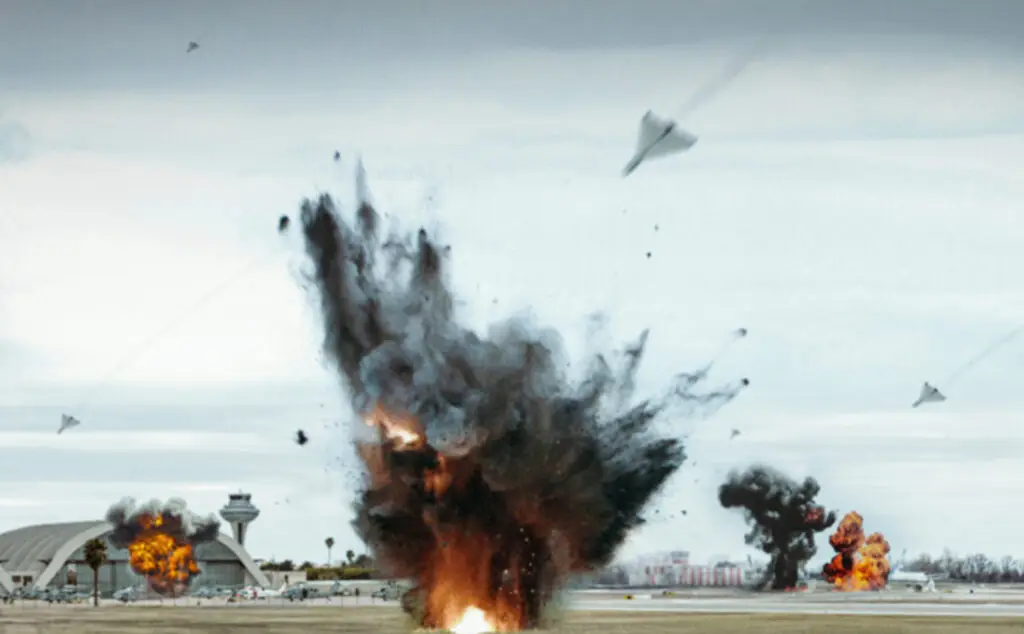
A Palestine-2 hypersonic missile fired Sunday morning by Yemen’s Houthi terrorist group struck near Ben Gurion International Airport in Tel Aviv, marking one of the most significant long-range attacks on Israeli territory since the Gaza War began in October 2023. The Iran-backed Houthis claimed responsibility, citing retaliation for Israeli operations against Hamas-led militants in Gaza.
Prime Minister Benjamin Netanyahu responded by holding Iran directly responsible, stating Israel would retaliate “at a time and place of our choosing.” He also referenced a prior warning from U.S. President Donald Trump that any such attacks would trigger severe consequences. (RELATED: You Might Actually Love This Senator’s Explosive Critique Of Trump)
Iran-Houthi Axis Shows Its Reach
The Houthis are not acting alone. The group, aligned with Iran ideologically and strategically, has received significant weapons support from Tehran — including drones and precision missiles. These weapons have been used not only in Yemen’s civil war but increasingly across the region, striking Saudi Arabia, the UAE and now Israel and U.S. assets.
Since October 2023, the Houthis have launched over 200 attacks on Israeli targets and international shipping, according to the Armed Conflict Location and Event Data (ACLED) project. Their disruption of maritime trade through the Red Sea and Suez Canal has raised alarms among Western powers. Sunday’s strike marked an escalation in their operational reach and impact. (RELATED: Flawed Warships Repurposed To Help US Cities Cut Crime)
Gaza War Fuels Broader Conflict
The Houthis framed the missile attack as retaliation for Israel’s war in Gaza, which began after Hamas launched a deadly cross-border assault on Oct. 7, 2023. In response, Israel has waged an intensive military campaign against Hamas and its infrastructure, leaving wide swaths of the Gaza Strip in ruins.
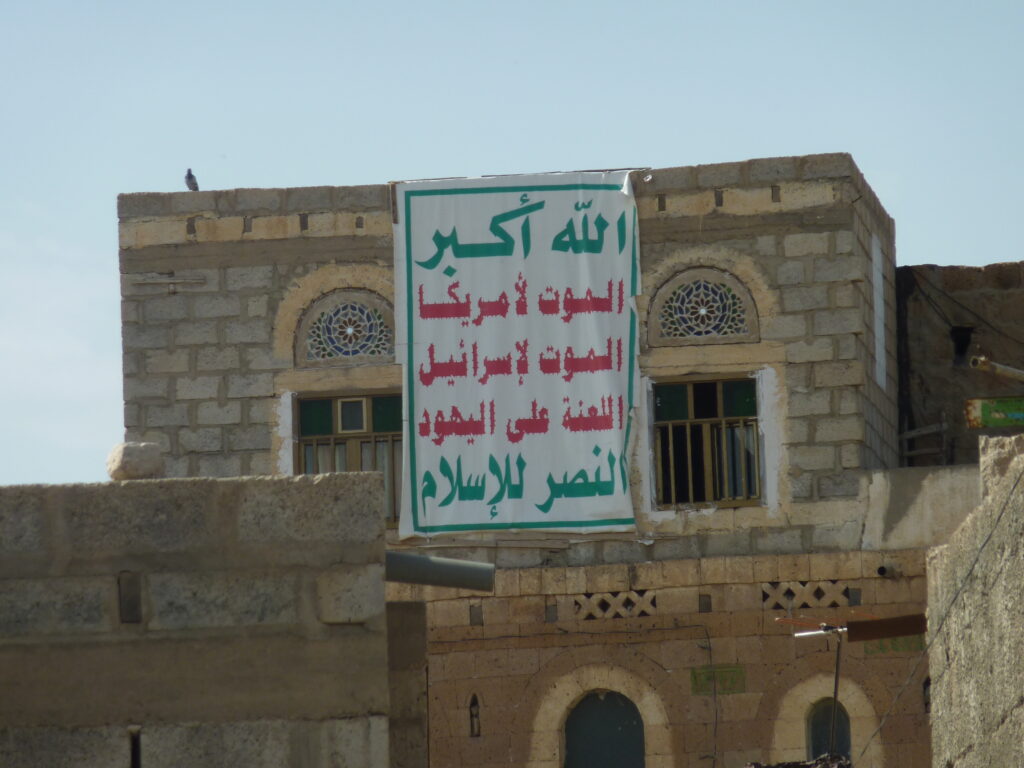
The Houthis have used the Gaza conflict as justification for widening their offensive posture, echoing anti-Israel rhetoric and coordinating with Iran to advance shared goals. Their slogan — “God is the Greatest, Death to America, Death to Israel, Curse be upon the Jews, Victory to Islam” — underscores their ideology and alignment with Tehran.
What Comes Next?
While no casualties were reported in Sunday’s strike, the implications are far-reaching. Israel faces a multi-front threat — Hezbollah in the north, Hamas in Gaza and the Houthis from the south — all supported or encouraged by Iran. Netanyahu’s vow of retaliation signals a likely expansion of military operations beyond Gaza and Lebanon, potentially targeting Iranian assets or proxies in Yemen.
How and when Israel responds will shape not only the next phase of this war, but also broader U.S. and regional strategy in countering Iranian aggression.
READ NEXT: Middle East Talks On Edge — US Raises Economic Pressure




















The Hooties are just a bunch of two bit pirates. Without Iranian weapons and paychecks, they would be nothing. Quoting the two holy words….LET’S ROLL!