







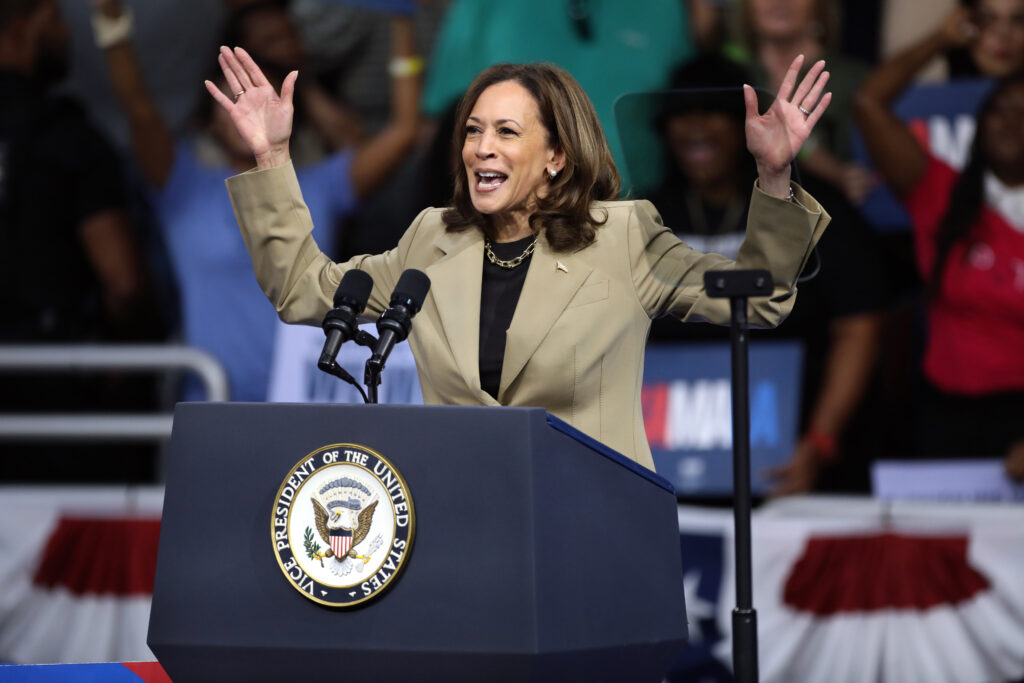
As Vice President Kamala Harris ramps up her outreach to black voters ahead of the 2024 elections, her recent comments and behaviors have sparked significant controversy. Many view her as pandering and inauthentic, especially as she faces lagging support among black male voters—a critical demographic for the Biden-Harris administration.
In front of an audience of black men, she bragged that she was the first vice president to grow chili peppers. Like many of her other interactions filmed and posted to her social media accounts, it struck viewers as staged and forced. While she may have intended to celebrate her heritage or attempted to connect with black voters, for many, it fell flat — reminiscent of Hillary Clinton’s 2016 interview on the Breakfast Club where she was accused of pandering when she proclaimed that she carried hot sauce in her purse on a radio show with a primarily black audience.
Weeks ago, also on camera, Harris recounted a bizarre story about preparing collard greens in a bathtub, and was widely criticized as spectators struggled to believe her or make sense of her claims.
These remarks come as Harris hemorrhages support from ethnic minorities and especially black male voters, who have shown increasing discontent with the administration. Polls indicate that support among this demographic has dwindled, prompting Harris to ramp up her efforts to reconnect.
Just days ago, she announced a plan that would benefit black male business owners, granting forgivable $20,000 business loans, and has already walked back her proposals, further emphasizing her authenticity problem to many voters.
Critics have also pointed to Harris’ tendency to alter her accent when speaking to different audiences. In a Univision appearance, she spoke with a pronounced Latin accent, and in majority black cities, she’s used a southern inflection. This apparent change in delivery has led to questions about her sincerity and whether she is truly connecting with her audience or merely performing for political gain.
Harris’ approach reflects a broader challenge for the Democratic Party in engaging black voters effectively. Black voters have increasingly reported feeling infantilized, dismissed and neglected by the party they vote for in overwhelming numbers. Many within the community express a desire for concrete policies that address their needs, rather than superficial gestures or anecdotes.
Barack Obama recently visited one of her campaign headquarters in Pennsylvania, and lectured black men about their lack of support for the Democratic nominee. Despite Obama’s favorability — especially when compared to Kamala — the move seemed to backfire, with friendly outlets like CNN blasting the condescending and entitled nature of his monologue.
Political commentators are closely monitoring Harris’ strategy as the election approaches. The upcoming election will serve as a litmus test for the demographic’s loyalty to the Democratic Party. In a political climate where Trump was initially embraced in large part because he was a Washington outsider and not in spite of it, hollow anecdotes and forced accents may not be enough to resonate with the electorate.
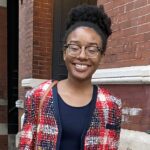
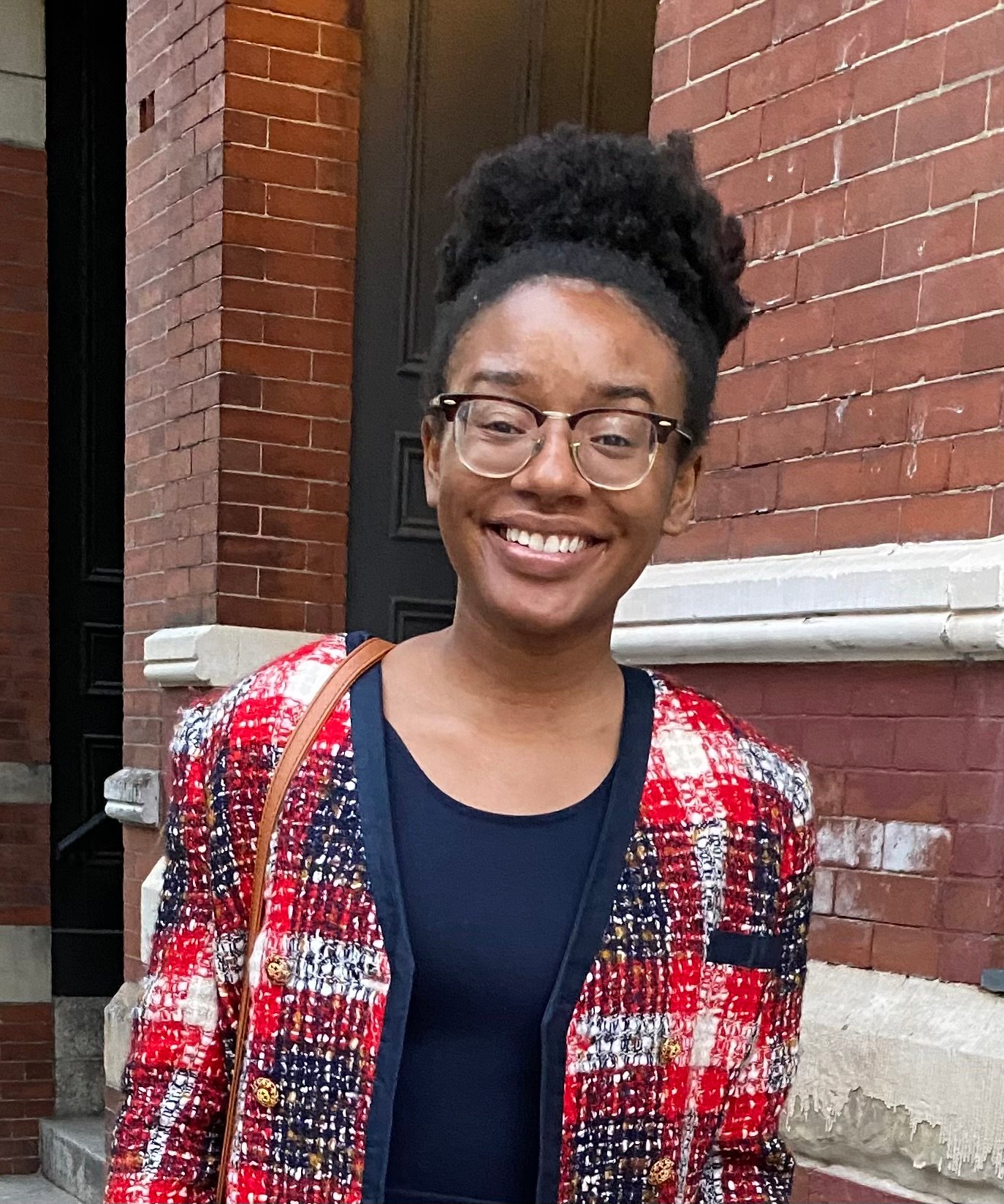
Seijah Drake was born in Boston, MA, where she developed a penchant for writing early on and a passion for politics in college. After college she worked briefly for a conservative media in New York before relocating to the Greater D.C. Area to pursue a career in political marketing. She now resides in the free state of Florida.


















I love Crystal hot sauce and jalapeños. I hate Kammie.