





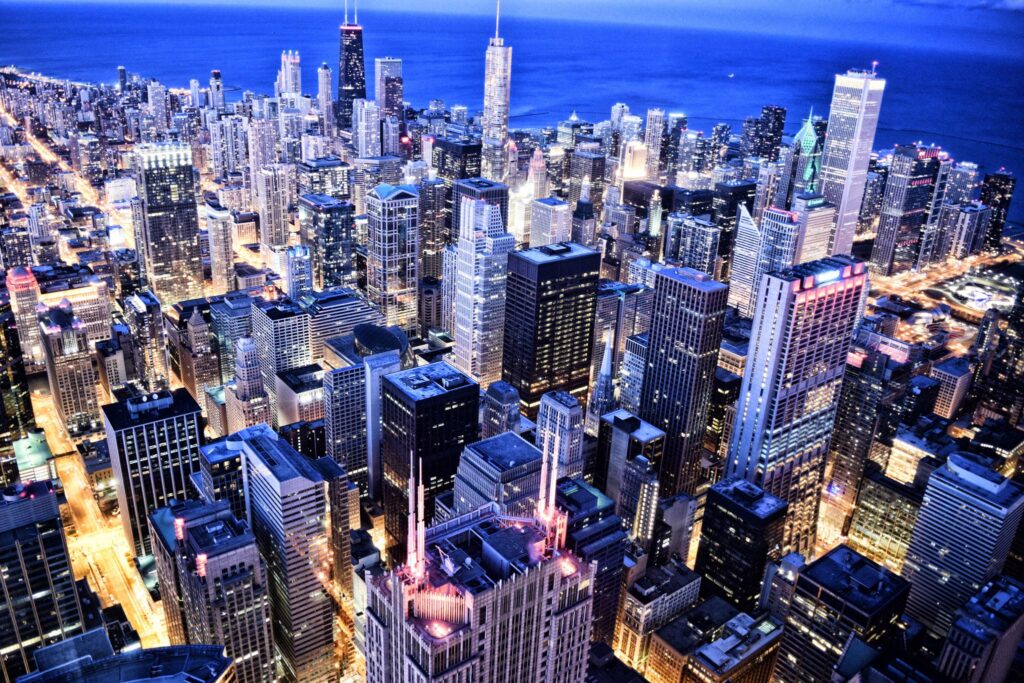
On Friday’s broadcast of Newsmax TV’s National Report, Rep. Jonathan Jackson (D-IL) advocated for a public vote to allow the city’s residents to decide whether they want to maintain their status as a sanctuary city. Jackson’s comments come amid ongoing debates surrounding the growing migrant crisis and its impact on local communities.
In the interview, he lamented that the citizens of Chicago were “denied the opportunity to recast their vote” on this matter, underscoring the idea that such a significant policy decision should reflect the will of the people.
Jackson pointed out that the sanctuary city policy, which was enacted during the tenure of Mayor Harold Washington in the 1980s, has not been revisited by voters in recent years. The policy was designed to limit local cooperation with federal immigration authorities and to provide protection for illegal immigrants, a status Chicago has maintained for decades.
He emphasized the growing challenges Chicago faces in managing its role as a welcoming city for migrants. “This policy came in place during the time of Mayor Harold Washington. It was stopped from heading to the floor of the City Council. The citizens of Chicago have a right to determine if they want to be a sanctuary city,” Jackson said.
Jackson’s remarks also come as Chicago, like many major U.S. cities, grapples with a significant influx of migrants from the southern border. In recent months, the surge of migrants has placed unprecedented pressure on the city’s resources, with shelters, schools, and social services struggling to keep up with the demand. As the number of migrants arriving in Chicago continues to grow, some residents and political leaders are growing hostile, insisting that the newcomers are taking from and harming long time legal residents.
Jackson’s call for a public vote on the sanctuary city status reflects the broader debate in many cities across the U.S. about the challenges and benefits of sanctuary policies. Supporters of sanctuary cities argue that such policies provide vital protections for immigrant communities, while critics contend that they place an undue burden on local resources and law enforcement, in addition to fostering an environment for crime and lawlessness.
The sanctuary city issue is highly politicized, with local leaders, especially in Democratic-run cities like Chicago, often at odds with state and federal authorities over immigration enforcement as well as their own constituents.
However, as the migrant crisis intensifies, some Chicago residents are questioning whether the sanctuary city policy is still appropriate or feasible. Jackson, who represents Chicago’s South Side, has long been an advocate for immigrants but as tensions rise and lifelong Chicagoans continue to voice their discontent, he argues that the public must be consulted.
Chicago is a city deeply divided on the sanctuary policy. While there are strong proponents of the policy who argue that it is essential for protecting vulnerable communities, there are also growing concerns among residents about the economic and social implications of continued open-door immigration policies.
Some of the criticism comes from residents who are concerned about the capacity of city infrastructure to handle the growing number of migrants, especially in light of rising homelessness, school overcrowding, and strained public services. The debate also centers on whether taxpayers should be expected to bear the financial burden of sanctuary policies, which can include funding housing, healthcare, and legal services.
Rep. Jonathan Jackson’s call for a referendum on Chicago’s sanctuary city status is an invitation for Chicagoans to have a direct say in one of the city’s most contentious policies. With Donald Trump assuming office and the debate over sanctuary cities intensifying nationwide, Jackson’s proposal could lead to an important discussion about the future of immigration policy in the city.




















“MEDIA” is a plural noun.You have it as singular.
Write correct English!