




Trump Administration Approves Targeting Intel on Russian Energy Sites
In a sharp escalation of U.S. involvement in the war between Russia and Ukraine, the Trump administration has authorized the transfer of intelligence to Ukraine specifically for the purpose of striking Russian energy infrastructure — including refineries, pipelines, and power plants — far beyond the front lines.
The move, first reported by The Wall Street Journal, represents a major shift in U.S. policy. While Washington has provided intelligence and weapons since Russia’s full-scale invasion began, supplying targeting data for long-range strikes signals a more direct American role in shaping Ukraine’s offensive operations.
The shift comes after repeated failures to secure a ceasefire, an intensification of Russian aerial assaults on Ukrainian cities, and unprecedented airspace violations reported by NATO members. (RELATED: NATO’s Next Move: Preparing For Direct Showdown With Moscow?)
Tomahawk Cruise Missiles Under Consideration
Alongside the intelligence support, the administration is also weighing the possibility of providing Ukraine with Barracuda and Tomahawk cruise missiles. Unlike shorter-range systems used previously, Barracudas have a range of up to 575 miles, while Tomahawks could enable Kyiv to strike targets as far as 1,500 miles inside Russian territory — an unprecedented expansion of Ukraine’s long-range capabilities.
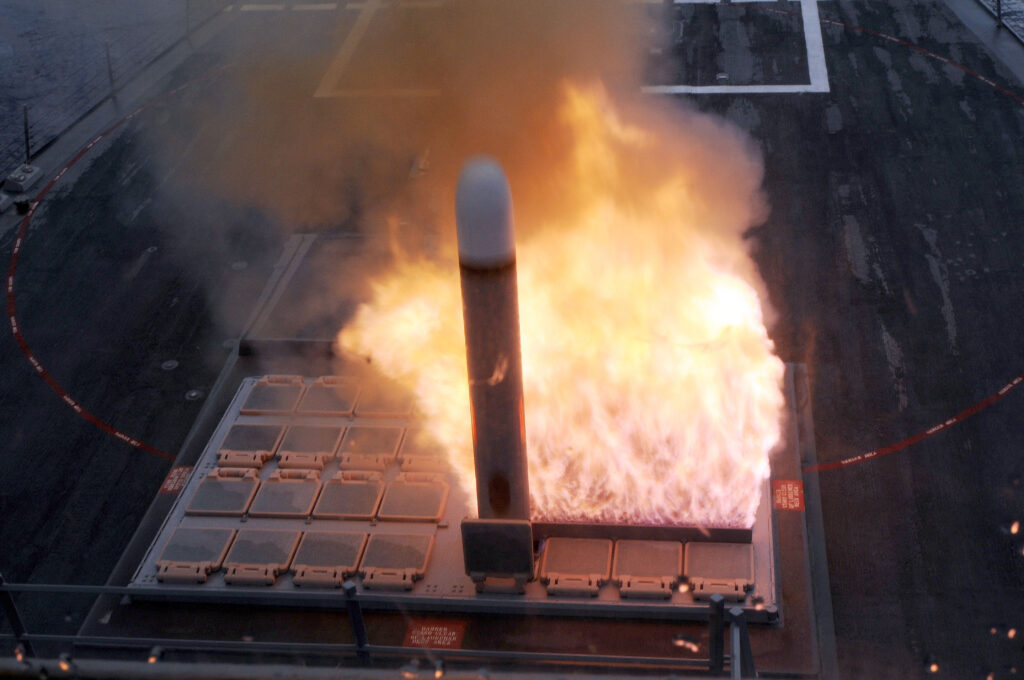
Until now, Ukrainian forces have relied primarily on drones and Western-supplied arms with limited reach, targeting areas like Belgorod and Kursk. Tomahawks would open the door to targeting major Russian population and infrastructure centers — including Moscow, St. Petersburg, Volgograd, Kazan, and even Russia’s Northern Fleet command near Murmansk.
Only the most remote Russian cities, like Novosibirsk and Vladivostok, would remain out of reach.
Kremlin Downplays the Development, But Risks Grow
In response, the Kremlin argued that NATO and the United States already “routinely” share intelligence with Ukraine, downplaying the policy shift. But analysts note that using such intelligence to support strategic strikes — particularly with the recent sale of U.S.-made Extended Range Attack Munitions, an air-launched missile system capable of traveling up to 280 miles — represents a significant escalation.
Guardrails and Escalation Management Likely in Place
Though details remain classified, it’s likely that the new intelligence-sharing arrangement includes internal checks — possibly involving target vetting, rules of engagement, or efforts to avoid civilian infrastructure and limit collateral damage.
Still, the risks are considerable. Analysts warn that intelligence leaks, target misidentification, or vulnerabilities in satellite systems could provoke Russian reprisals. The Kremlin could intensify counterintelligence operations or retaliate through less predictable means, including cyberattacks or other gray-zone tactics against U.S. and NATO interests abroad. (RELATED: Pete Hegseth Issues Stark Warning: ‘Prepare For War’)

A Calculated Risk from a Frustrated White House
The shift in posture signals a growing willingness from the Trump administration to embrace higher-risk support measures in response to Vladimir Putin’s intransigence and the failure of past deterrents. With diplomacy stalled and Ukraine under continued bombardment, Washington appears to be recalibrating its strategy.
The message is clear: if Russia won’t negotiate in good faith, the U.S. is prepared to raise the stakes.
READ NEXT: [WATCH] Top Dem Accidentally Becomes A Comedian