President Donald Trump is preparing to host the leaders of the Democratic Republic of the Congo (DRC) and Rwanda at the White House, a high-stakes push to stop a conflict that has burned for three decades and destabilized central Africa.
According to U.S. and African officials, the two sides are expected to sign a peace deal on Thursday as the administration races to contain a surge in fighting between Congolese forces and the M23 rebel group, which U.S. intelligence says receives support from Rwanda despite its president’s repeated denials.
Trump spokesperson Karoline Leavitt told reporters that Congolese President Felix Tshisekedi and Rwandan President Paul Kagame are expected to finalize what she described as a landmark peace and economic pact — an agreement she said was negotiated with Trump’s involvement.
Al Jazerra continues:
The event comes after the foreign ministers of the two African nations signed a preliminary peace agreement and economic pact at a White House event in June. After months of talks, they met in Qatar in November and signed a framework with the ultimate goal of putting an end to years of fighting.
M23 rebels have fought the DRC government in North Kivu province for over a decade, in a conflict with roots in the 1994 Rwandan genocide. The rebels, among more than 100 groups operating in eastern DRC, are made up primarily of ethnic Tutsi, who were targeted by the Hutu in Rwanda.
A long war with a heavy cost
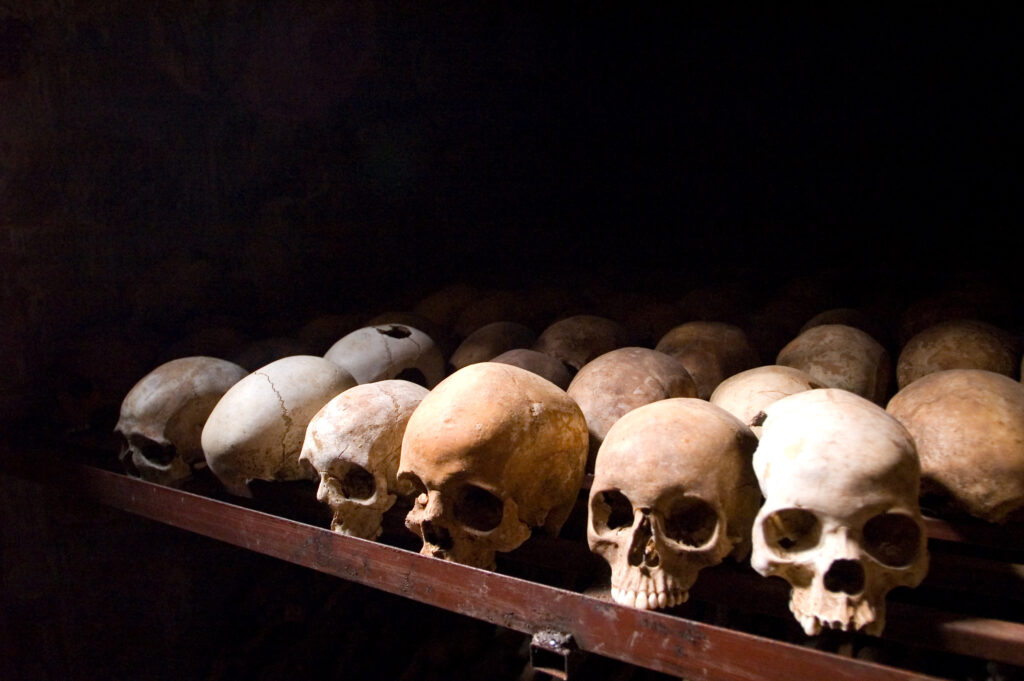
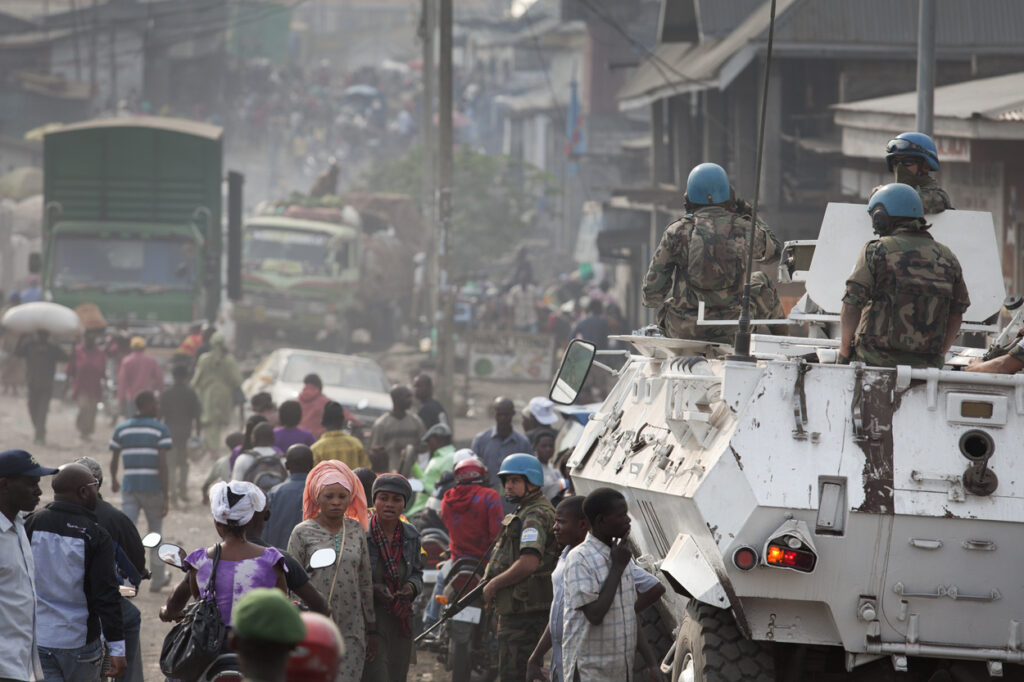
Eastern Congo has been mired in violence for more than 30 years. Millions have been killed or caught up in the fighting, and more than 7 million people are displaced — one of the largest internal displacement crises on the planet. The region’s rich deposits of cobalt, gold, and other minerals only intensify the competition, corruption, and armed groups that keep the conflict alive.
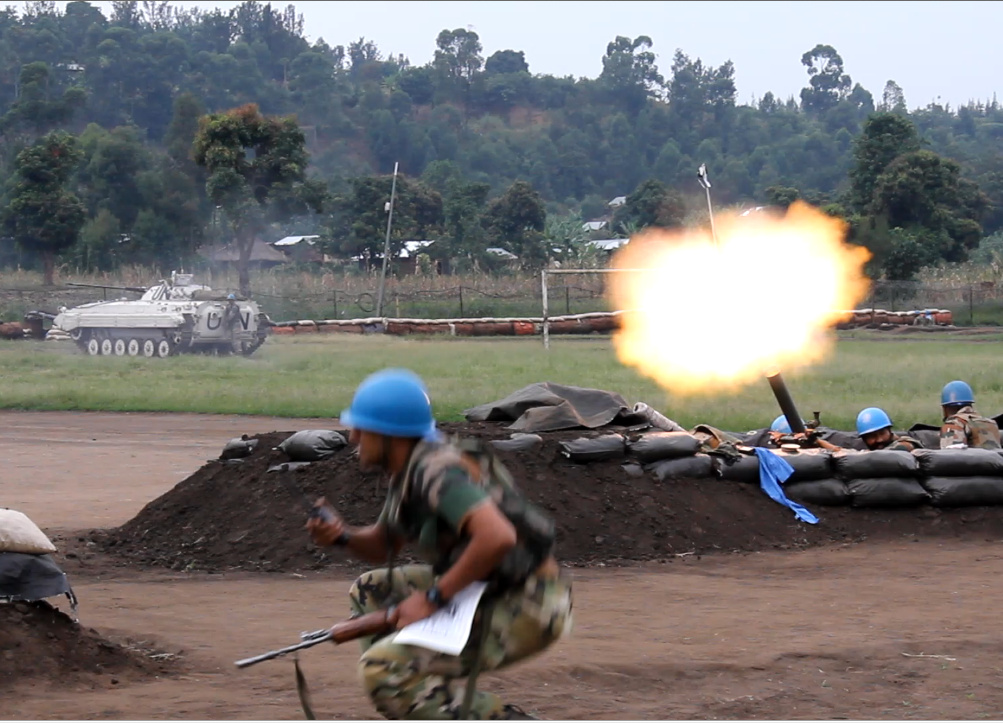
The newest surge in fighting — Congo’s military battling M23 rebels, who are rapidly advancing in North Kivu — has raised alarms that the conflict could spill into neighboring countries. Despite multiple interventions from the United Nations, African Union, and East African Community, none have been able to stop the violence.
Washington thinks it sees an opening. Trump’s advisers say direct, leader-to-leader diplomacy gives the U.S. a unique chance to push both sides toward a lasting political settlement. The president is also seeking unmistakable foreign-policy successes heading into 2026, adding urgency to the effort.
What the White House wants
U.S. officials are preparing for the Dec. 4, 2025, peace and economic meeting with a focused set of goals:
- A verifiable ceasefire in eastern Congo to halt the rapidly expanding conflict.
- An end to Rwandan military and logistical support for M23, consistent with findings from expert reports.
- A political framework in Congo that addresses rebel grievances, provides a pathway for disarmament and reintegration of fighters, and strengthens security in border regions that sit atop some of the world’s most valuable mineral reserves.
If the meeting produces progress, the administration hopes to use it as a stepping-stone toward a broader regional summit, potentially involving Uganda, Burundi, and members of the Southern African Development Community, aimed at stabilizing Africa’s Great Lakes region as a whole.
Questions still in play
Several major uncertainties still hang over the negotiations.
Presidents Tshisekedi and Kagame have spent months exchanging accusations over cross-border attacks, rebel support, and territorial ambitions. Diplomats say it is still unclear whether the two leaders are willing — or politically able — to set aside their differences long enough to commit to a meaningful de-escalation.
Another unresolved question is how far Washington is prepared to go in applying leverage. The administration is weighing whether to link U.S. assistance or targeted sanctions to cooperation from the parties — a move that could either accelerate progress or risk entrenching current positions, depending on how Kigali and Kinshasa respond.
What is clear is that Trump wants a tangible outcome. If he succeeds, it would rank among the most significant diplomatic achievements of his presidency and a rare breakthrough in a conflict that has defied decades of international mediation.
READ NEXT: Satellite Images Reveal Alarming New Activity On Enemy Coast