





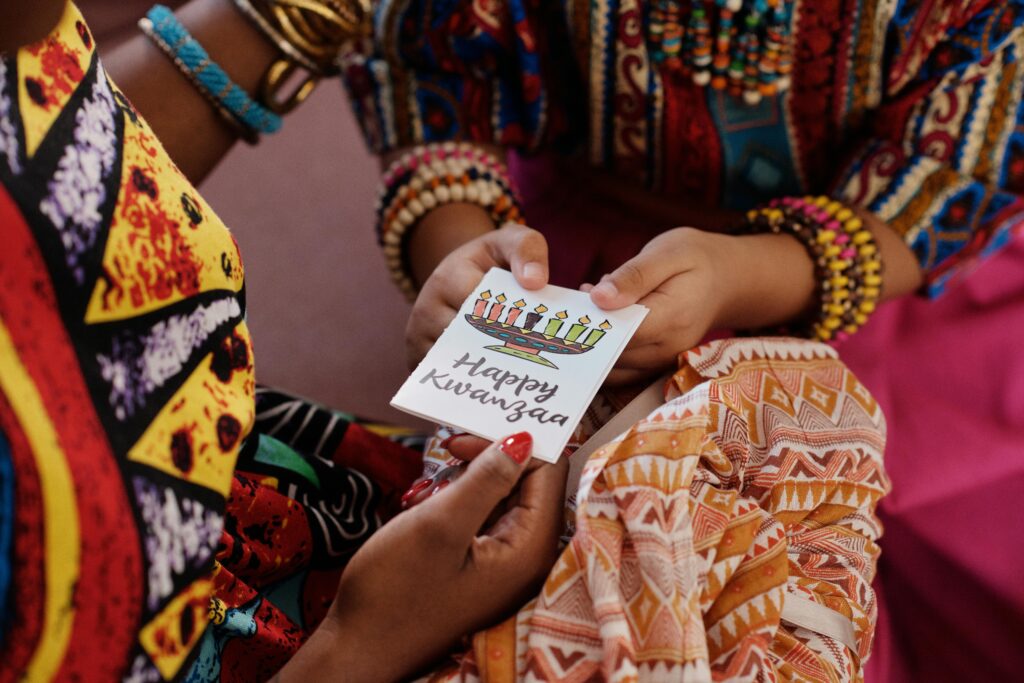
Sesame Street drew criticism and renewed scrutiny online after posting a message celebrating Kwanzaa on December 26, the day after Christmas, featuring actor Michael B. Jordan.
Happy Kwanzaa! Thank you to Mr. Michael B. Jordan for visiting everybody on Sesame Street. It was so special to celebrate Kwanzaa with you! Habari Gani! ❤️ pic.twitter.com/NMchnbPGPN
— Elmo (@elmo) December 26, 2025
“Happy Kwanzaa! Thank you to Mr. Michael B. Jordan for visiting everybody on Sesame Street. It was so special to celebrate Kwanzaa with you! Habari Gani!” the Elmo X account wrote.
The image attached to the post originated from a video clip published in December 2024, in which Jordan appeared alongside Elmo to explain Kwanzaa and its principles. The resurfaced post prompted discussion about both the holiday itself and the decision by a publicly funded children’s program to promote it.
Kwanzaa was invented in 1966 by Ronald McKinley Everett, a Marxist activist and black separatist who later changed his name to Maulana Karenga. Karenga constructed the holiday as an amalgam of African-themed symbols and terminology, despite having no direct historical roots in any specific African tradition. He later became a professor of black studies at California State University.
During the 1960s, Karenga founded a militant black power organization known as US—short for “us” versus “them.” The group was involved in repeated violent confrontations with law enforcement and rival black power organizations. In 1969, members of US were responsible for the killing of two members of the Black Panther Party.
Karenga’s history also includes serious criminal convictions. In the early 1970s, he was sentenced to prison for assault, sexual abuse, and torture committed against women within his own organization. Contemporary reporting by The Los Angeles Times detailed that Karenga placed a hot soldering iron into one victim’s mouth and used a vise to crush another woman’s toe. Following his release, Karenga adopted a more overtly African persona, despite having been born and raised in the United States.
Although Kwanzaa has been promoted annually by media outlets, corporations, and educational institutions for decades, it remains a marginal observance. According to The Atlantic, fewer than 20 percent of Black Americans celebrate the holiday.
The Sesame Street post has renewed debate over why Kwanzaa continues to be promoted by major cultural institutions, particularly those designed for children, despite its modern origins, ideological roots, and the criminal history of its creator.
READ NEXT: Far-Left ‘Squad’ Lawmakers Hold Kwanzaa Celebration In Congress
Sponsored
Turning Point is on the front lines for America First. Help power the grassroots movement to elect real conservative fighters. Donate NOW to save America — one precinct at a time.




















For PBS audience ratings?