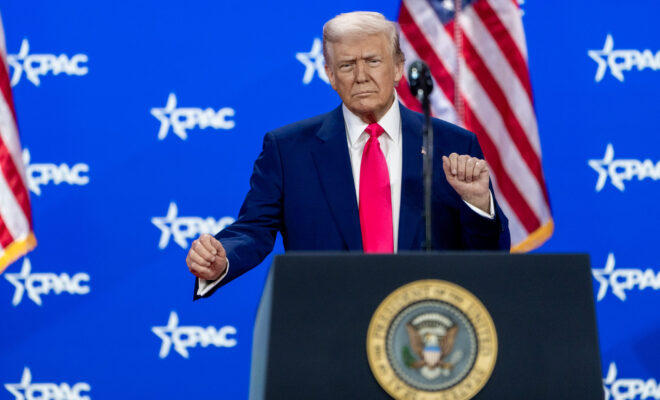




WASHINGTON — President Donald Trump announced Tuesday that the United States and Venezuela have finalized a significant oil export agreement that will direct Venezuelan crude to U.S. refineries, with substantial implications for global markets and geopolitical relations.
The agreement specifies that Venezuela will export between 30 million and 50 million barrels of oil to the United States at market prices, a transaction Trump estimated could be valued at up to $2.8 billion. He stated that the funds generated would serve the mutual interests of both nations.
What the Deal Includes
U.S. officials described the arrangement as a strategy to increase oil supplies to Gulf Coast refineries and stabilize domestic fuel prices. The plan designates Energy Secretary Chris Wright to oversee implementation, with Trump inviting leading U.S. energy companies to participate in managing shipments and future investments.
Chevron, the only remaining U.S. oil major active in Venezuela, currently manages sanctioned oil flows that bypass a broader export embargo imposed by the United States late last year. Due to sanctions preventing Venezuela’s state oil company PDVSA from accessing the global financial system, it remains uncertain how Caracas directly benefits from the sales proceeds.
Officials are also considering auctioning the crude to U.S. buyers and discussing the potential use of the Strategic Petroleum Reserve.
Broader Market and Foreign Policy Reactions
Global oil markets responded quickly, with prices dropping amid expectations of higher supply and easing of tight market conditions. Traders have indicated a change in oil flow patterns, as barrels formerly destined for China may now be redirected to the U.S., a longstanding key purchaser of Venezuelan crude.
Beijing criticized the move, stating in a foreign ministry statement that Venezuela maintains full and permanent sovereignty over its natural resources and that U.S. actions breach international law.
Geopolitical Fallout
The deal comes amid an unprecedented escalation in U.S. policy toward Venezuela. Last weekend’s dramatic U.S. operation led to the capture of Venezuelan President Nicolás Maduro, a move that Venezuelan officials condemned as a kidnapping and an attack on sovereignty. Caracas has criticized U.S. pressure and reaffirmed its control over energy resources.
Long-standing U.S. sanctions and a blockade on Venezuelan oil exports have previously disrupted traditional supply routes, especially to China. As these shipments become uncertain, Chinese refiners are turning to alternatives such as Iranian oil to replace Venezuelan crude.
What’s Next
While the Trump administration claims this as a strategic victory to enhance U.S. energy supplies and create jobs, the path forward remains complex. Venezuela’s oil sector has faced decades of underinvestment, and restoring production will require substantial capital and political stability beyond the current export agreement.
For now, the deal serves as a strong reaffirmation of U.S. influence in a strategic energy region — an area that experts believe will transform regional oil trade and challenge the effectiveness of sanctions policy.
READ NEXT: Trump Locks In Sweeping Immigration Deal With New Country