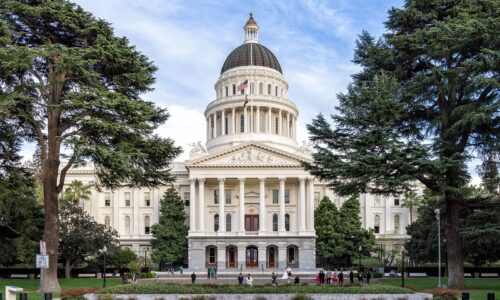


The Virginia General Assembly concluded its 2026 legislative session on March 14 after passing a series of gun control measures, including two closely watched bills that would restrict certain firearms.
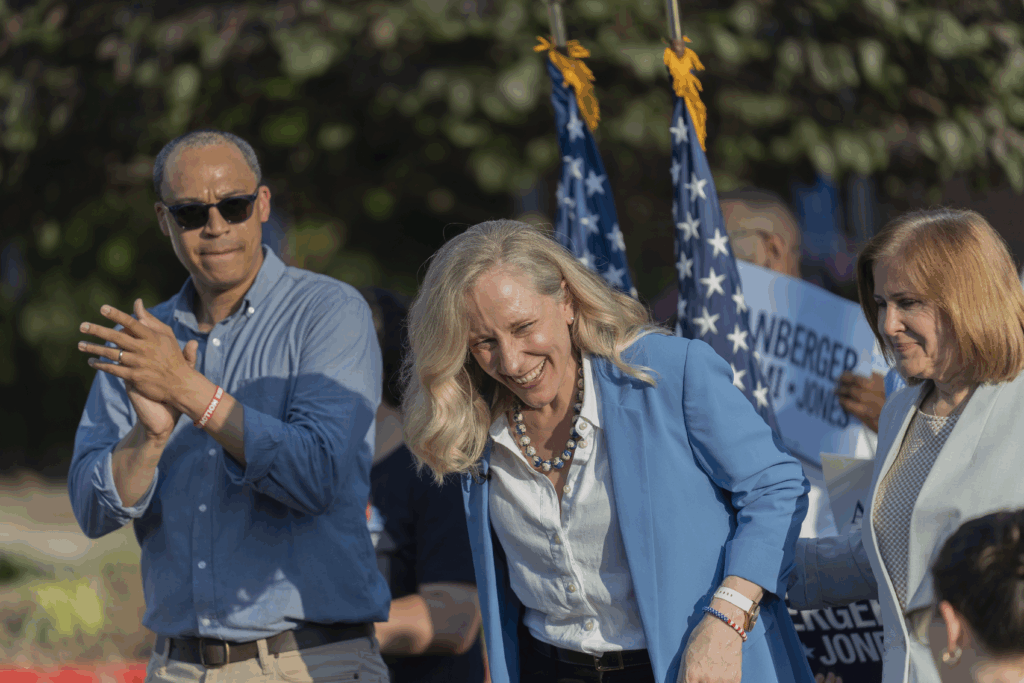
The legislation—SB 749 and HB 217—has been sent to the desk of Abigail Spanberger, a Democrat elected in 2025. Spanberger has indicated she intends to sign the measures into law.
The bills would ban the sale, manufacture, and transfer of certain firearms lawmakers designate as “assault weapons,” along with restrictions on magazines exceeding a specified capacity. Supporters of the legislation insist it will reduce gun violence and limit access to weapons they consider especially dangerous.
Opponents, including gun rights organizations such as Gun Owners of America, strongly dispute that characterization. They argue the legislation targets commonly owned firearms used for lawful purposes such as self-defense, sport shooting, and recreation. Critics also contend that the measures could face constitutional challenges under the New York State Rifle & Pistol Association v. Bruen ruling, which requires firearm regulations to be consistent with the nation’s historical tradition of gun ownership.
The passage of the bills reflects a shift in Virginia’s political landscape. Democrats currently control both chambers of the legislature and the governor’s office, enabling them to advance policies that had previously been blocked. In prior years, former Republican Governor Glenn Youngkin vetoed multiple gun control proposals, including earlier attempts to enact similar restrictions.
Gun control advocates point to other states that have implemented comparable laws as evidence that such measures can be enacted within existing legal frameworks. Opponents, however, argue that banning widely owned firearms raises constitutional concerns and could limit self-defense.
Legal challenges are expected if the legislation is signed into law. Advocacy groups on both sides of the issue have indicated they are prepared to defend their positions in court, setting the stage for a potentially prolonged legal battle.
The debate also reflects broader national divisions over gun policy, including differing interpretations of the Second Amendment of the United States Constitution. Supporters of stricter regulations emphasize public safety concerns, while opponents argue that such measures infringe on constitutional rights and point to real world examples of jurisdictions with particularly strict gun control measures rarely seeing significant improvement on gun violence or violence in general.
As Virginia prepares for the next phase—either implementation or litigation—the outcome could have implications beyond the state, particularly as courts continue to define the limits of firearm regulation in the wake of recent Supreme Court decisions.
READ NEXT: Musk Criticizes Virginia’s Spanberger Support For Transgender Bathroom Policies