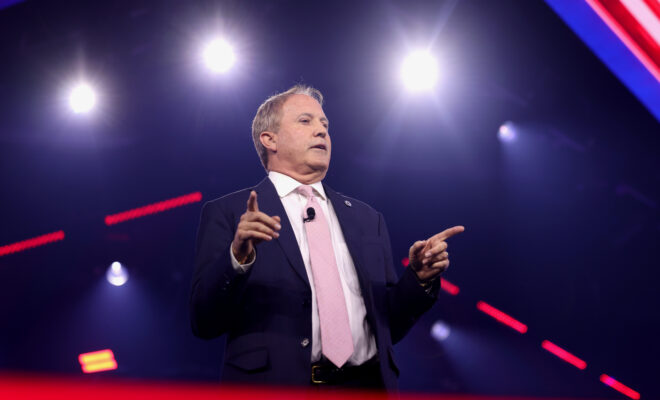



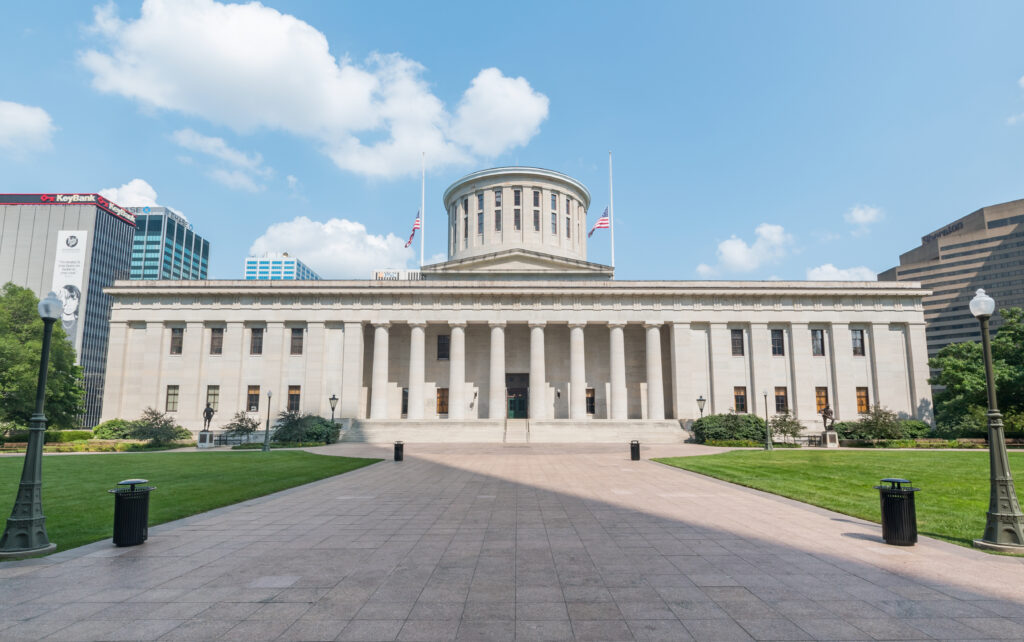
Entrepreneur and former presidential candidate Vivek Ramaswamy secured a commanding win in Ohio’s Republican gubernatorial primary on Tuesday night, defeating challenger Casey Putsch by a wide margin.
According to results reported by Associated Press, Ramaswamy earned approximately 82.2% of the vote, totaling 297,750 ballots cast in his favor. Putsch received 17.8%, or 64,445 votes. The race was officially called shortly after polls closed, reflecting the scale of Ramaswamy’s lead.
Victory Speech and Campaign Message
Addressing supporters following the win, Ramaswamy framed the outcome as the beginning of a broader effort to reshape Ohio’s future. He emphasized themes of economic growth and education describing what he called a “historic opportunity” to elevate the state’s national standing.
Ramaswamy, who gained national attention during his 2024 presidential run, has campaigned on a platform that includes tax cuts, deregulation, and a focus on domestic economic expansion.
Backing From Donald Trump
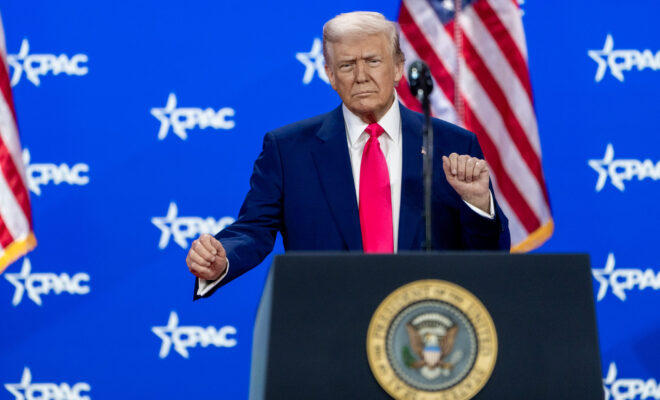
Throughout the campaign, Ramaswamy benefited from strong support from Donald Trump, who issued multiple endorsements praising him as a rising figure within the Republican Party.
Trump’s backing has often played a significant role in GOP primaries, and his support for Ramaswamy was seen as a key factor in consolidating voter support in the race.
Controversy Over H-1B Visa Comments
Some of Ramaswamy’s past remarks—particularly on immigration and culture—have generated backlash from segments of the same political coalition he now seeks to lead.
In late 2024, Ramaswamy argued that the United States risks falling behind globally because of cultural priorities. He wrote that American culture has “venerated mediocrity over excellence” and suggested that greater emphasis should be placed on academics and technical achievement from a young age.
He contrasted activities like math competitions and intensive study with what he described as more leisure-oriented habits, arguing that this cultural imbalance affects competitiveness in fields like engineering. His comments—framed as a call for cultural change—quickly drew criticism, including from conservatives who viewed them as dismissive of American workers and values.
The debate highlighted a broader divide within the Republican coalition between pro-business voices who support skilled immigration and more restrictionist voters who prioritize domestic labor and cultural identity.
AmericaFest Remarks and Identity Debate
Ramaswamy also stirred debate in 2025 during remarks at AmericaFest, an annual gathering hosted by Turning Point USA.
At the event, he rejected the idea that ancestry or lineage is at all relevant to the American identity, instead arguing that national allegiance is rooted in shared ideals and beliefs. He rejected the concept of “heritage Americans,” insisting that citizenship and values alone defined belonging.
While that message resonated with some conservatives, it also drew criticism from others on the right who place greater emphasis on history and cultural continuity as central to national identity.
Balancing a Broad Coalition
These episodes illustrate the balancing act facing Ramaswamy as he transitions from insurgent candidate to statewide nominee. His policy positions—particularly on immigration, culture, and meritocracy—have appealed to business-oriented conservatives and younger voters, but have also, at times, clashed with more populist or nativist elements of the GOP base.
Despite those tensions, his primary victory suggests that, at least in Ohio, his message has found broad support among Republican voters.
General Election Matchup Ahead
With the primary concluded, Ramaswamy will move on to face Democratic nominee Amy Acton in the general election. Acton previously served as Ohio’s state health director under Governor Mike DeWine and gained public visibility during the COVID-19 pandemic.
The upcoming race is expected to draw national attention, as Ohio remains a politically significant state and a frequent battleground
Key Issues Going Forward
Ramaswamy has proposed eliminating the state income tax and expanding economic development initiatives. At the same time, some observers have pointed to his lack of prior experience in elected office as a potential point of contention in the general election.
As the campaign shifts toward November, both candidates are expected to outline their visions for Ohio’s economic future and broader governance strategies in what could become a closely watched gubernatorial contest.
READ NEXT: Vivek Ramaswamy Says He Quit Social Media After Online Attacks