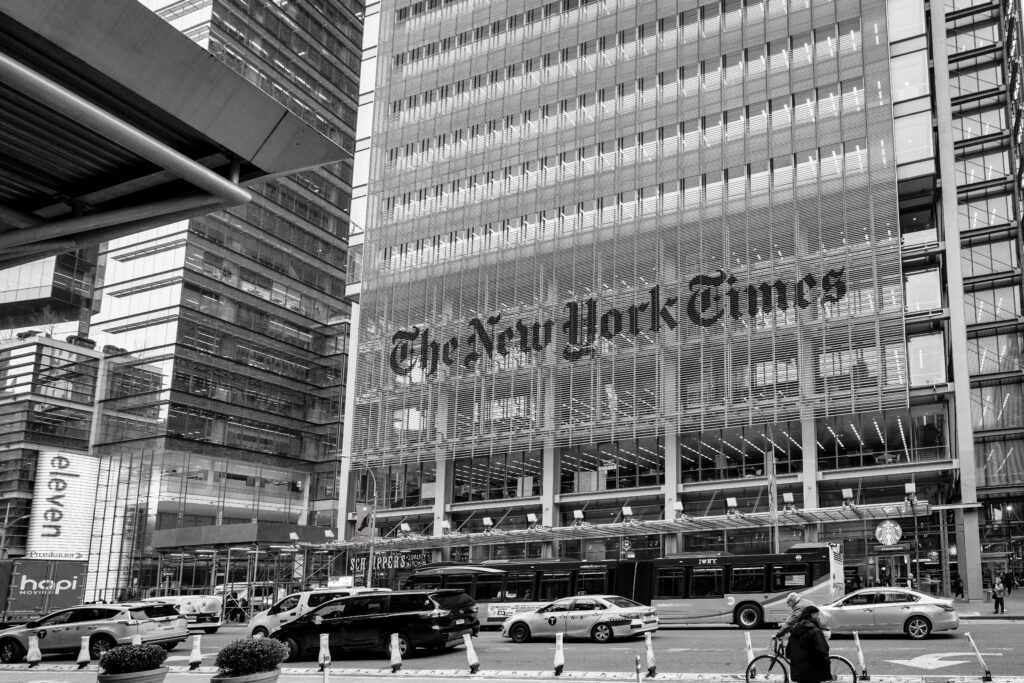
The Justice Department on Thursday withdrew subpoenas that sought to compel three New York Times reporters to reveal confidential sources after a federal judge sharply criticized government lawyers for failing to follow legal protections afforded to journalists. The move marks the latest setback in the Trump administration’s aggressive campaign to investigate leaks involving national security reporting.
The subpoenas targeted reporters Julian E. Barnes, Eric Lipton, and Eric Schmitt over their reporting on security concerns involving President Donald Trump’s Qatari-gifted Air Force One aircraft. Prosecutors had sought both grand jury testimony and, separately, phone records connected to the journalists and some of their relatives.
Judge says government turned the rules “on its head”
During a hearing in federal court in Manhattan, U.S. District Judge Arun Subramanian repeatedly questioned Justice Department attorneys about whether they had exhausted other investigative options before subpoenaing journalists.
Federal regulations require prosecutors to treat subpoenas directed at reporters as a last resort because of First Amendment concerns and the potential chilling effect on newsgathering.
“Subpoenas are the last step, not the first step,” Subramanian said, adding that the government’s handling of the matter had effectively turned those protections “on its head.” He indicated he would have quashed the subpoenas had the government not agreed to withdraw them voluntarily.
The judge also suggested that if the dispute had arisen in a civil case, he would have considered sanctions over the government’s conduct.
Justice Department acknowledges procedural mistakes
Government attorneys ultimately agreed to withdraw the subpoenas after conceding they had made procedural errors while pursuing the leak investigation.
According to the Wall Street Journal, Justice Department officials attributed the mistakes to the speed with which the investigation was conducted.
The administration has maintained that its investigation was aimed at identifying government officials responsible for leaking classified information — not journalists themselves. Justice Department lawyers had argued that the subpoenas were necessary to identify the source of information published by the Times.
Investigation stemmed from Air Force One reporting
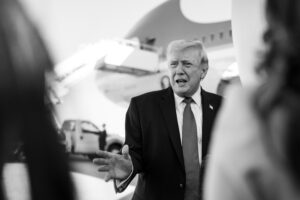
The dispute arose after the Times published reports citing anonymous sources who said the new Air Force One — gifted by Qatar and later retrofitted by the U.S. government — lacked some of the defensive capabilities found on the older presidential aircraft. President Trump publicly disputed those reports.
The newspaper challenged the subpoenas, arguing they violated constitutional protections for a free press and ignored longstanding Justice Department policies governing investigations involving journalists. The Times also objected to separate subpoenas seeking phone records from some reporters’ family members, including one reporter’s mother and the spouses of two journalists.
Latest retreat in broader leak crackdown
The withdrawal is the second time in recent weeks that the Justice Department has abandoned subpoenas directed at reporters after legal challenges.
Last month, prosecutors also withdrew subpoenas issued to journalists at The Washington Post and The Wall Street Journal who had been targeted in unrelated leak investigations.
The reversal represents a significant legal setback for the administration’s effort to pursue government leaks through compulsory testimony from reporters, while highlighting the continuing tension between leak investigations and longstanding First Amendment protections for the press.
READ NEXT: Trump DOJ Reportedly Investigating GOP Rep. Cory Mills