




Trump’s executive order on flag-burning has been met with a torrent of outrage, much of it misplaced. Both Democrats and Republicans rushed to denounce it as if it were a sweeping ban on burning the American flag. But those who reacted this way almost certainly did not read the text or, if they did, they failed to grasp what it actually says and what it actually does. The order does not outlaw flag burning as a form of protest. It does not overturn Texas v. Johnson or United States v. Eichman, the two landmark Supreme Court cases that recognized flag desecration as protected speech. Instead, it targets only those instances where flag-burning crosses the line into incitement or criminal conduct. That distinction matters.
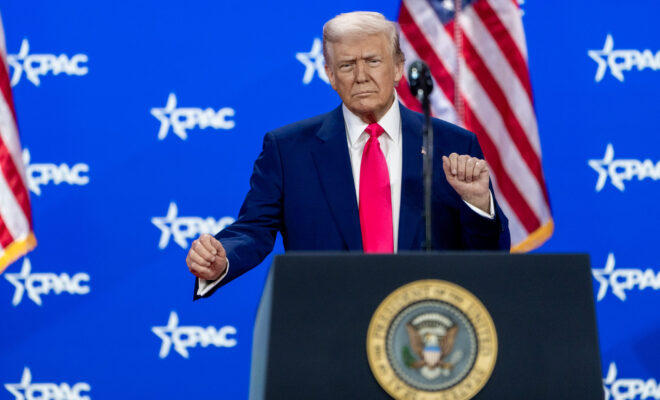
🚨 BREAKING: President Trump just signed an executive order directing the DOJ to pursue ONE YEAR IN PRISON for those who burn American flags in the street
— Nick Sortor (@nicksortor) August 25, 2025
"You get one year in jail, NO early exits, no nothing. One year in jail if you burn a flag. What it does is incite to riot!" pic.twitter.com/BpcYg2HvCt
The order directs the Attorney General to prosecute acts of flag desecration to the maximum extent permitted by the Constitution. That qualification is everything. It acknowledges, rather than denies, the constitutional protection for expressive flag burning. But it also insists that when flag desecration functions as incitement to imminent lawless action, or when it accompanies acts like arson, rioting, or assault, prosecutors should treat it as such. The executive order stands firmly within the exceptions that the Supreme Court itself has long recognized. In Brandenburg v. Ohio, the Court drew a sharp line: advocacy, even offensive advocacy, is protected, but incitement to imminent violence is not. In Chaplinsky v. New Hampshire, it recognized “fighting words” as unprotected. Trump’s order does not purport to create new law. It simply instructs officials to apply these existing doctrines in cases where the American flag is used as a weapon to provoke violence.
Tim Walz is a deeply disturbed individual.
— Rapid Response 47 (@RapidResponse47) August 25, 2025
Here he is coming unglued over a "stupid frickin' red hat" and suggesting people burn flags with President Trump's photo on them. pic.twitter.com/QwMryOCc1c
This is why complaints that the EO represents an authoritarian attack on free speech are misplaced. Burning your own flag in your backyard, or during a peaceful protest, remains protected expression. No one is going to jail for that. The only conduct targeted is burning a flag in circumstances designed to provoke lawless action, for example at a rally where the clear intent is to inflame a mob into violence. This is the narrow terrain where the Court has said the First Amendment does not apply, and that is the terrain Trump’s order aims to police.
Why then the outrage? Because critics and even some supporters responded to the headlines rather than the text. The Guardian thundered about Trump seeking to “circumvent” the Court’s 1989 ruling. The Associated Press framed it as a direct “move to ban flag burning.” Civil liberties groups condemned it as if it criminalized all symbolic protest. Meanwhile, some conservatives, like Jesse Kelly, blasted it as unconstitutional overreach. Few acknowledged the repeated qualifiers in the order itself: “to the maximum extent permitted by the Constitution,” “consistent with the First Amendment,” and so on. Those who bothered to read carefully saw that the order is narrow, perhaps even toothless. Yet in politics, perception matters as much as precision. And here lies the genius of the move.
Trump understands how to dominate the narrative. By issuing an order that looks like a sweeping patriotic gesture but is actually hemmed in by constitutional constraints, he triggers predictable reactions from Democrats and their willing accomplices in the dive-by media. They expend ink, airtime, and eventually legal briefs attacking him for something the order does not do. The spectacle of Democrats going to court to defend the right to burn the American flag is political gold for Trump. Polling consistently shows that most Americans find flag burning unacceptable. The more Democrats appear aligned with those who desecrate the flag, the more Trump is positioned as the defender of national symbols. And the more time Democrats spend in court over this, the less bandwidth they have to oppose his core agenda on immigration, trade, the economy, and judges.
This is not new. Trump has long mastered the art of distraction. He once floated the idea of buying Greenland. He talked about Canada becoming the 51st state. Each time, his opponents took the bait, ridiculed the notion, and filled the news cycle with outrage. Meanwhile, he quietly advanced other priorities. The flag-burning EO fits that pattern perfectly. It sparks a fight Democrats cannot resist, a fight that paints them in the worst possible light, while allowing Trump to move forward elsewhere with less scrutiny. For his base, the optics are equally powerful: here is a president who will stand up for the flag, even if elites call him a tyrant for it.
The outrage is doubly ironic given the actual state of American law. Today, in many jurisdictions, you can be charged with a hate crime for burning a BLM flag, a Pride flag, or an LGBTQ flag, yet burning the Stars and Stripes is treated as sacrosanct political expression. This inversion of values, where the national flag is uniquely unprotected, is what should truly shock Americans. Trump’s order highlights this hypocrisy. If the law can criminalize flag desecration in one context, why not when it involves the American flag? The EO is a way of pressing that question without directly outlawing expressive conduct. It reminds Americans that the law already punishes some forms of symbolic desecration, but not the one most citizens care about.
Whether the EO survives legal scrutiny is beside the point. It probably will not. But in politics, as in chess, sometimes the point of a move is not the piece taken but the distraction created. The flag-burning order forces Democrats and the media to fight a battle on unfavorable terrain. They must defend an unpopular practice, spend resources doing so, and alienate ordinary voters in the process. Meanwhile, Trump reinforces his image as the patriot-in-chief. This is a win-win for him, even if the courts strike the order down.
Trump’s opponents would do well to slow down and read before reacting. The EO is not what they think it is. But in their haste to condemn, they play directly into his strategy. They burn time, money, and credibility, all while Trump advances his real agenda. This is politics at its most effective. Those who care about substance should recognize that the outrage is misplaced, the legal effect minimal, but the political impact profound.
If you enjoy my work, please consider subscribing: https://x.com/amuse.
The opinions expressed in this article are those of the author and do not necessarily reflect the positions of American Liberty News.
READ NEXT: Trump Judge Drops Bombshell On President’s Unusual Decision
















Add chem into flag that when lit flag bursts into Flame
Tampon Tim needs to go ahead and threaten President Trump so Timmy will be locked up. This guy is a refugee from an insane asylum…..just the kind of people that Demonocrats coddle.