




As the Ukraine War drags into its 1,041st day, the toll of devastation and strategic folly has reached a grim crescendo. With the Biden-Harris regime in its twilight, Joe Biden has opted for a perilous finale: supplying Ukraine with U.S.-made long-range ballistic missiles capable of striking deep into Russian territory. This brazen gamble—recklessly crossing red lines delineated by Vladimir Putin—risks turning a brutal regional conflict into a global inferno. Yet, amidst Biden’s brinkmanship, a new opportunity for peace looms on the horizon as President-elect Donald Trump prepares to assume office.
Biden’s escalatory gambit defies prudence and historical precedent, undermining fragile openings for diplomacy. Meanwhile, Trump’s proposed peace framework offers a stark contrast: pragmatic realism over reckless idealism. The following explores Biden’s dangerous missteps, the tenuous position Ukraine faces and Trump’s emerging role as a potential peacemaker.
The Escalation Gamble
Biden’s decision to authorize missiles capable of striking Russian soil is not merely provocative; it is catastrophic. Internationally, this move has drawn sharp criticism from neutral states and allies alike. European leaders, wary of escalating tensions, have urged for restraint, while countries such as China and India have reiterated calls for a diplomatic resolution to the conflict. Even within NATO, murmurs of dissent highlight concerns over the potential for uncontrolled escalation, with several member states advocating for a more cautious approach to support Ukraine. By enabling Ukraine to expand the conflict’s geography, Biden risks inviting a nuclear retaliation—a scenario Putin has explicitly warned against. This brinkmanship echoes the worst miscalculations of history, from Napoleon’s disastrous march to Moscow to Wilson’s ill-fated entanglements in post-World War I Europe. As Ukraine struggles under the weight of Russian firepower, Biden’s strategy reeks of desperation rather than vision.
The Cuban Missile Crisis offers a stark reminder of how restraint—not escalation—averts disaster. John F. Kennedy’s deft diplomacy averted nuclear war, a lesson Biden seems eager to ignore. Unlike the Cuban standoff, where mutual deterrence prevailed, Biden’s gambit underestimates the existential stakes Putin attaches to Ukraine’s NATO aspirations and territorial integrity. The result is a precarious game of chicken, where miscalculation could spell catastrophe.
Ukraine on the Brink
For Ukrainian President Volodymyr Zelensky, Biden’s actions present a Faustian bargain. As Ukraine’s economy falters, its birthrate plummets and its population shrinks under wartime conditions, Zelensky faces a grim reality: without NATO’s full military commitment, victory over Russia is unattainable. Yet Biden’s missile diplomacy only deepens Ukraine’s dependency while exacerbating its vulnerabilities.
Ukraine’s plight mirrors that of the U.S.-backed Afghan government, which crumbled overnight following the American withdrawal. Zelensky’s government risks a similar fate should Biden’s reckless strategy persist. Biden’s weapon shipments may extend the conflict, but they cannot alter its trajectory. Like all wars of attrition, Ukraine’s survival depends not on victory but on diplomacy—a reality that Biden’s policies actively undermine.
Biden’s Cynical Calculations
Biden’s escalation is as much about sabotaging Trump as it is about supporting Ukraine. Both Putin and Zelensky have signaled tentative openness to Trump’s peace initiative, a tacit acknowledgment of his unique ability to bring adversaries to the negotiating table. From the Abraham Accords to his summits with Kim Jong Un, Trump has demonstrated a capacity for defusing seemingly intractable conflicts.
The Biden administration’s actions undermine these efforts, reflecting a broader inconsistency in their approach. After years of castigating Trump’s foreign policy as reckless, Biden has embraced a brinkmanship that risks nuclear annihilation. The Democrats’ self-righteous narratives about “defending democracy” collapse under scrutiny, revealing a cynical strategy aimed at denying Trump a diplomatic victory—even at the expense of global stability.
Status of Peace Proposals
As Trump’s inauguration nears, the state of peace proposals reflects a tangled web of strategic priorities and competing narratives:
- Russia: Vladimir Putin insists that Ukraine permanently renounce NATO membership, cede control of the Donetsk, Luhansk, Kherson and Zaporizhzhia regions, and accept demilitarization. These terms reveal Russia’s intent to secure its geopolitical sphere of influence.
- Ukraine: Volodymyr Zelensky has shown openness to a ceasefire and postponed NATO membership but remains firm on rejecting territorial concessions. He has also suggested the possibility of European peacekeepers to ensure security during a transitional period.
- Slovakia: Under Robert Fico’s leadership, Slovakia has offered to mediate peace talks. While this initiative positions Slovakia as a neutral venue, Fico’s sympathetic stance toward Russia complicates its credibility as an impartial mediator.
- Trump Administration: President-elect Trump has appointed longtime adviser Keith Kellogg as Special Envoy for Ukraine and Russia, signaling a commitment to direct diplomacy. Trump’s plan involves an immediate ceasefire, frozen battle lines, a 20-year delay on NATO membership consideration for Ukraine and negotiations addressing territorial disputes, security guarantees and economic reconstruction. This 20-year delay serves to alleviate Russian concerns over NATO encroachment while granting Ukraine time to stabilize its political and economic landscape without the immediate pressures of military alignment. It also provides a structured timeline that could foster gradual normalization of relations between Ukraine and its neighbors, reducing the likelihood of future conflict.
Trump’s Peace Plan
Trump’s approach to the Ukraine War offers a refreshing alternative. Historical precedents underscore the efficacy of such pragmatic diplomacy. The Camp David Accords, for instance, demonstrated how seemingly irreconcilable parties could achieve peace through U.S.-led negotiations. Similarly, Trump’s Abraham Accords showcased his administration’s ability to defuse tensions in volatile regions, forging unprecedented agreements between Israel and Arab nations. By leveraging these successes, Trump’s framework for Ukraine seeks to apply the same principles of realistic compromise and mutual security assurances. His plan begins with an immediate ceasefire, freezing battle lines and halting further bloodshed. Ukraine would acknowledge Russia’s 2014 annexation of Crimea—a concession to reality—while Russia withdraws from other occupied territories. The Donbas would gain autonomy under a framework similar to Hong Kong’s status within China, respecting its ethnic Russian identity while preserving Ukrainian sovereignty.
Trump’s strategy emphasizes Ukraine’s neutrality, effectively ending or at least delaying its NATO ambitions indefinately—a key Russian demand. In exchange, the U.S. would spearhead Ukraine’s reconstruction, ensuring the country’s economic and political stability. By addressing Russia’s security concerns and Ukraine’s sovereignty, Trump’s plan offers a pragmatic path forward, avoiding the pitfalls of endless escalation.
Responses to Trump’s Vision
Unsurprisingly, Trump’s peace initiative has drawn varied reactions. Putin’s administration has dismissed partial measures, insisting on guarantees of Ukraine’s permanent neutrality. Zelensky, meanwhile, has cautiously welcomed the prospect of talks but remains wary of territorial concessions. European leaders, divided between hawks and pragmatists, watch anxiously as the U.S. prepares for a dramatic foreign policy shift under Trump’s leadership.
Despite these challenges, Trump’s plan aligns with the hard realities of the conflict. Both Russia and Ukraine face diminishing returns from continued fighting. Even a flawed peace offers a respite from the carnage, providing an opportunity for economic recovery and regional stability.
A War of Narratives
The Ukraine War has become a theater for competing narratives. Biden’s team casts their actions as a moral crusade, but the reality is one of prolonged suffering and squandered opportunities. Trump’s critics paint him as naive, yet his realism offers the best hope for de-escalation.
The Biden narrative—that endless military aid will secure Ukrainian democracy—masks a darker agenda. For the Democrats, Ukraine has become a pawn in their domestic political chessboard, a means to undermine Trump at all costs. This cynical calculus exposes the hollowness of their rhetoric, revealing policies that perpetuate conflict rather than resolve it.
A Return to Sanity
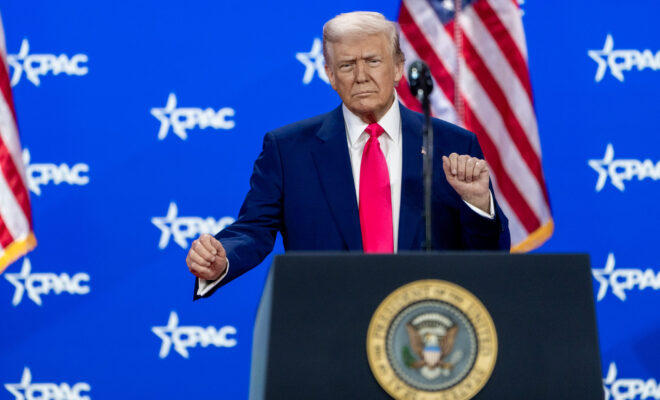
As Trump prepares to take office, the stakes could not be higher. His administration’s immediate focus will be on brokering a peace deal that halts the bloodshed and restores balance. Trump has selected longtime adviser Keith Kellogg as Special Envoy for Ukraine and Russia to lead the negotiations, signaling a commitment to direct and strategic diplomacy. Kellogg, a retired lieutenant general, brings decades of experience as National Security Advisor to Vice President Mike Pence. He played a pivotal role in shaping U.S. defense strategies during Trump’s first term, including strengthening NATO’s readiness and addressing Eastern European security challenges. His expertise in military operations, crisis management and Eastern European geopolitics uniquely positions him to mediate these high-stakes negotiations effectively.
The enduring lesson of the Ukraine War is that peace cannot be achieved through provocation. Trump’s proposed solution—grounded in realism and an understanding of geopolitical dynamics—offers the only viable path forward. By embracing diplomacy over destruction, Trump has the opportunity to avert catastrophe and solidify his legacy as a peacemaker.
Anything less risks turning a regional conflict into a global conflagration—a tragedy history would neither forgive nor forget.
Sponsored by the John Milton Freedom Foundation, a nonprofit dedicated to helping independent journalists overcome formidable challenges in today’s media landscape and bring crucial stories to you.
READ NEXT: Drama Unfolds! Top Official To Drop Nuke Just Before Being Cut By New Trump Team!
















How do you know it is “Joe Biden” doing this?
Unless Putin curtails his invasion of the Ukraine and withdraws all his forces from the Ukraine to include the Crimea, Trump has gained nothing more than Mister “Peace in Our Time” Chamberlain did prior to WWII, by “kicking the can of WAR down the road!