

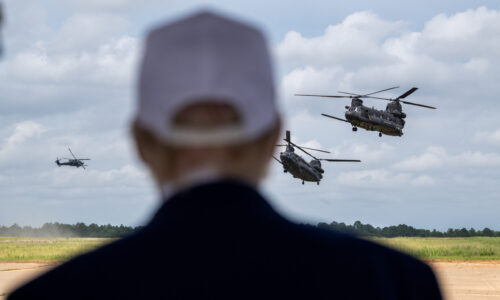



Especially our aircraft, but ships too. As I noted earlier, even as the U.S. builds up its forces in the southern Caribbean, Russia hasn’t shied away from arming Venezuela’s corrupt, illegitimate socialist regime run by Nicolás Maduro.
James Story, the U.S. ambassador to Venezuela from 2018 to 2023, says Venezuela’s military is plagued with problems, including poorly maintained weaponry, lack of training, and desertions.
While his armed forces are no real match for the United States military, some of the advanced Russian and Iranian weapons in Maduro’s hands could pose a viable threat to them as President Trump considers strikes on land against cartel and possibly regime targets.
In my prior piece, I explained how the Kremlin has been sending privately operated military transport planes to Caracas and other communist destinations in Latin America, like Havana and Managua.
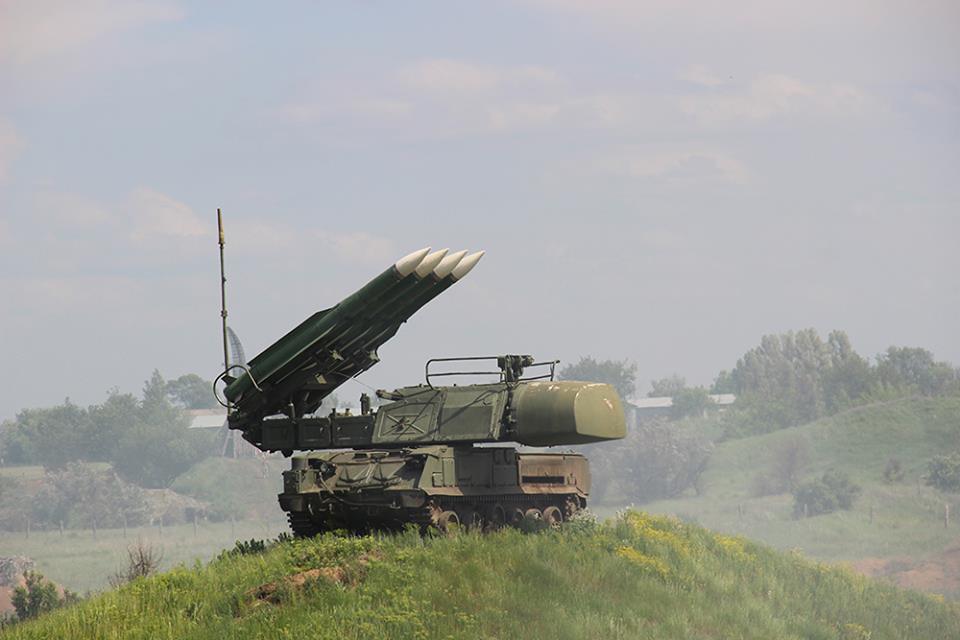
Among the most recent arms deliveries, one Russian official said they recently delivered Pantsir-S1 and Buk-M2E mobile surface-to-air missile systems to Caracas.
They may have been part of the 50 tons of unknown military equipment reportedly delivered by an Il-76 transport on October 26.
Alexei Zhuravlyov, the deputy chairman of Russia’s parliamentary defense committee, also warned that “the Americans may be in for some surprises” as he hinted at more weapons transfers to Venezuela.
“I see no obstacles to supplying a friendly country with new developments such as the Oreshnik or, let’s say, the well-proven Kalibr [multirole attack cruise] missiles.” The Oreshnik may pose the most serious offensive threat to U.S. forces.
With a reported maximum range of 3,400 miles, Oreshnik missiles in Venezuela could theoretically threaten much of the continental U.S. as well as Puerto Rico, which is being used as a staging base for the Caribbean operations.
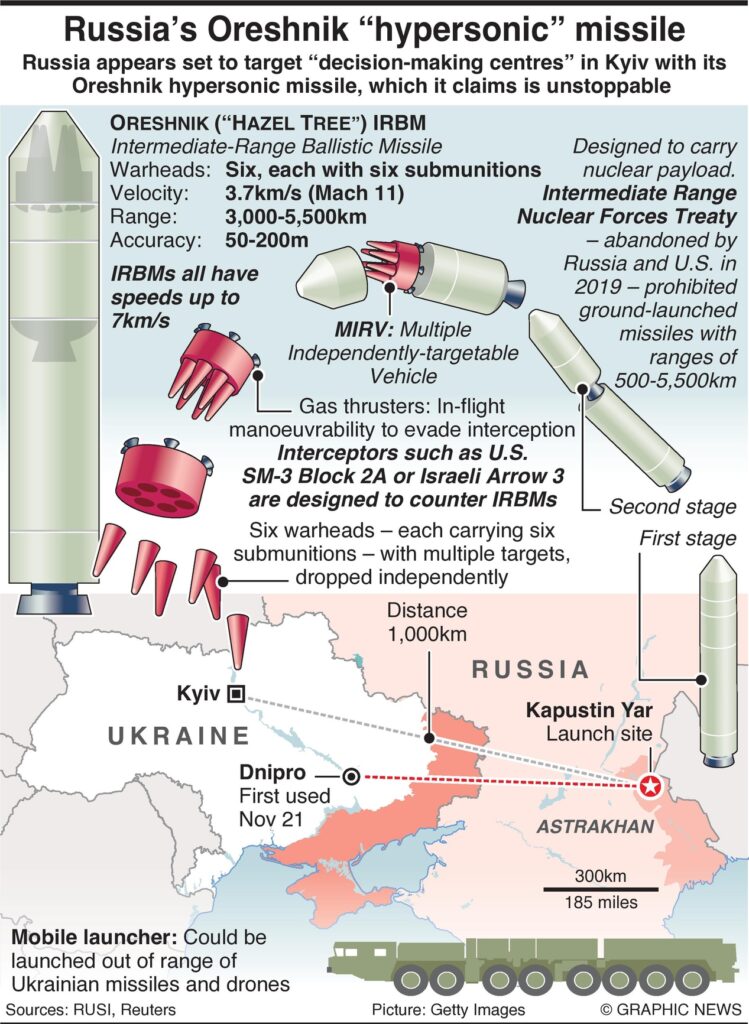
The hypersonic, intermediate range ballistic missile can carry conventional or nuclear warheads.
The Kalibr, with a range of between 930 and 1,550 miles, could threaten the southern continental U.S., as well as U.S. military facilities and warships throughout the Caribbean.
Meanwhile, Venezuela has a long wish list of new weapons it wants from Russia, Iran, or China, including “passive detection equipment,” “GPS scramblers,” and “almost certainly drones with… 600-mile range.”
Iranian cruise missiles could be used to target U.S. warships off the coast.
Hopefully, we will learn more about these recent deliveries and the Maduro wish list, but we do know about many of the weapons Caracas has already received that could be used against U.S. forces.
Modern Russian weapons given to Maduro range from AK assault rifles and ammunition (In July 2025, a Russian-backed factory to produce Kalashnikov munitions was opened in Venezuela), to advanced shoulder-launched surface-to-air Man-Portable (MANPAD) missiles, to the mobile SAM missiles noted above.
They also include sophisticated fighters, like the Sukhoi Su-30MK2s, and potentially powerful cruise missiles and hypersonic ballistic missiles.
While the country’s navy and army are almost useless, its air Force is a bit better.
Meanwhile, Venezuela has built up its anti-air and potentially anti-ship capabilities. Russian MANPADs, especially, are reportedly now ubiquitous in Venezuela.
Maduro has said his forces have at least 5,000 Russian-made Igla-S man-portable surface-to-air missiles across the country, and there is evidence to support that claim. The claim revives debate over regional airspace risks and the growing density of Venezuela’s layered air defense network.
The Igla-S’ (SA-24) are low altitude weapons similar to U.S. Stinger missiles. They can shoot down small aerial targets such as cruise missiles and drones, as well as helicopters and low-flying planes.
As reported by CNN, large numbers of modern MANPADS, added to other layered air defenses can reshape the air risk calculus for surveillance, rotary-wing, and low-altitude missions near Venezuelan airspace.
Militarily, they will push U.S. air missions to higher altitudes, using longer standoff-range munitions and more extensive suppression and deception packages. Recent air-defense assessments caution that Venezuela’s mobile, varied Short-Range Air Defense (SHORAD) network would have to be taken seriously in any contingency.
The other layers in this network include the capable new Pantsir-S1 and Buk-M2E systems that augment Venezuela’s existing air defense network, which already includes battalions of Russian-made S-300VM systems. The S-300s have significantly strengthened the country’s ability to protect important installations from air attacks.
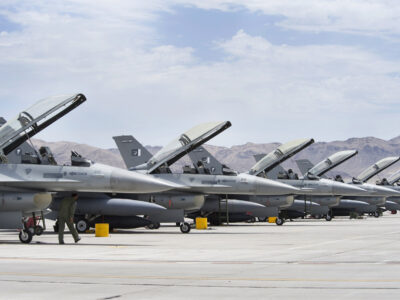
Though Venezuela has older U.S.-made F-16s, two were recently used to buzz U.S. warships in the Caribbean, the 20 or so Russian-made Su-30MK2 fighters form the “backbone” of the Venezuelan Air Force.
On paper, these jets give Venezuela one of Latin America’s most capable combat aircraft fleets, equipped with long-range air-to-air missiles.
In addition to short and medium range air-to-air missiles, Su-30MK2 fighters on patrol over the Caribbean have recently been seen armed with Mach-3 sea skimming Kh-31 Kripton anti-ship missiles.
But no one knows for certain how many of the Sukhois are operational.
Maduro has recently sought Russian assistance for the maintenance and overhaul of its Su-30 fleet, and the addition of more jets. Venezuela has also acquired Russian helicopters.
What real damage these weapons can do to U.S. forces is a big question. At minimum, they force U.S. planners to adjust tactics to avoid unnecessarily endangering our sailors, Marines, and airmen. At worst, we may take a significant hit or maybe more.
The opinions expressed in this article are those of the author and do not necessarily reflect the positions of American Liberty News.
READ NEXT: Federal Judge Intervenes, Orders Trump To Immediately End Controversy
Sponsored
Help save our schools! The 1776 Project PAC was designed from the ground up to raise funds for local school board races across the country, but the radical Left keeps winning. Enough is enough. [Click HERE to help retake our schools]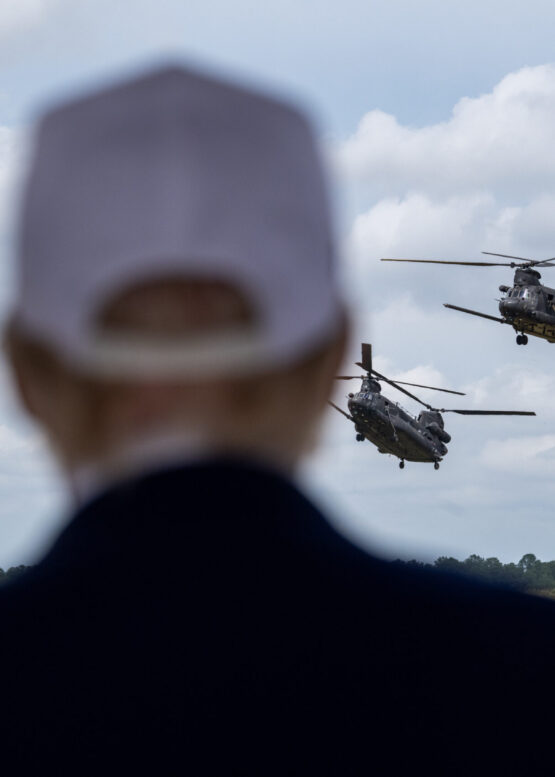

















Don’t believe everything you hear from a Communist or a Demonocrat. Lying is their modus operandi.
So why is the US wanting to go to war with Venezuela?
Not defending them, but begins to sound like the US is just looking for folks to start wars with.
BTW, I’m a combat wounded veteran of another country the US invaded, Viet Nam.
Not anti-war, but anti war for the sake of war or enriching the military-industrial-intelligence complex.