A veteran Drug Enforcement Administration agent is accusing federal prosecutors and DEA leadership of allowing massive quantities of fentanyl to reach New Mexico communities in pursuit of larger drug busts — and then sidelining him after he sounded the alarm.
DEA Special Agent David Howell, a 14-year veteran of the agency, says federal authorities knowingly allowed shipments of fentanyl pills to move through New Mexico between 2023 and 2025 rather than immediately seizing them. According to records reviewed by Just The News, agents monitored drug transactions involving tens of thousands of pills at a time while building broader cases against trafficking organizations.
“We poisoned our community to make cases,” Howell told reporters. “Through our own willful blindness, we get to say, ‘We don’t really know what happened to the drugs.’ But we 100% got people killed.”
The allegations have ignited comparisons to the Obama-era Fast and Furious scandal, in which federal authorities allowed firearms to flow to Mexican cartels in hopes of identifying higher-level targets.
“DEA has a campaign that says one pill can kill, and so the DEA allowing this to happen was really significant,” attorney Tristan Leavitt, president of whistleblower advocacy group Empower Oversight, told Just the News. “It was driven also by the U.S. Attorney’s Office in New Mexico.”
Leavitt argues that Justice Department guidance specifically warned investigators to prioritize public safety when fentanyl is involved.
According to reporting, Justice Department fentanyl protocols adopted in 2017 instructed agents to “seize or otherwise prevent the distribution” of fentanyl “as soon as practicable,” stating that “protecting public safety is paramount.”
Howell first filed a whistleblower complaint in 2023, alleging that prosecutors and DEA officials instructed agents not to stop vehicles believed to be carrying fentanyl. The U.S. Office of Special Counsel found a “substantial likelihood of wrongdoing” and referred the matter to the Justice Department for investigation.
Among the incidents cited by Howell were deliveries involving 150,000 fentanyl pills and another shipment of 50,000 pills that were allegedly allowed to proceed. According to reporting, agents also observed a 74,000-pill transaction in Albuquerque in 2023 without intervening.
Howell claims that more than 1 million fentanyl pills ultimately “walked” during the investigations. Just The News reported that one former DEA supervisor estimated that “millions” of pills were allowed to go unseized and that Howell’s disclosures cited at least 1.8 million fentanyl pills that were permitted to move through distribution networks.
The controversy centers on a long-standing law enforcement tactic in which investigators allow some illegal transactions to occur while building larger conspiracy cases. Federal officials argue the strategy helps dismantle entire trafficking organizations rather than arresting low-level couriers.
Former U.S. Attorney Alex Uballez defended the approach.
“The bigger fish are worth catching, and that will save more lives,” Uballez said.
The DEA similarly pushed back on accusations that it knowingly endangered the public, telling the AP that claims the agency intentionally allowed fentanyl to reach communities “are false and fundamentally mischaracterize the facts.” The agency said the investigations relied on court-authorized wiretaps, surveillance, intelligence gathering and operational analysis targeting major trafficking organizations.
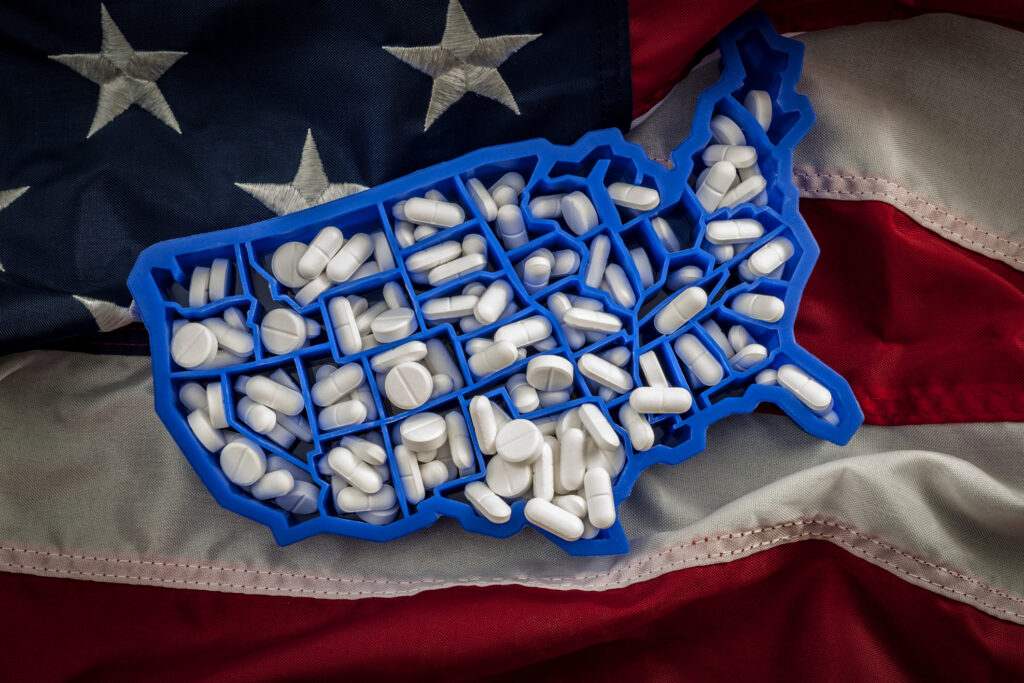
The allegations are especially explosive because fentanyl remains the deadliest drug threat in the United States. DEA officials have repeatedly identified fentanyl as the top drug threat in Albuquerque and nationwide, warning that counterfeit pills can contain lethal doses.
The operations at issue eventually contributed to major enforcement actions, including what federal authorities described as the largest fentanyl pill seizure in DEA history in New Mexico. Prosecutors have argued those investigations removed far more drugs from circulation than would have been seized through earlier interdictions.
But Howell says the government crossed a dangerous line.
According to Leavitt, Howell was effectively removed from testifying in cases after raising concerns internally and later filing his whistleblower disclosures.
“Howell’s view was, if you have fentanyl in front of you, you need to interdict it,” Leavitt told Just the News. “That’s how we save lives.”
Congressional scrutiny could be next. Empower Oversight is urging both Congress and the Justice Department’s inspector general to investigate how many pills were knowingly allowed onto the streets, whether public safety rules were violated, and whether similar tactics are being used elsewhere.
READ NEXT: Ilhan Omar’s Latest Financial Shows Dramatic Change From Last Year