
Cuban officials confirmed on Friday the death of Joanne Chesimard, also known as Assata Shakur, the convicted murderer of New Jersey State Trooper Werner Foerster, who had lived in exile in Havana for decades after escaping prison.
The Cuban Ministry of Foreign Affairs released a statement saying Chesimard, born Joanne Deborah Byron, died in Havana “due to health conditions and advanced age.” The longtime fugitive had been granted asylum by the Cuban government in 1984, after fleeing the United States following her 1979 prison escape.
“On September 25, 2025, American citizen Joanne Deborah Byron, ‘Assata Shakur,’ passed away in Havana, Cuba,” the statement read.
Chesimard was convicted in 1977 of first-degree murder, armed robbery, and other charges stemming from a 1973 shootout on the New Jersey Turnpike that left State Trooper Foerster dead. Foerster was survived by his wife and young son.
After her conviction and life sentence, Chesimard escaped from a New Jersey prison and lived underground before resurfacing in Cuba, where she lived openly under the protection of the communist regime.
The FBI and New Jersey authorities had offered $1 million rewards for her capture, and she was added to the FBI’s Most Wanted Terrorists list in 2013.
Reactions from New Jersey Officials
New Jersey Governor Phil Murphy and State Police Superintendent Colonel Patrick Callahan expressed their commitment to justice for Trooper Foerster.
“For years, we have worked with the State Department to bring Chesimard back to New Jersey so she could face justice for the cold-blooded murder of an American hero,” their joint statement said.
“Sadly, it appears she has passed without being held fully accountable for her heinous crimes.”
The officials extended condolences to Foerster’s family and condemned Chesimard’s protected status in Cuba, pledging to oppose any attempt to repatriate her remains.
Legacy and Controversy
Chesimard, who adopted the name Assata Shakur after joining the Black Liberation Army—a militant group that the FBI labeled as one of the most violent of the 1970s—remained a controversial figure. She was considered a symbol by far left activists and organizations for her outspoken resistance to racial injustice.
Her late godson, rapper Tupac Shakur, famously regarded her as family, contributing to her complex legacy in cultural and political discourse.
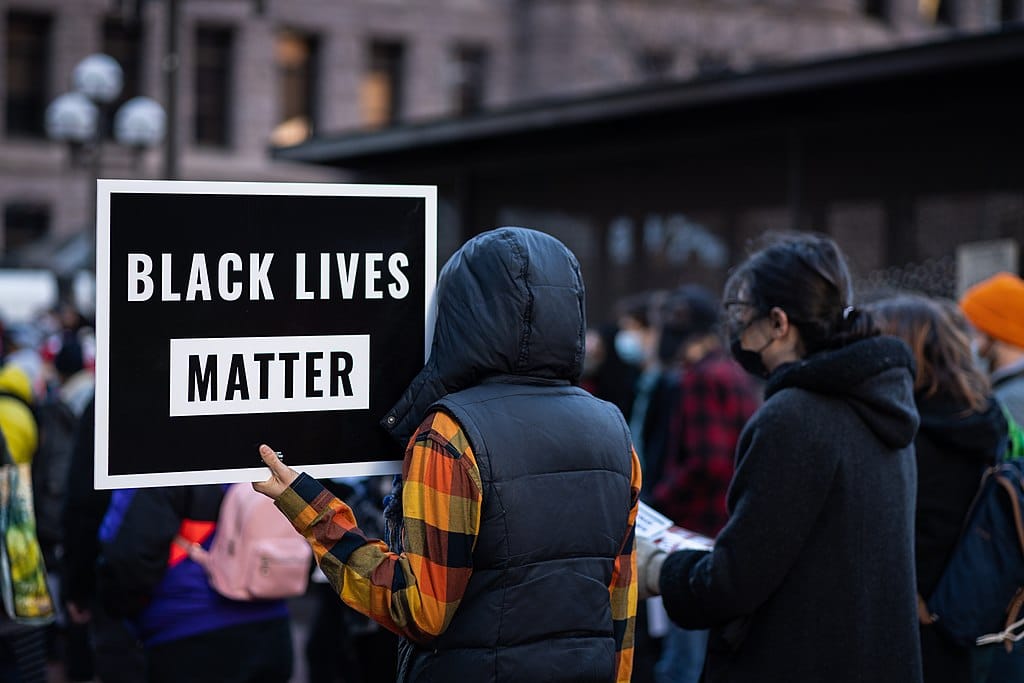
In recent years, groups like Black Lives Matter have praised Cuba’s sheltering of Chesimard, framing her case within a narrative of solidarity with oppressed peoples of African descent. In 2021, the Black Lives Matter Global Network Foundation criticized the U.S. embargo on Cuba while lauding the island’s protection of “black revolutionaries like Assata Shakur.”
U.S. Government’s Response
U.S. officials have long condemned Cuba’s refusal to extradite Chesimard. Secretary of State Marco Rubio has repeatedly accused the Cuban government of harboring criminals and terrorists, calling for her return to face justice.
“On behalf of her victims, we regret that the Cuban dictatorship for decades protected this fugitive and prevented her from facing justice in our nation,” the spokesperson told Fox News Digital.
“We call on the regime to return other fugitives so they can face justice once and for all.”
During his first presidency, Donald Trump strongly pressured Cuba to hand over Chesimard and other fugitives, implementing tough sanctions and threatening further actions against the Cuban regime.
READ NEXT: Report: Former US Ambassador Charged With Spying For Cuba
















I certainly don’t try to ‘celebrate’ (like far too many on the left do) the passing of anyone BUT I certainly am not going to shed a tear for this particular killer.