ABUJA, Nigeria — New allegations are adding to long-running concerns about Nigeria’s security failures, with critics questioning whether authorities ignored intelligence warnings ahead of deadly attacks on Christian communities during Holy Week.
A wave of violence on Palm Sunday left at least 53 civilians dead in three separate attacks, according to local reports, raising concerns about the country’s deteriorating security situation and the government’s ability to protect vulnerable communities.
The deadliest incident unfolded in Ungwan Rukuba, an area of Jos in Plateau State. Around 8 p.m., gunmen opened fire on residents in what survivors described as a coordinated assault on a predominantly Christian neighborhood.
Witnesses said between 28 and 30 people were killed in that single attack. Several homes were hit by gunfire, and families were caught off guard as the violence spread through the area.
Survivors identified the attackers as either militant Fulani fighters or Boko Haram terrorists, though those claims have not been independently verified.
What’s emerging now is not just outrage over the violence itself, but renewed scrutiny of how the government responds when warnings surface.
The Daily Caller provides more details:
Plateau state authorities faced public outcry after at least 28 people were killed and others injured in north Jos, a mainly Christian neighborhood, local leaders said, according to Truth Nigeria. Witnesses said armed men on motorcycles and started to shoot locals while shouting “Allahu Akbar.” The incident took place on Palm Sunday, the beginning of the Christian Holy Week and just days after the Daily Caller attended a March 25 intelligence briefing on Christian killings in Nigeria.
The Plateau incident follows a pattern of attacks against Christian Nigerians last Easter season. Videos have shown lines of dead bodies, some of them even covered by palm fronds.
While Reuters cited experts and politicians claiming climate change and agricultural development were to blame for the increase of attacks against Christians and moderate Muslims in Nigeria’s “middle belt,” U.S. officials and on-the-ground advocates disagree.
One witness, Samson Chiroma, told Truth Nigeria that the gunmen split into three groups, with one specifically targeting “Palm Sunday celebrations and commercial activities.”
A witness described the brutality of the attack in stark terms, saying the assailants were heavily armed. “All of them carried assault rifles,” he said. “Some also carried machetes, which they used on victims who did not die immediately.”
He also raised concerns about the response from security forces. “Minutes after the attackers began withdrawing, soldiers arrived on two trucks and on motorcycles,” the witness said, alleging the troops refused to pursue the gunmen and instead opened fire on local residents who attempted to chase them down.
A Persistent Pattern of Violence
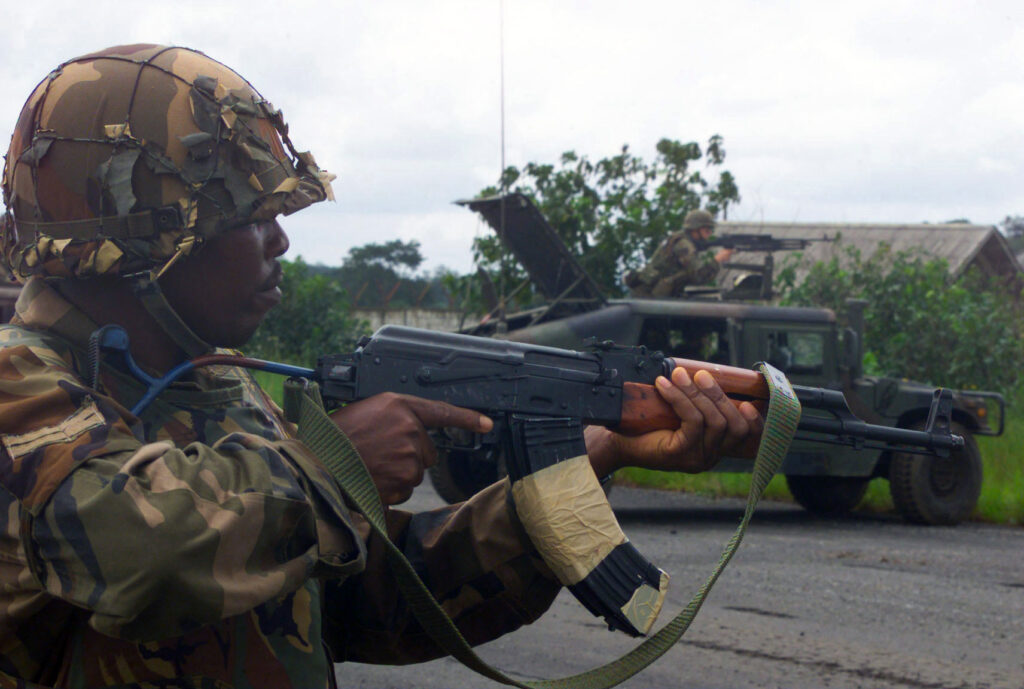
Nigeria’s security crisis is neither new nor isolated. For years, extremist groups like Boko Haram and factions linked to the Islamic State have carried out attacks, alongside heavily armed bandit militias operating in rural areas.
The targets often include Christian communities, particularly in the country’s north and central regions.
Last fall, President Donald Trump publicly expressed concern about the persecution of Christians in Nigeria and redesignated the country as a “country of particular concern,” a designation reserved for nations with particularly severe violations of religious freedom.
Nigeria is the most dangerous country in the world to be a Christian, according to the International Society for Civil Liberties and Rule of Law, which reported that more than 7,000 Christians were killed and another 7,800 abducted for their faith in the first seven months of 2025 alone.
In early 2026 alone, a series of bombings and raids left dozens dead and many more injured. Religious organizations report that more than 100 Christians have been killed in recent months, with tens of thousands forced from their homes.
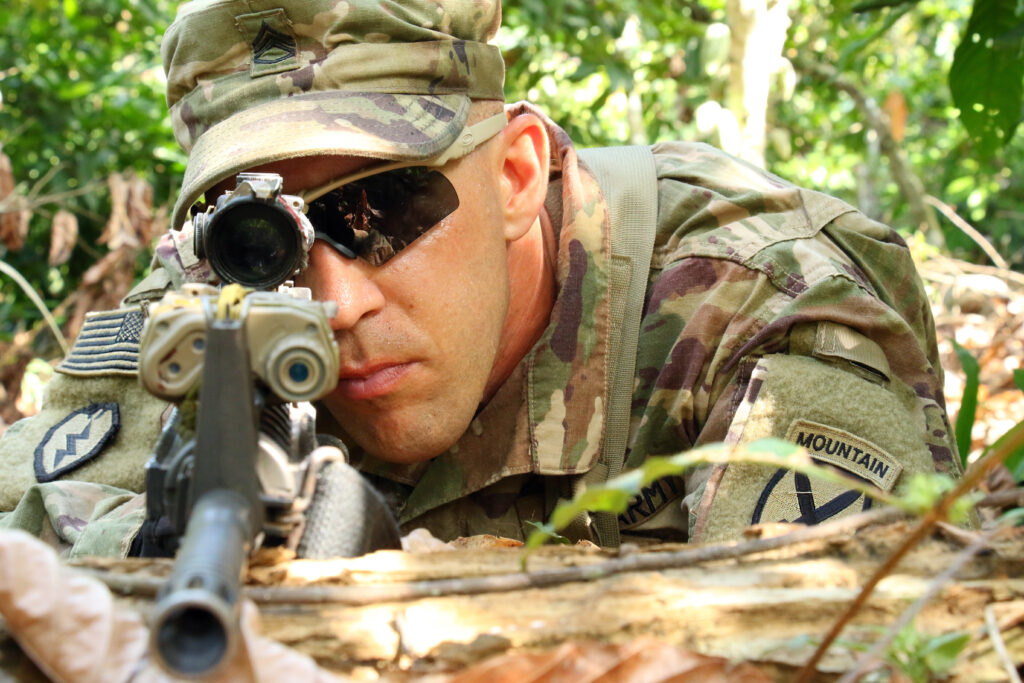
The Department of War confirmed in February that it discreetly sent a small military team to Nigeria, signaling a new phase in counterterrorism cooperation and a broader shift in how Washington operates across Africa.
Mounting Criticism of Government Response
The latest wave of attacks has sharpened criticism of Nigeria’s leadership.
Opponents and analysts argue that authorities have been too slow to act on intelligence or have failed to respond decisively once violence begins. In several past incidents, officials initially downplayed or denied reports of attacks, only to confirm them later. That pattern has fueled public distrust.
A recent controversy added to the frustration. While attacks across multiple regions reportedly killed more than 150 people, top officials were seen attending high-profile events. The contrast drew backlash from citizens who see a disconnect between the government’s public posture and the reality on the ground.
Some analysts go further, describing the situation as a broader failure of the state to maintain basic security in affected areas.
Disagreement Over What’s Driving the Violence
Many advocacy groups frame the violence as targeted persecution of Christians, pointing to the repeated strikes on churches and predominantly Christian villages.
Others, including some policy analysts and local government officials, argue the picture is more complicated. They point to overlapping factors: long-standing ethnic tensions, disputes over land between herders and farmers, and insurgencies that affect both Christians and Muslims.
What Remains Unclear
Despite the strong claims circulating around Holy Week, key details are still uncertain.
There is no widely confirmed evidence that Nigerian leaders ignored specific intelligence tied directly to a single, large-scale Holy Week incident. Reporting varies widely, and accounts of what happened — and when warnings were issued — differ depending on the source.
That lack of clarity has not stopped the accusations, but it does complicate efforts to assign responsibility for any one event.
The Bottom Line
Nigeria’s security crisis is ongoing, and civilians continue to bear the brunt of it. Christian communities are frequently among the victims, though they are not the only ones affected.
The debate over whether officials ignored warnings is likely to continue. What’s harder to dispute is the broader reality: repeated attacks, conflicting narratives and persistent questions about whether the government is doing enough to protect its most vulnerable citizens.
READ NEXT: New Breakthrough From US Adversary Could Shape Future Weapons