






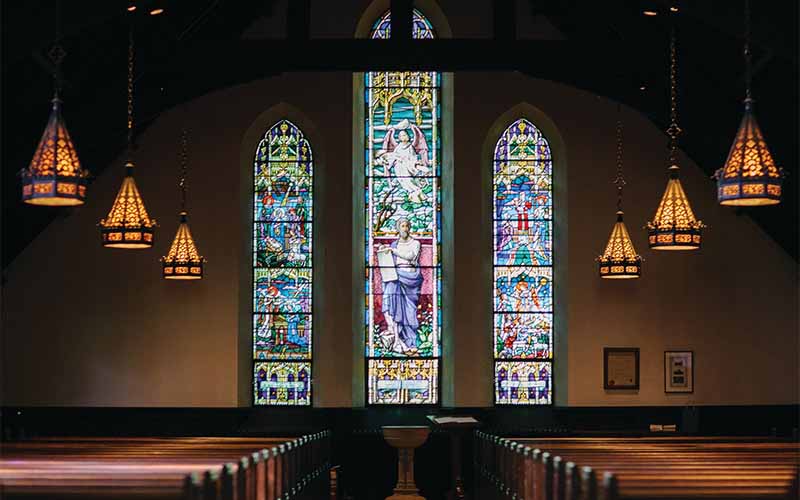
In a cultural landscape often defined by secularism and spiritual apathy, a quiet but significant revival appears to be unfolding — and it’s being led by the very generations many once assumed were lost to faith.
Recent surveys from leading research organizations in both the U.S. and the U.K. reveal a surprising and steady rise in spiritual engagement among young adults, particularly Gen Z and millennials. From increased Bible reading and church attendance to personal commitments to Jesus Christ, the numbers suggest a spiritual awakening is underway across the Western world.
A February report from Pew Research Center first signaled that the decade-long decline in American Christianity had slowed. But new findings from Barna Group, the American Bible Society, and the Bible Society in the U.K. suggest something even more striking: the trend is reversing, and it’s being powered by a generation once deemed the least religious in modern history.
On Monday, Barna reported that 66% of U.S. adults now say they’ve made a personal commitment to Jesus that remains important in their life — a 12-point increase since 2021.
“Since the pandemic … Millennials and Gen Z have shown significant increases in commitment to Jesus,” Barna noted, highlighting a contrast with Gen X and Boomers, whose levels of religious commitment have remained relatively flat.
Across the Atlantic, the U.K. is witnessing similar trends. According to new data from the Bible Society, church attendance among 18–24-year-olds has jumped from 4% in 2018 to 16% today. Among young men, that number is even higher — a leap from 4% to 21% in just six years. As co-author Rhiannon McAleer observed, the growth is “significant and broad-based,” with Roman Catholic and Pentecostal churches in particular seeing increased participation.
“We’re hearing things coming off university campuses with young people crowding into gospel-focused meetings or crowding into churches,” Chief Innovation Officer at the American Bible Society John Plake told Washington Watch. “Churches outside Oxford University are beginning to fill up with young people … searching for something more.”
Part of this renewed interest in faith appears to be cultural — a reaction, some say, to the unfulfilled promises of secularism. Joseph Backholm, Senior Fellow at the Family Research Council, points to a deep sense of disillusionment among young adults who feel they were misled by cultural narratives.
“Secularism and the Sexual Revolution were pursued aggressively by Gen Z and millennials — and found wanting,” he said. “It promised joy if only you would focus on pleasing yourself, but they ended up the most miserable generations to have ever lived.”
“When people experience the devastation of believing a lie, they don’t stop looking for joy and purpose,” Backholm explained. “They start looking for the truth.”
This hunger for truth and transcendence is also being fueled by a cultural revival in religious storytelling. From the viral success of “The Chosen” to Amazon’s “House of David”, Bible-based films and shows are reaching millions. Plake says this is more than entertainment — it’s ministry.
“These productions are causing people to dig into Scripture,” he said. Spikes in activity on the YouVersion Bible app have been directly linked to themes from shows like The Chosen. “There is a yearning for something more,” Plake added, “and people are showing up.”
This spiritual resurgence may also trace its roots to the COVID-19 pandemic — a global crisis that profoundly disrupted daily life and exposed deep emotional and existential vulnerabilities. The unprecedented nature of the pandemic, marked by extended lockdowns, widespread job losses, isolation, and the loss of loved ones, forced many — particularly young people — to confront questions of mortality, meaning, and purpose. With traditional sources of comfort and stability shaken, faith offered an anchor. What began as a coping mechanism for some has evolved into a deeper, lasting spiritual commitment for many in Gen Z and the millennial generation.
In a time when traditional institutions continue to struggle for relevance, and cynicism runs high, it may be the unlikeliest of trends that reshapes the future — a generation rediscovering faith not through obligation, but through hunger for truth, meaning, and hope.
READ NEXT: President Trump Invigorates Christians With Holy Week Message























Great insights here! Do you think this spiritual shift among young people will continue to grow, or could it be a temporary response to current events? Just curious about how stable this trend might be.