

Vessel Operating Just Outside U.S. Waters
HONOLULU — A Russian Navy surveillance vessel was spotted operating roughly 15 miles off the coast of Oahu, prompting a response from the U.S. Coast Guard on Thursday.
U.S. territorial waters extend 12 nautical miles from shore, meaning the ship remained in international waters — but barely.
Identified as the Kareliya
The ship, identified as the Kareliya, is a Vishnya-class intelligence-gathering vessel operated by the Russian Navy. It was first detected Oct. 29, according to U.S. officials. The vessel has reportedly remained near Hawaii for several weeks.
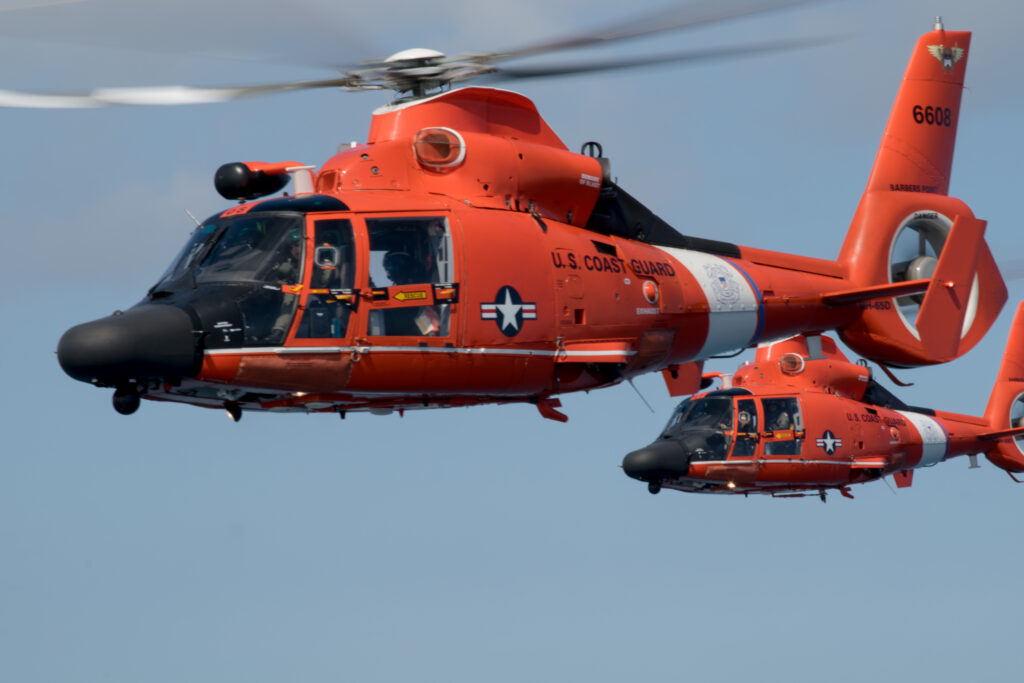
In response, the Coast Guard deployed a cutter and an aircraft to monitor the situation and maintain maritime domain awareness — a standard protocol when foreign military vessels approach U.S. territory.
As Fox News reports:
Acting in accordance with international law, the Coast Guard said personnel are monitoring the vessel’s activities near U.S. territorial waters to provide maritime security for U.S. vessels operating in the area.
Coast guardsmen will also monitor the vessel to support U.S. homeland defense efforts.
“The U.S. Coast Guard routinely monitors maritime activity around the Hawaiian Islands and throughout the Pacific to ensure the safety and security of U.S. waters,” Capt. Matthew Chong, chief of response for the Coast Guard Oceania District, wrote in a statement.
“Working in concert with partners and allies, our crews monitor and respond to foreign military vessel activity near our territorial waters to protect our maritime borders and defend our sovereign interests,” Chong added.
No Clear Motive from Moscow
Pentagon spokeswoman Sabrina Singh also acknowledged the ship’s presence but offered no assessment of its intent.
“I can’t speak to why the Russians are sailing the ship right now — it’s kind of precarious timing,” Singh said, likely referencing heightened tensions surrounding Russia’s ongoing invasion of Ukraine and its recent nuclear posturing.
Part of a Pattern
Other Vishnya-class ships have appeared near U.S. regional waters before, including off the Atlantic coast, the Gulf of Mexico, and near Alaska. These deployments are often described by Moscow as routine intelligence-gathering missions, but U.S. officials remain wary of the timing and proximity.
Legal but Provocative
Under the United Nations Convention on the Law of the Sea, foreign military vessels are allowed to operate within a country’s exclusive economic zone (EEZ), which extends up to 200 nautical miles from shore. While the U.S. does not have full sovereignty in the EEZ as it does in its territorial sea, it does expect foreign militaries to follow accepted norms of conduct.
So far, Russia has issued no public explanation for the Kareliya’s presence. It is unclear whether Moscow will formally respond or seek to clarify its intentions, or protest the U.S. response.
READ NEXT: Another Socialist Mayor Declares Victory Over A Week After Election



















Any way to Jam their signals to keep them from reaching our facilities? Maybe scramble the electronic signals somehow, or use a “Dome” similar to Israel’s only for electronics.
To me this is provocative.