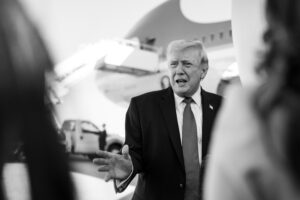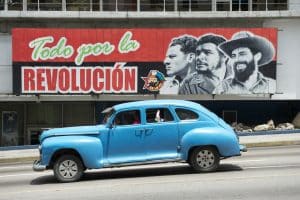
The U.S. government, under President Donald Trump’s administration, is actively pursuing efforts to achieve regime change in Cuba by the end of 2026, according to exclusive reporting by The Wall Street Journal.
The Trump Administration is actively seeking regime change in Cuba by the end of the year, emboldened by the recent ouster of Venezuelan President Nicolás Maduro, with senior officials in the administration searching for Cuban government insiders who could help cut a deal to push… pic.twitter.com/t2DNcJTsi5
— OSINTdefender (@sentdefender) January 22, 2026
Officials familiar with the matter told the Journal that the administration believes Cuba’s long-standing communist government is more vulnerable than at any time in decades, in part because of a severe economic crisis and the loss of Venezuelan support following the U.S. operation earlier this month that led to the capture of Venezuelan strongman Nicolás Maduro.
The strategy reportedly does not yet include a formal, comprehensive plan to overthrow Cuba’s government, which has ruled for nearly 70 years under the Communist Party. However, steps underway include:
- Searching for potential Cuban officials or insiders who might be willing to strike a deal or defect, similar to tactics used against Maduro’s regime.
- Intensifying economic and diplomatic pressure, including sanctions, visa restrictions on Cuba’s medical programs (a vital source of foreign currency for the regime), and efforts to choke off subsidized oil imports that have helped sustain the Cuban economy.
- Public warnings from President Trump urging Cuba’s leadership to make a deal “BEFORE IT IS TOO LATE.”
Officials describe the effort as a blend of political pressure, economic isolation, and covert outreach rather than an imminent U.S. military invasion. The Times noted that the White House views Cuba’s economic weakness and political isolation as a possible opening for change:
Beyond the fear of military intervention, regime change in Venezuela also has drastic implications for Cuba’s economy, which is grappling with its worst economic crisis in a decade.
The island has long relied on subsidised oil imports from Venezuela, which has helped to prop up Cuba since Hugo Chávez took power in Venezuela in 1999.
The US has imposed sanctions on Cuba for decades, leaving its economy stagnant, exacerbating economic hardship and contributing to a mass exodus.
Washington now intends to apply further pressure to Cuba’s communist government by halting the oil that Cubans rely on, senior US officials told the Journal.
Historical and Strategic Context
U.S. policy toward Cuba has long been dominated by efforts to isolate the communist government through sanctions and political pressure, dating back more than six decades. In recent years, Trump’s administration has strengthened sanctions and reinstated Cuba’s designation as a state sponsor of terrorism as part of a broader “maximum pressure” strategy targeting the regime’s economic and security apparatus.
This regime-change push comes amid rising tensions between the U.S. and Cuban governments, including a recent mass demonstration in Havana organized by the Cuban state in response to U.S. military action in neighboring Venezuela that killed Cuban officers, which Havana denounced as imperialist aggression.
Cuba’s leadership, dominated by President Miguel Díaz-Canel and the legacy of the Castro family, has rejected U.S. demands and threatened resistance, framing Washington’s policies as hostile attempts to undermine Cuban sovereignty.
Experts caution that pursuing regime change in Cuba — whether through pressure or negotiated internal deals — carries significant risks, including destabilization, humanitarian crises, and unpredictable political outcomes. Cuba’s highly centralized one-party state and lack of a robust internal opposition complicate any transition scenario.
For now, U.S. actions suggest a coordinated effort to drive political change rather than a fully defined strategy. The extent of Washington’s willingness to escalate to kinetic operations — and whether Havana cracks — remains an open question.
READ NEXT: Blue State Police Defy Leadership In Epic Collaboration