

Two American soldiers wounded during the Iran War say the Pentagon significantly understated the severity of their injuries, despite both suffering traumatic brain injuries, shrapnel wounds and requiring months of medical treatment.
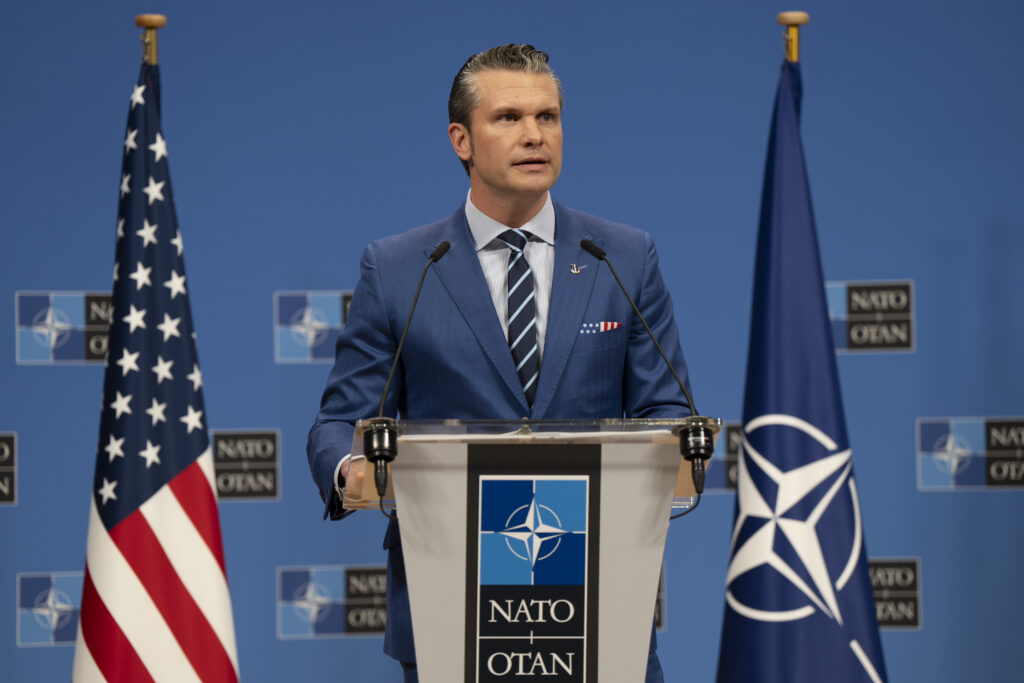
According to a CBS News report published Wednesday, Chief Warrant Officer Rodney Bearman and Sergeant First Class Cory Hicks disputed public statements from Defense Secretary Pete Hegseth suggesting that the overwhelming majority of wounded American service members suffered only minor injuries.
In March, Hegseth said that “almost 90%” of the roughly 400 American troops injured during the conflict had sustained minor wounds and had already returned to duty.
Bearman and Hicks, however, told CBS News their experiences paint a different picture.
Bearman was wounded on March 1 when an Iranian drone struck his workstation at Port of Shuaiba in Kuwait. Medical records reviewed by CBS reportedly show he suffered shrapnel wounds, a concussion, hearing and vision loss, lung damage and other injuries.
Despite those injuries, the Army classified him as “not seriously injured.”
“That assessment is unacceptable,” his wife, Amy Bearman, told CBS News.
Hicks, who survived the same drone strike, said Army officials also minimized the seriousness of his injuries after he suffered extensive shrapnel wounds that required multiple emergency surgeries.
“They said your husband was injured, he has a minor jaw injury, and he’s going to be returned to duty,” Hicks recalled his wife being told after the attack.
Asked whether he believed military leaders attempted to soften the public’s understanding of the incident, Hicks answered, “Absolutely.”
Nearly four months after the attack, Hicks remains at Walter Reed National Military Medical Center recovering from what he described as a pretty severe traumatic brain injury.
Bearman has since been transferred to a soldier recovery unit closer to his family, where he continues receiving treatment for his injuries.
The Army denied suggestions that it intentionally downplayed the severity of either soldier’s condition.
“The care and well-being of our Soldiers is of the highest priority,” an Army spokesperson told CBS News. “Any assertion that the Army seeks to downplay a soldier’s injuries is simply not true.”
The report raises new questions about how the military classifies battlefield injuries and communicates casualty information to the public, particularly in deeply unpopular military excursions.
Traumatic brain injuries have become one of the signature wounds of modern warfare, with military health officials noting that blast exposure can produce lasting cognitive, neurological and sensory impairments even when external injuries appear relatively minor.
READ NEXT: The Contradictions Defining Trump’s Iran War
















Gee, remember when the military stopped reporting US Soldier BODY COUNTS? Why do you think Nixon shut down the Vietnam War? NO ONE WANTED TO BE THERE ANYMORE
Best thing to stop foreign wars being fought by US Soldiers is to PROTEST IN THE USA. Against the war, not against each other !