






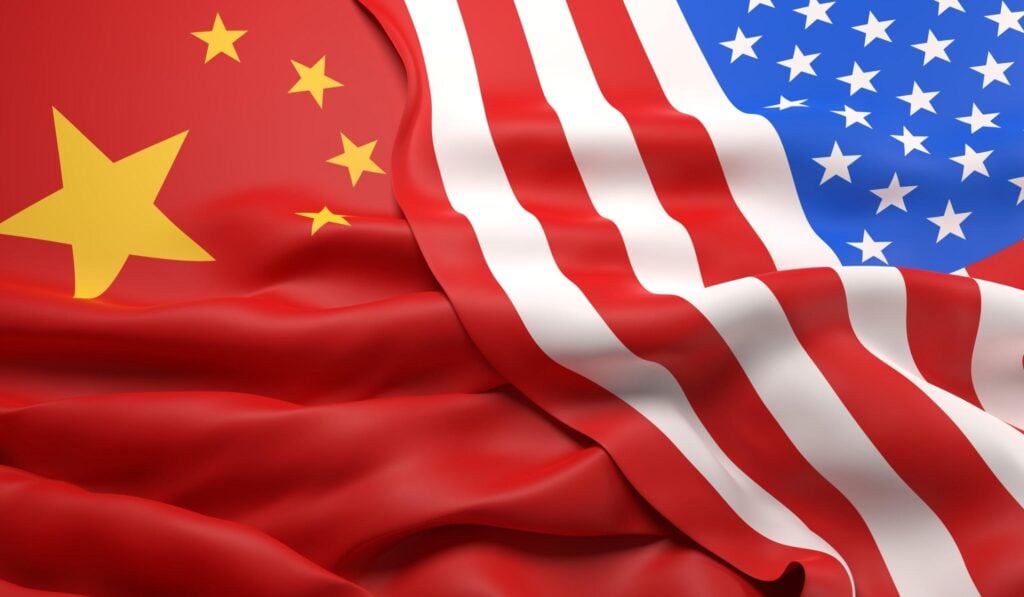
Beijing has imposed new export controls on rare-earth minerals, a vital component in electronics and battery manufacturing. This strategic move comes as part of China’s retaliation against President Donald Trump’s tariffs, aiming to target one of the most crucial sectors of modern technology and global supply chains.
Rare-earth minerals are essential for producing a wide range of electronic devices, from smartphones to electric vehicle batteries, making them a key player in the global tech industry. China, which is the world’s leading producer of these minerals, currently accounts for approximately 70% of the global supply. While China supplies around 60% of the raw minerals, it controls nearly 90% of the processing and refining capacity, giving it substantial leverage over global markets.
Over the past decade, China’s near-monopoly on rare-earth production has been challenged by efforts from other nations to ramp up production. In response, China has adopted aggressive measures to maintain its dominant position, including setting high production quotas to lower prices and push competitors out of the market. Now, in response to U.S. tariffs and escalating tensions, China is once again using rare-earth minerals as a trade weapon, tightening its grip on the supply chain.
On Sunday, China announced that it would place additional export controls on seven rare-earth minerals, although it assured the international community that it would maintain stable supplies for the rest of the world. Importers have long understood that when China announces tighter controls to protect its national interests, it often leads to rapid and substantial reductions in supply, which drives up prices and disrupts global markets.
Notably, the export controls exclude two rare-earths—neodymium and praseodymium—that are not primarily supplied by China, offering some relief to manufacturers. However, the minerals subjected to the new restrictions are predominantly sourced from China, highlighting the country’s continued control over the market. Chinese officials have justified the move by claiming that these seven minerals have “dual-use” military applications and are therefore crucial for China’s national security.
In response to China’s move, South Korea held an emergency “supply chain inspection meeting” on Sunday to assess the potential impact of the restrictions. The South Korean trade ministry stated that its government and private stockpiles would be sufficient to last for six months on two of the seven restricted minerals, while manufacturers would adjust their processes to reduce reliance on two others. South Korea also confirmed plans to seek alternative sources for the minerals, including from Australia, while maintaining close contact with China’s commerce ministry to ensure export approvals are not unduly delayed.
Australia, which has significant rare-earth reserves, stands to benefit from China’s export controls. Australian mineral companies have already been working to expand their share of the rare-earths market, and China’s tightened restrictions could accelerate their plans. As global demand for rare-earths continues to rise, Australia’s refiners are well-positioned to capitalize on China’s reduced supply, potentially gaining a larger foothold in the global market.
READ NEXT: Why Trump Wants Rare Minerals From Greenland And Ukraine




















Quit buying ANYTHING from them. Other countries including our own have rare earths for sale. Much in our Country is on federal land. Why pay someone else for it?
On the other hand, there are thousands of acres in western half of USA that are probably good sources of lithium and other “rare earth” ores. We are dependent on China for next month’s ore, maybe not next year’s ore.
I am glad I have stock in other sources of rare minerals.
America First
American jobs
Fair trade
Cut government waste. graft, and lobbyist influence
Ban ALL trade with Communist China……..Fk’em!