

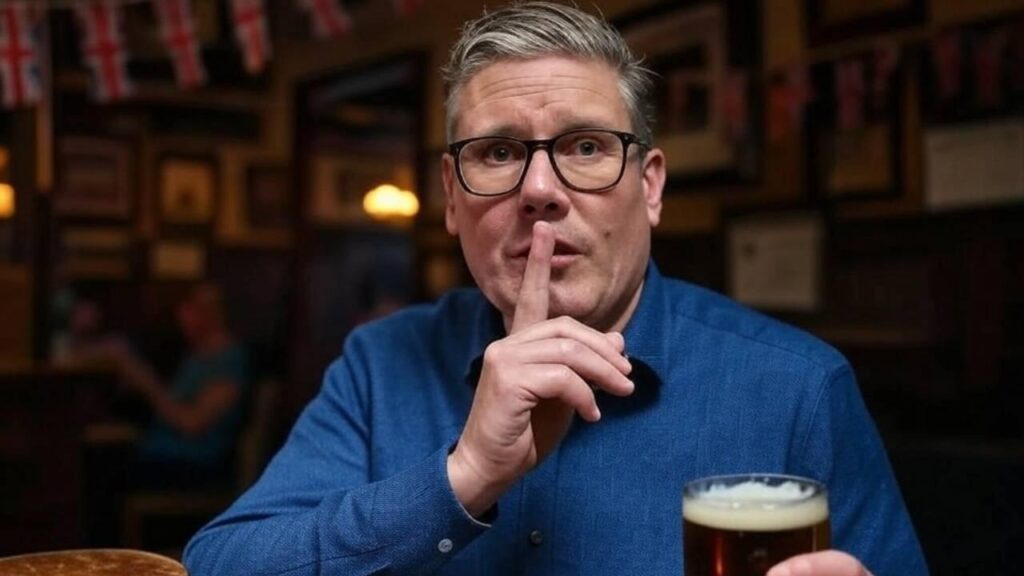
U.K. Prime Minister Keir Starmer presented a new peace framework for resolving the ongoing conflict between Ukraine and Russia on Sunday. This proposal, developed alongside French President Emmanuel Macron and other European leaders, comes amid mounting concerns over the continued escalation of the war. Starmer’s plan, which is intended to serve as a restart point for peace negotiations, emphasizes the importance of U.S. backing but also calls for a more substantial commitment from European nations.
During a summit with Ukrainian President Volodymyr Zelensky, Starmer outlined the key components of the plan, which he referred to as an opportunity to “reset the balance of power” in Europe. One of the most notable aspects of the proposal is its reliance on the U.S. for financial and military support. Starmer acknowledged that while the U.K. was ready to contribute boots on the ground and air force assets to enforce any peace agreement, the U.S. would remain critical in upholding the terms of the deal.
In addition to British and European military assistance, Macron spoke about an essential provision of the peace framework: a 30-day ceasefire. This temporary freeze in air, sea, and energy strikes would create a window for negotiating a broader peace deal, offering a glimmer of hope for diplomatic resolution. Both leaders emphasized that European countries needed to “step up” and take on a larger role in guaranteeing Ukraine’s security, acknowledging that Europe’s dependence on the U.S. for military assistance cannot continue indefinitely.
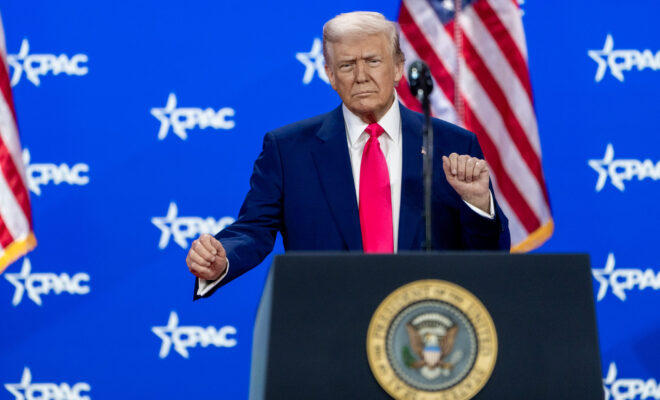
While the details of the peace plan are still in flux, Starmer and Macron’s proposal sets the stage for further diplomatic talks in the coming months. Zelensky, who has faced mounting pressure from both European and American political leaders, appeared to be in damage-control mode following a tense exchange with former U.S. President Donald Trump and Vice President JD Vance during a White House meeting last Friday. Zelensky has since reiterated his commitment to a minerals deal with the U.S.
Senator Lindsey Graham, who was once an avid supporter of the Ukrainian president, has taken a sharp critical turn, calling for his resignation following the contentious White House meeting. Graham, who has long been a vocal supporter of U.S. involvement in Ukraine, expressed concern that Zelensky’s behavior would make it difficult for the U.S. to maintain a productive relationship with Ukraine moving forward.
For his part, Zelensky has responded to Graham’s criticism with defiance, emphasizing that he would not tolerate interference in Ukraine’s domestic affairs.
When asked about Graham’s remarks, Zelensky responded, “I can give him the citizenship of Ukraine. He will become a citizen of our country, and then his voice will gain weight. And I will hear him as a citizen of Ukraine on the topic of who must be the president.”
He also insisted that a failure to support Ukraine’s efforts would not only be a victory for Russian President Vladimir Putin but would also undermine Europe’s security and U.S. interests in the region.
If successful, it could represent a significant shift in the trajectory of the conflict, offering a path to de-escalation and eventual peace. However, the plan’s success hinges on the willingness of both European and American leaders to unite behind a shared vision of security for Ukraine.
READ NEXT: Starmer’s Gamble: UK PM Ready To Send British Troops Into Ukraine