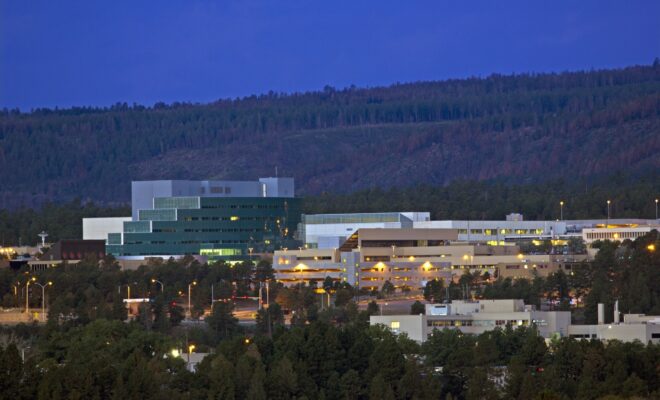









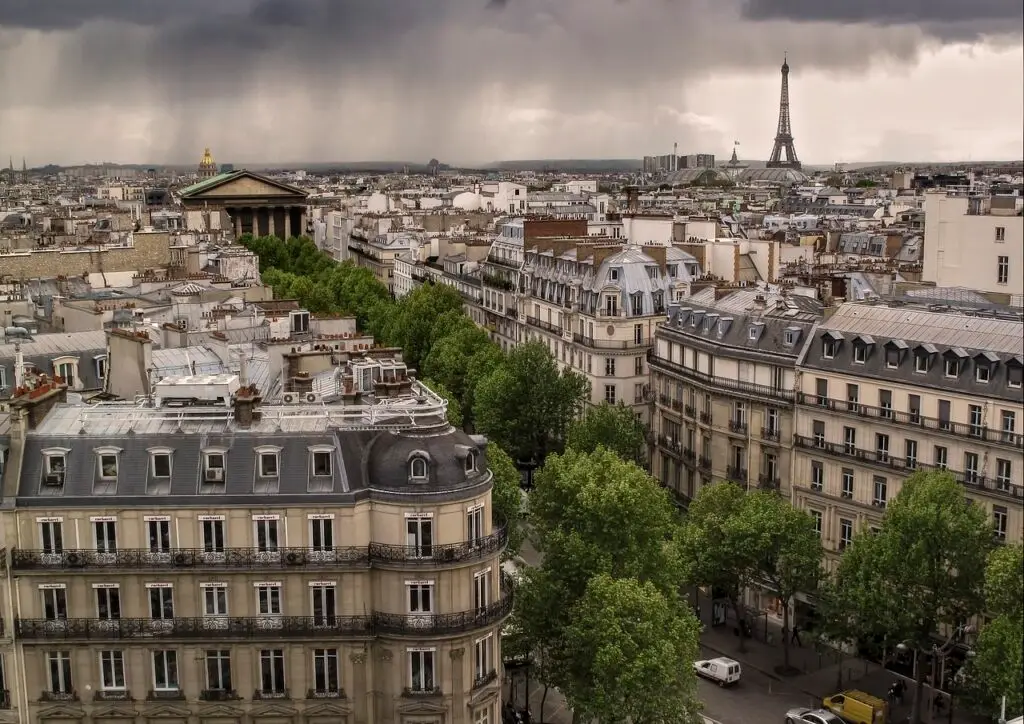
The Gaîté Lyrique Theatre, a 19th-century venue known for hosting cultural and artistic events, has become the center of a tense standoff between the migrants, local authorities, and the French government.
The theatre renowned for its radical performances and exhibitions, has been occupied by hundreds of African migrants since mid-December. The occupation began after the venue hosted a free conference for refugees entitled Reinventing the Welcome for Refugees in France on December 10. The event, which involved talks by academics from prestigious universities, Red Cross officials, and activists, aimed to address issues related to the integration and support of refugees in France.
However, after the conference concluded, the migrants refused to leave. As of now, around 300 people are sheltering in the theatre, prompting its management to raise alarms about the deteriorating sanitary conditions and financial instability.
The Socialist-led Paris city council that owns the building has stated that it has been unable to find alternative housing for the migrants, and has called on the national government to step in. However, President Emmanuel Macron’s centrist government has largely ignored these requests, creating a policy vacuum that has left both the theater and the local community to cope with the fallout.
The ongoing occupation of the Gaîté Lyrique Theatre in Paris by dozens of migrants has sparked a heated debate over France’s handling of immigration, public order, and the country’s economic challenges. The migrants, the majority of whom are believed to be from African countries, are claiming to be under 18 and therefore eligible for special housing and assistance. However, local authorities have disputed this, insisting that many of the individuals involved are adults who have a history of living on the streets.
The migrant group organizing the occupation, known as the Collectif des Jeunes du Parc de Belleville, has vehemently opposed these age assessments, calling them “racist and expeditive.” The collective frames the occupation as a form of antiracist and anticolonial protest, describing it as part of their broader fight against structural inequality. Since the occupation began, there have been daily demonstrations and general assemblies held outside the theatre.
The occupation has had a significant economic impact. The theatre’s income model, which relies heavily on ticket sales—approximately 70% of its revenue—has been severely disrupted. Several hundred thousand euros in direct losses from the cancellation of private and public events have been reported, with many shows and performances either delayed or outright canceled due to the occupation. A spokesperson for the theatre called the situation a “collapse” of its financial structure.
The effects of the occupation have rippled beyond the theatre itself. Local businesses, especially those catering to theatergoers, have been hit hard. A bistro next door, once a bustling spot for patrons before and after shows, has reported €30,000 in lost revenue since the occupation began. The bistro manager, Elia, who is the daughter of Algerian migrants herself, told The Times that the situation is threatening her livelihood.
“They are ruining my business,” she said, describing how the migrant groups linger outside her terrace, smoking joints and engaging in fights, which has driven both theatregoers and passersby away. “They’re frightened away by all these young men,” Elia lamented.
READ NEXT: Attacks Disrupt Paris: Major Infrastructure Targeted Hours Before Olympic Games