Multiple Errors Cited in Crash That Killed 67
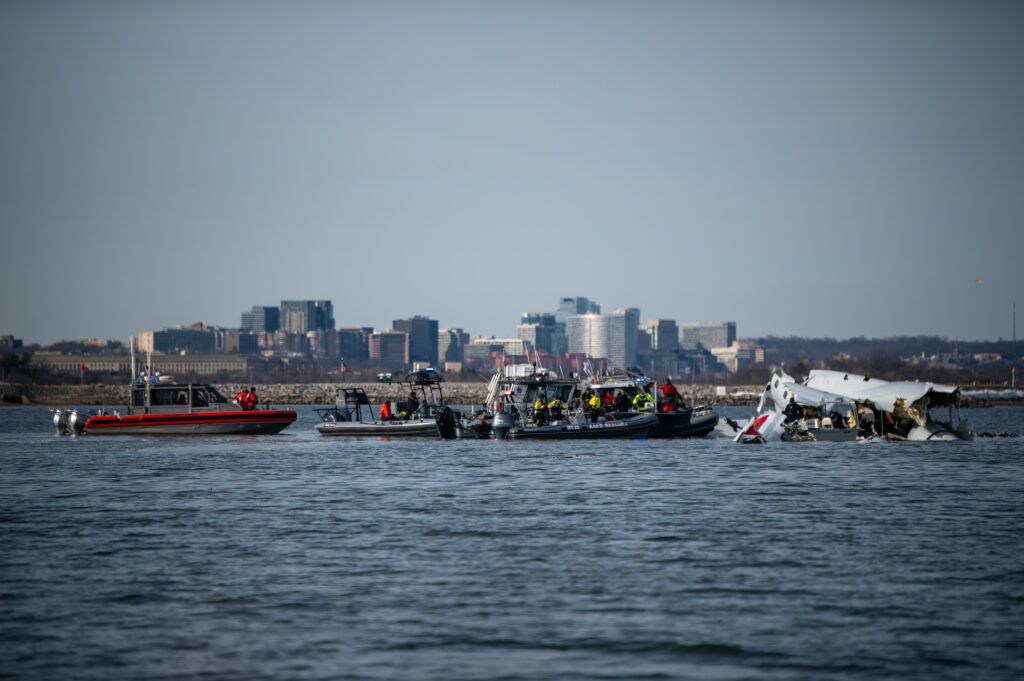
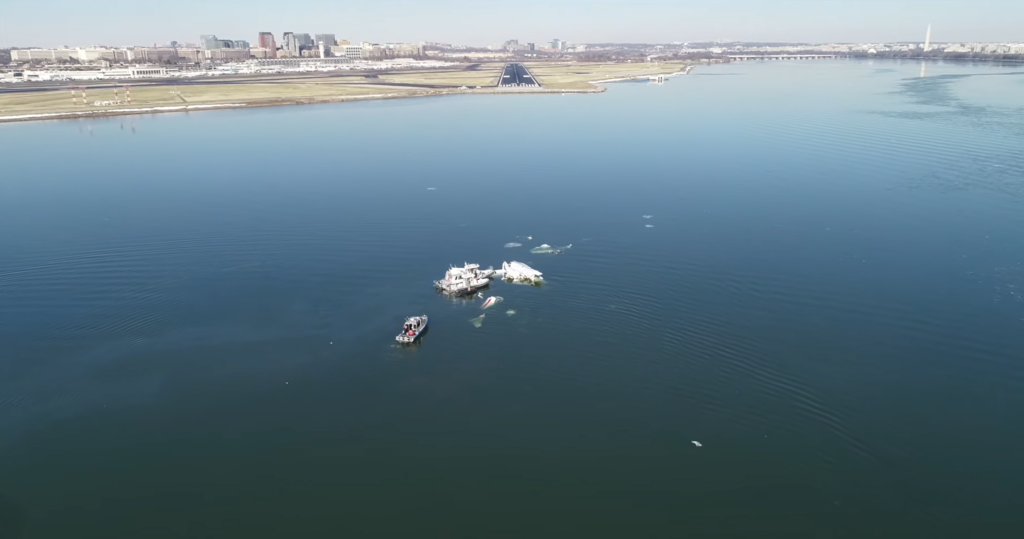
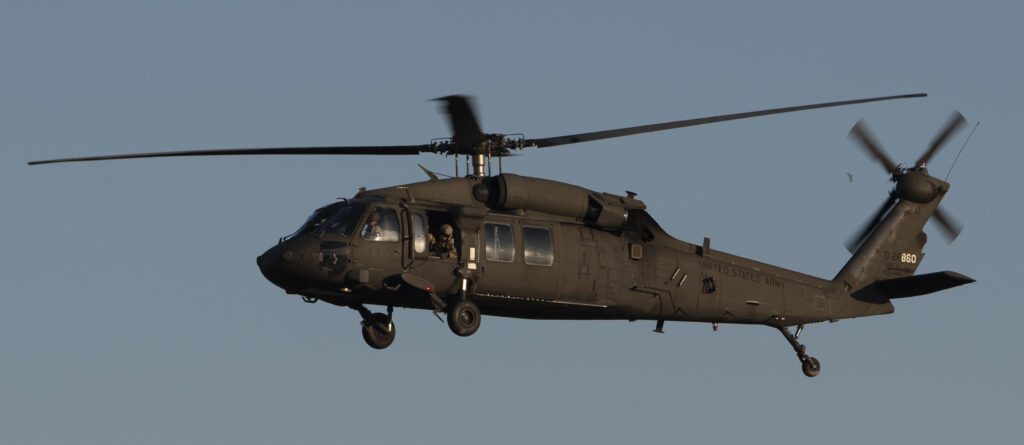
A tragic series of mistakes led to the collision between a U.S. Army Black Hawk helicopter and an American Airlines jet on final approach to Reagan National Airport, according to a detailed New York Times report. The Jan. 29, 2025 accident left 67 dead and has reignited debate over airport crowding and pilot readiness.
Key Findings from the Report
Investigators concluded that Captain Rebecca Lobach, the Black Hawk’s pilot, made critical errors in the minutes leading up to the crash:
-Altitude Mistake: The Black Hawk was flying too high for its assigned approach.
-Ignored Co-Pilot’s Directive: Lobach failed to follow a clear warning from her co-pilot and flight instructor, Warrant Officer Andrew Eaves, to turn left.
-Missed Opportunity to Avoid Collision: Turning left would have widened the distance between the helicopter and American Airlines Flight 5342, which was descending at just 300 feet for Runway 33.
-Air Traffic Control Criticized: The controller was also faulted. Although he had delegated primary responsibility for evading air traffic to the Black Hawk crew under visual separation, he continued to monitor the helicopter and failed to issue sufficiently clear and urgent instructions to avert the crash.
Eaves reportedly told Lobach he believed air traffic control expected them to “turn left toward the east river bank,” but she did not act on his advice.
Broader Concerns About Airport Safety
This disaster has sharpened criticism of operational practices at Reagan National Airport, which saw increased congestion after a 2024 aviation bill authorized five new long-haul flights per day. Some aviation experts had warned that cramming more flights into an already strained airspace could lead to fatal consequences.
The Times has more on that fateful January night — and why some experts believe a collision at Reagan was inevitable under the conditions:
Shortly after the Black Hawk passed over Washington’s most famous array of cherry trees, an air traffic controller at nearby Ronald Reagan National Airport alerted the crew to a regional passenger jet in its vicinity. The crew acknowledged seeing traffic nearby.
One of the pilots then asked for permission to employ a practice called “visual separation.” That allows a pilot to take control of navigating around other aircraft, rather than relying on the controller for guidance.
“Visual separation approved,” the controller replied.
The request to fly under those rules is granted routinely in airspace overseen by controllers. Most of the time, visual separation is executed without note. But when mishandled, it can also create a deadly risk — one that aviation experts have warned about for years.
While no single error — not even Lobach’s negligence — is solely responsible for the worst domestic aviation disaster since 2001, the layers of redundancies and safeguards protecting U.S. aviation procedures collapsed at multiple levels on Jan. 29.
The Federal Aviation Administration (FAA) has been experiencing a significant staffing shortage in air traffic control towers for years, raising serious safety concerns across the aviation industry. The tower at Reagan National was not immune to the problem.
On the night of the crash, the air traffic controller on duty was simultaneously managing both helicopter and fixed-wing aircraft traffic — a role typically handled by two separate individuals. This dual responsibility likely contributed to critical communication errors.
According to Reuters, the FAA currently faces a shortfall of approximately 3,500 certified air traffic controllers. This represents about a 10% decrease from 2012 levels, with only around 10,800 certified controllers employed compared to the 14,300 needed to ensure safe and efficient operations. The shortage has led to mandatory overtime and six-day workweeks for many controllers, increasing fatigue and the potential for errors.
While efforts are underway to address the issue, the complexity of training and systemic challenges suggest that resolving the shortage will require sustained investment and strong policy support.
READ NEXT: Top House Leader Announces Retirement After Devastating News