Shift moves several shots to shared decision-making, drawing praise from Kennedy and concern from health experts.
The Centers for Disease Control and Prevention and the U.S. Department of Health and Human Services have revised the national childhood vaccine schedule, reducing the number of vaccines universally recommended for all children.
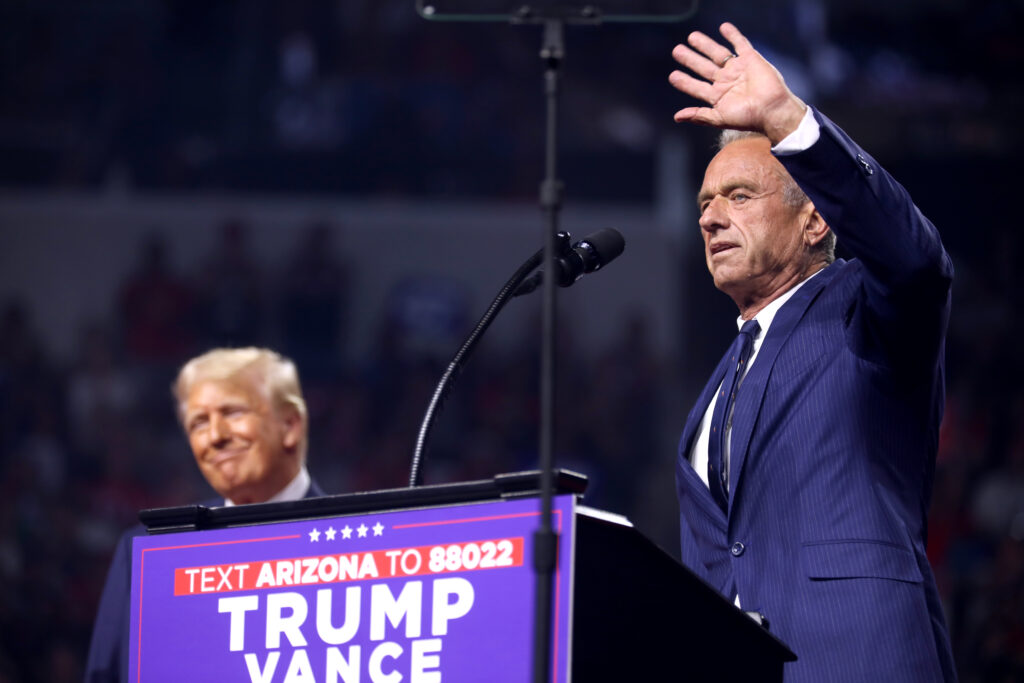
The change, backed by CDC Acting Director Jim O’Neill and supported by Health and Human Services Secretary Robert F. Kennedy Jr., marks a significant shift in federal immunization policy and breaks with decades of gradual expansion of the recommended list.
What Changed
Under the new guidance, the CDC removed four vaccines from the list of recommended vaccines for all children. Those vaccines are now advised through “shared clinical decision-making” between families and clinicians or are limited to specific high-risk groups.
The vaccines that were removed from the universal schedule are those for rotavirus, influenza, meningococcal disease, and hepatitis A.
The CDC also updated its guidance on the human papillomavirus vaccine, reducing the recommended number of doses from two to one.
Vaccines for diseases such as measles, mumps, rubella, polio, and varicella remain universally recommended. However, the total number of shots on the universal list has declined.
The Hill has additional information on the changes, which take effect immediately:
The move comes just weeks after President Trump ordered health officials to review the childhood vaccine schedule and weigh recommending fewer shots.
“President Trump directed us to examine how other developed nations protect their children and to take action if they are doing better,” Kennedy said in a statement.
“After an exhaustive review of the evidence, we are aligning the U.S. childhood vaccine schedule with international consensus while strengthening transparency and informed consent. This decision protects children, respects families, and rebuilds trust in public health.”
HHS officials on a press call declined to speak on the record about the decision. They said the change is meant to increase confidence in the vaccine schedule and address the decreased uptake in routine vaccines like measles.
Why It Matters
Federal health officials say the update brings U.S. policy closer to the childhood immunization schedules used in many other developed countries, which generally recommend fewer vaccines for all children.
HHS and the CDC have described the change as a way to promote transparency and informed consent, giving parents more discretion while keeping vaccines available for those who want them.
Supporters say the revised schedule reflects a more tailored approach to risk and benefit rather than a one-size-fits-all approach.
What Has Not Changed
The vaccines removed from the universal schedule are still available and remain covered by insurance, including Medicaid, Medicare, and most private plans.
Federal programs such as the Vaccines for Children Program will continue to provide access to immunizations even if they are no longer routinely recommended for every child.
Parents can still choose to have their children receive the vaccines based on medical advice and individual circumstances.
Context and Controversy
The overhaul comes amid broader changes at HHS under Kennedy’s leadership, including earlier revisions to COVID-19 vaccine guidance and changes to the CDC’s advisory panels.
Public health experts have raised concerns that scaling back official recommendations could lower vaccination rates and increase the risk of disease outbreaks. They note that the U.S. childhood vaccine schedule has historically expanded as new vaccines proved safe and effective, making the current reduction unusual in modern public health policy.
Critics warn that even minor shifts in guidance can influence parental decisions and public confidence.
Bottom Line
The CDC and HHS have significantly reduced the number of vaccines they recommend for all U.S. children, moving several shots to shared decision-making and high-risk guidance.
The policy shift, supported by Health Secretary Robert F. Kennedy Jr., preserves vaccine access and coverage but alters how federal health officials frame childhood immunization. Supporters view it as a step toward greater parental choice, while critics worry about long-term effects on vaccination rates and disease prevention.
This is a breaking news story. Please check back for updates.
READ NEXT: The War Powers Resolution Is A Constitutional Mistake We Refuse To Admit