




Two employees at the Federal Emergency Management Agency (FEMA) were fired this week after an internal probe revealed they engaged in sexually explicit online communications — including with foreign nationals — and accessed pornographic material on the agency’s unclassified government networks.
The damning findings, confirmed by a review conducted under FEMA’s Insider Threat Program (ITP) and led by the Department of Homeland Security’s Insider Threat Operations Center, raised serious concerns about national security and internal misconduct at one of the country’s most critical emergency response agencies.
Employee with Top Secret Clearance Caught Sexting Foreign National
One of the dismissed employees worked in FEMA’s IT Services Division and held top secret clearance, according to internal documents obtained by The Daily Caller. Investigators discovered the employee had repeatedly logged into Facebook Messenger from FEMA’s network between August 19 and 27, engaging in explicit conversations with someone believed to be located in the Philippines.
“I saw your post on a Philippine dating group here, so I messaged you,” the employee wrote, later expressing plans to visit Manila in “November or December.”
User Activity Monitoring (UAM) further revealed that the employee searched for hotels in Cavite, Philippines on Google Maps and Hotels.com during work hours. In another August 28 message, he admitted he couldn’t bring his phone inside FEMA’s secure areas, adding, “Only chat here on FB Messenger while I’m working.”
That same day, he wrote, “I wish you were here sitting in my lap while I work. I want to hug your waist while I work and smell your hair, kiss your neck.”
The employee’s conduct violated agency rules concerning the use of secure networks and potentially exposed FEMA systems to foreign infiltration and blackmail risks.
Second Employee Shared Porn from “Work Memes” Folder
A second employee, identified as an Environmental Protection Specialist based in FEMA’s Environmental Historic Preservation Office in Alabama, was also terminated after investigators discovered he accessed a pornography website on FEMA’s unclassified network and exchanged explicit chats with multiple users.
In messages dated August 30–31, he reportedly uploaded pornographic images — including one pulled from a file labeled “work memes” — to a user with the handle “tooMessyForMe.” Investigators noted the employee made numerous sexual comments during the chats.
Mount Weather Security Breached
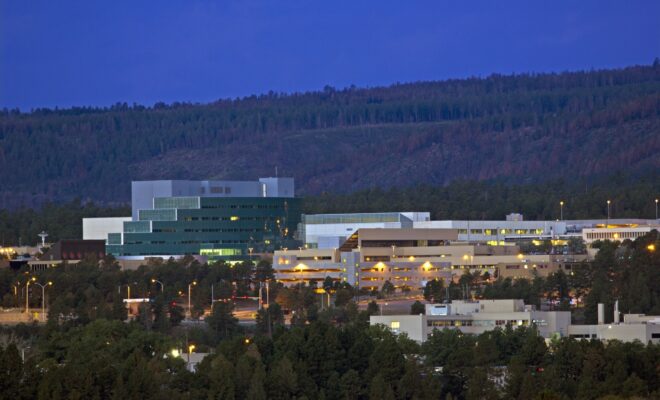
Both employees were assigned to FEMA’s Mount Weather Emergency Operations Center, a fortified compound located near Bluemont, Virginia, designed to serve as a continuity-of-government facility in the event of nuclear attack or national catastrophe.
Given the high-security nature of the facility, which is part of FEMA’s emergency infrastructure tasked with safeguarding the nation in the event of terror threats or disasters, the behavior has sparked alarm among security officials.
DHS: “Deviant Pornography” Accessed
A DHS official, speaking on background, confirmed that at least one of the individuals had accessed “deviant pornography,” including bestiality content, raising further concerns about the psychological profile and suitability of personnel entrusted with national emergency operations.
Fallout and Next Steps
The employees were terminated, and internal security protocols are reportedly under review to tighten access to social media platforms, non-work-related sites, and personal communications on federal networks.
This is not the first time FEMA has come under scrutiny. Earlier this year, the agency faced criticism after its chief publicly contradicted South Dakota Governor Kristi Noem on disaster funding priorities. Now, with employees accessing porn and sexting foreign nationals from inside a nuclear-resilient bunker, the spotlight on FEMA’s internal culture and vetting procedures is growing brighter.
Final Thoughts
The firings raise broader questions about oversight, discipline, and personnel screening within critical U.S. government agencies. In an era of rising global tensions, cyber threats, and domestic vulnerabilities, behavior that compromises national security — even from inside — cannot be tolerated.
READ NEXT: Scammers Steal FEMA Aid For California Wildfire Victims