



Incoming planes left in the dark amid equipment failures…
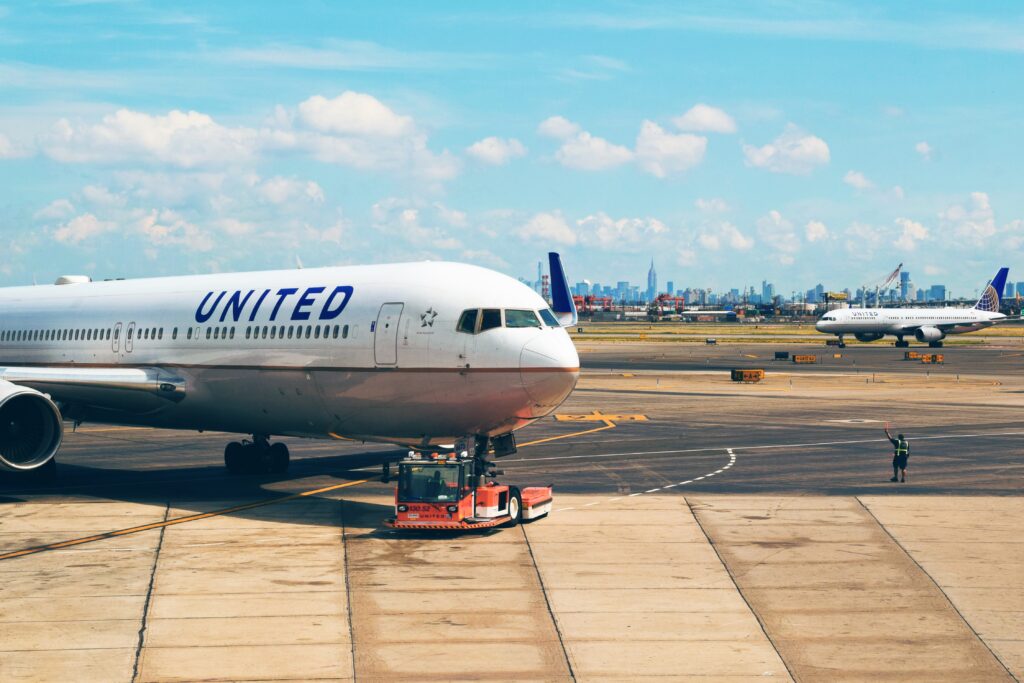
On April 28, 2025, Newark Liberty International Airport experienced a critical failure when air traffic controllers lost contact with 15 to 20 incoming planes for approximately 90 seconds. The incident, attributed to a fried copper wire, left controllers unable to see or communicate with aircraft, leading to a temporary ground stop and significant flight delays and cancellations.
The temporary radar and communication blackout had a profound impact on the controllers, with several taking trauma leave. This sudden reduction in staffing exacerbated existing shortages, with approximately 20% of controllers unavailable, leading to over 800 flight cancellations and delays of up to five hours at the 13th busiest airport in the United States. In 2023, the New York City area airport served 49.1 million passengers, ranking as the 23rd busiest airport in the world.
One week later, The Intelligencer reported more details about the blackout and the controllers’ panic in the tower:
There was no backup system to contact the planes during the blackout. Air-traffic controllers had to wait until the system came back on.
“Your only job as an air-traffic controller is to prevent airplanes from colliding,” says Paul Rinaldi, the former NATCA head who currently serves as senior vice-president of operations and safety at the trade group Airlines for America. “Your number one tool to separate airplanes is talking to them via communication, via the frequencies. And if those go out, you have no ability to talk to them or no real ability to discern exactly where these airplanes are. That’s something that should not happen. That’s something that doesn’t happen often.” [emphasis added]
According to the union, a crisis like this applies as a “traumatic” event for an air-traffic controller, allowing them to take leave under federal law. The 20 percent of controllers who took leave “did not ‘walk off the job’ as it has been reported by the media,” the NATCA said in a statement.
At least five air traffic controllers have taken 45-day trauma leave, per CNN, suggesting delays at Newark, which averaged two-hours-and-forty minutes on Monday, will endure for some time. Any delays will be exacerbated by the renovation to one of Newark’s runways, which will continue until June 15.
Chronic Understaffing and Outdated Technology
Newark’s air traffic control issues are symptomatic of broader systemic problems within the Federal Aviation Administration (FAA). Nationwide, the FAA is operating with about 13,800 controllers, falling well short of the 17,000 needed for full staffing.
Compounding the staffing crisis is the reliance on outdated technology. Some control towers still use equipment from the 1980s, including floppy disks, making them increasingly vulnerable to failures like the one experienced at Newark.
United Airlines Cuts Flights Amid Ongoing Disruptions
In response to the ongoing disruptions, United Airlines, which operates approximately 75% of flights at Newark, has indefinitely canceled 35 daily flights, about 10% of its schedule. According to the EconoTimes, the airline cited the air traffic controller shortage and equipment failures as primary reasons for the cuts:
Acting FAA Administrator Chris Rocheleau confirmed an investigation is underway and emphasized the need for adequate equipment and staffing. The FAA is currently short about 3,500 air traffic controllers, forcing many to work six-day weeks and mandatory overtime.
In response, major airlines, including United, are requesting the FAA extend its waiver on minimum flight usage requirements at congested New York-area airports through October 2027. The rule usually requires airlines to use at least 80% of their slots or risk losing them. United had already reduced flights at Newark earlier due to low FAA staffing and reported disruptions affecting over 343,000 passengers in November.
Federal Response and Criticism
Transportation Secretary Sean Duffy, appointed in January 2025, has announced plans for a multi-year overhaul of the air traffic control system, including a $5,000 bonus to aid recruitment. However, Duffy, a former reality TV star and congressman with no prior aviation expertise, faces criticism for his handling of the crisis. His earlier support for workforce reductions under the Department of Government Efficiency is now under scrutiny.
Travelers Advised to Avoid Newark
Given the ongoing challenges, travel experts advise avoiding Newark if possible, recommending alternative New York-area airports such as JFK, LaGuardia, Westchester, or Long Island MacArthur. Travelers who must use Newark are encouraged to avoid checking luggage and allow extra time.
The situation at Newark highlights the urgent need for adequate staffing and technology in the U.S. air traffic control system. Critics warn that without significant reforms, similar crises may occur more frequently, impacting Newark and airports across the country.
READ NEXT: Trump Allies Join Pivotal Legal Fight