

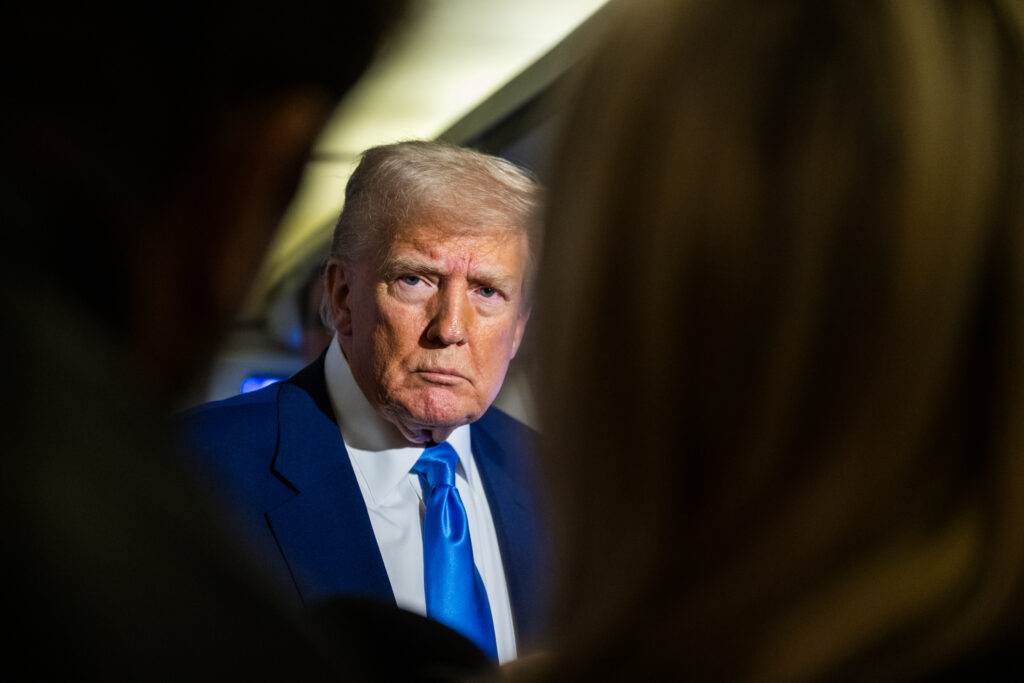
Citing national security concerns, President Donald Trump on Wednesday signed a proclamation implementing comprehensive travel restrictions on 12 countries, saying the United States lacks the resources to prevent potential threats from slipping through.
The full travel ban applies to Afghanistan, Myanmar (Burma), Chad, the Republic of the Congo, Equatorial Guinea, Eritrea, Haiti, Iran, Libya, Somalia, Sudan and Yemen.
In addition to the full bans, the proclamation imposes partial travel restrictions on seven other nations: Burundi, Cuba, Laos, Sierra Leone, Togo, Turkmenistan, and Venezuela.
As The Washington Times reports:
The full ban applies generally to most nonimmigrant visa categories, while citizens from the partial ban countries will lose access to tourist, student and exchange visas.
Mr. Trump carved out a number of exceptions to the travel bans, including those who already hold green cards as legal immigrants to the U.S., foreign adoptees, and athletes who may be coming here for the upcoming World Cup, Olympics or other major sporting events.
But the president said the countries he targeted are too “deficient” in their vetting and screening, and many of them also refuse to cooperate with the U.S. in taking back their deportees.

“The United States must ensure that admitted aliens and aliens otherwise already present in the United States do not bear hostile attitudes toward its citizens, culture, government, institutions, or founding principles, and do not advocate for, aid, or support designated foreign terrorists or other threats to our national security,” Mr. Trump said.
Trump’s new travel ban, set to take effect at 12:01 a.m. on Monday, June 9, echoes elements of the so-called “Muslim ban” from his first term but introduces notable differences in both scope and structure.
Similarities:
- Targeting of Muslim-Majority Countries: Both bans predominantly affect Muslim-majority nations. The 2017 ban included countries like Iran, Libya, Somalia, Sudan, Syria, and Yemen. The 2025 version imposes full entry bans on 12 countries, including Afghanistan, Iran, Libya, Somalia, Sudan, and Yemen, many of which are Muslim-majority.
- National Security Justification: In both instances, the Trump administration cited national security concerns, emphasizing the need to prevent potential terrorist threats and to ensure proper vetting of foreign nationals
Differences:
- Expanded Scope: The 2025 ban extends beyond Muslim-majority countries, affecting a total of 19 nations. In addition to the 12 countries facing full bans, seven others, including Cuba, Venezuela, and Laos, are subject to partial restrictions.
- Structured Rollout: Unlike the abrupt implementation of the 2017 ban, which led to widespread confusion and legal challenges, the 2025 version follows a more structured approach. An executive order signed on January 20, 2025, initiated a 60-day review process to assess countries’ vetting procedures, leading to the current list of affected nations.
- Specific Exemptions: The new ban includes detailed exemptions not present in the earlier version. These exemptions apply to U.S. lawful permanent residents, dual nationals using non-restricted passports, diplomats, athletes participating in major sporting events, certain visa holders, and persecuted religious minorities from specific countries.
While the 2025 travel ban echoes the rationale and some targets of the 2017 policy, it represents a broader and more systematically implemented measure, affecting a wider range of countries and including specific exemptions.
READ NEXT: Former President Defends Controversial Practice



















He should add 20 more countries to the list… he also is being way to generous with the exceptions. Tired of these people, the same people over and over causing problems, perpetuating violence coming here while hating America and taking advantage of Americans kindness and generosity. F-YOU… if you can’t handle the truth 🤣