

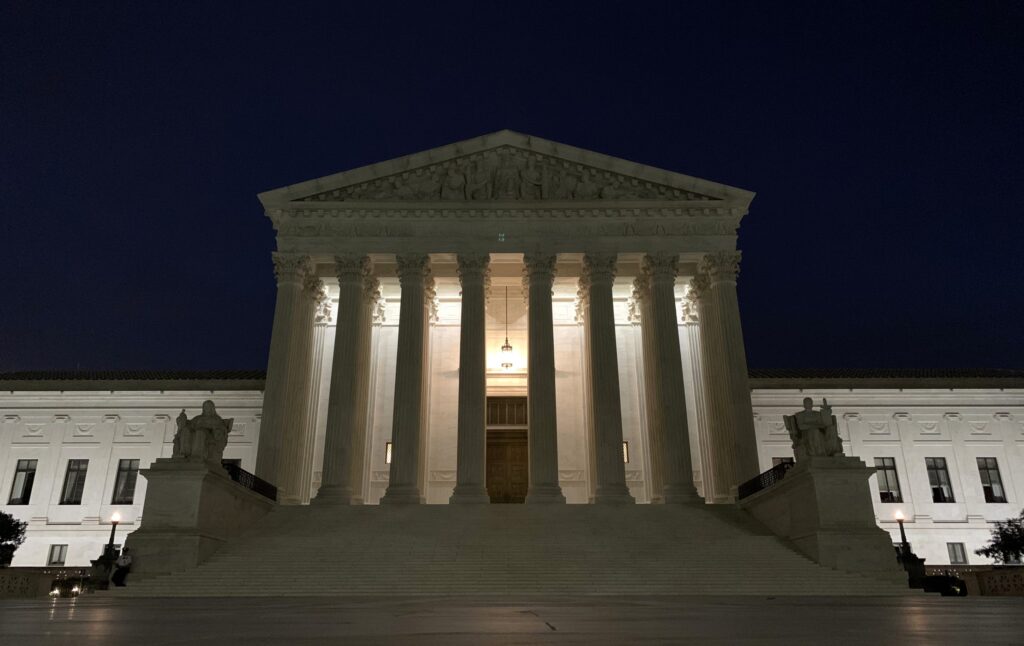
High court sides with executive authority in 6–3 decision, pending final legal outcome
The U.S. Supreme Court has cleared the way for President Donald Trump to move forward with the dismissal of two Biden-era appointees from federal labor boards — at least temporarily. In a 6–3 ruling, the justices declined to reinstate National Labor Relations Board (NLRB) member Gwynne Wilcox and Merit Systems Protection Board (MSPB) Chair Cathy Harris.
Both officials, appointed under the previous administration, were removed earlier this year. A pair of lower courts initially blocked those firings, citing a long-standing precedent that shields members of certain independent agencies from politically motivated dismissals.
CBS News provides additional details on Thursday’s decision granting the Trump administration emergency relief to temporarily halt the rulings that had voided the removals of Wilcox and Harris:
“Because the Constitution vests the executive power in the President, he may remove without cause executive officers who exercise that power on his behalf, subject to narrow exceptions recognized by our precedents,” the court said. “The stay reflects our judgment that the Government is likely to show that both the NLRB and MSPB exercise considerable executive power. But we do not ultimately decide in this posture whether the NLRB or MSPB falls within such a recognized exception; that question is better left for resolution after full briefing and argument.”
Justices Sonia Sotomayor, Elena Kagan and Ketanji Brown Jackson dissented from the court’s decision.
Kagan wrote in her dissent, “Not since the 1950s (or even before) has a President, without a legitimate reason, tried to remove an officer from a classic independent agency—a multi-member, bipartisan commission exercising regulatory power whose governing statute contains a for-cause provision. Yet now the President has discharged, concededly without cause, several such officers, including a member of the NLRB (Gwynne Wilcox) and a member of the MSPB (Cathy Harris). Today, this Court effectively blesses those deeds. I would not.”
Chief Justice John Roberts had already temporarily halted the decisions to allow the Supreme Court more time to consider Mr. Trump’s emergency appeal. The order from the full court means Wilcox and Harris will remain out of their jobs while the challenge to their firings continues.
Citing Executive Control
At the heart of the dispute is a nearly century-old precedent: Humphrey’s Executor v. United States (1935). That decision restricts the president’s ability to fire officials from independent agencies without cause. But the Trump administration argues that both the NLRB and MSPB wield executive authority — making them subject to presidential oversight and control.
This argument reflects a broader conservative legal doctrine known as the unitary executive theory, which holds that the president must have full authority over the executive branch, including personnel decisions.
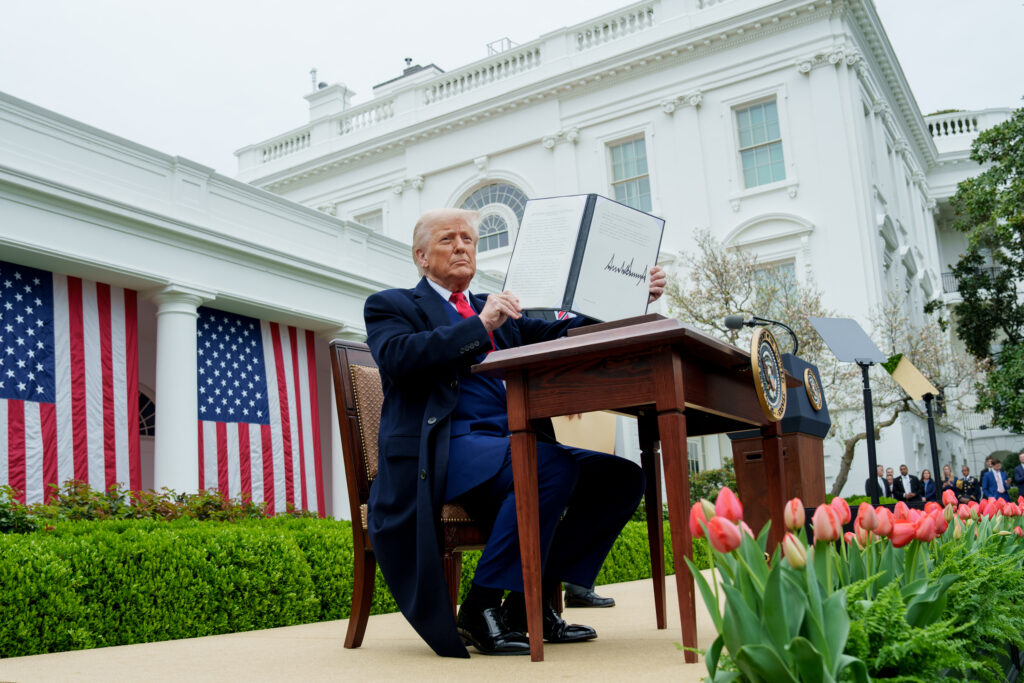
Supporters of the unitary executive theory maintain that the Constitution grants the president full control over the executive branch, leaving little room for congressional interference.
They contend that Congress lacks the authority to establish independent agencies insulated from presidential oversight or to grant officials job protections that prevent their removal by the president.
The theory remains a point of contention. Critics warn it concentrates too much power in the hands of the executive and erodes the system of checks and balances built into the Constitution.
Impact on Key Labor Institutions
The immediate fallout is significant. With Wilcox gone, the NLRB lacks a quorum — effectively grinding its operations to a halt. That includes the Board’s ability to enforce labor law and mediate disputes between unions and employers.
The MSPB, which adjudicates disputes involving federal employees, is similarly disabled without enough members to take up cases. Federal workers are now left in limbo as appeals stack up with no board to hear them.
Broader Agenda and Legal Uncertainty
The removals are part of a larger push by Trump to overhaul the federal workforce. His administration is pressing for downsizing across agencies and has proposed sweeping layoffs — moves now facing stiff legal resistance and under judicial review.
The Supreme Court’s decision does not resolve the broader question of executive authority but permits Trump’s firings to remain in effect while litigation proceeds. For now, it highlights the Court’s conservative majority showing a tentative willingness to revisit constraints on presidential power.
READ NEXT: They Knew The Facts — But Team Obama Said Nothing















This note has little to do with the above comments, however, it has to deal with what is currently being discussed in congress regarding protentional, treasonable actions by Biden Admin staff. One name not being mentioned, and which definitely should be is SUSAN RICE. Here is a quote from an article published on April 24, 2023. “As director of the White House Domestic Policy Council, Rice had broad sway on the administration’s approach to health care, immigration and racial inequality.” This highly dangerous woman basically had Carte Blanche within the Biden Administration. She served in both Obama and Biden admins and had her fingers in every “Pie”. Note: “BROAD SWAY In the administration’s approach to health care, immigration and racial inequality”. It takes very little effort to deduce her hand in the runaway (illegal) Immigration that occurred between 2021 and 2024. House Oversite Committee Chair James Comer needs to include Ms. Rice in his investigations.