

Disney’s latest Marvel Studios streaming series, Ironheart, is drawing attention not for its storytelling or action — but for its decision to introduce the Marvel Cinematic Universe’s (MCU) first drag queen character on the allegedly family-oriented Disney+ platform.
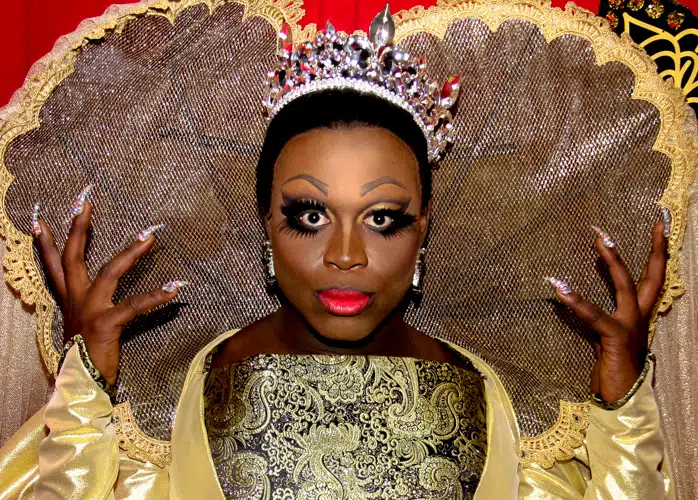
Set to premiere this month after years of delays, Ironheart centers on Riri Williams (played by Dominique Thorne), a teenage tech prodigy who builds her own Iron Man-style suit. But what’s making headlines isn’t the suit — it’s the introduction of a nonbinary hacker and former drag queen named “Slug,” played by RuPaul’s Drag Race star Shea Couleé (Jaren Merrell).
Merrell’s character is described as a social justice-driven “Robin Hood” figure who steals from the rich to give to “marginalized communities.” According to Merrell, the character — who uses they/them pronouns — has a backstory involving time spent in Chicago’s drag scene and helps a group of “urban Robin Hoods” shift the power dynamic in their city.
“They are a drag queen, but it’s kind of a past life,” Merrell told Entertainment Weekly. “You see them in drag, but it’s kind of in the context of flashbacks.” Merrell also praised Marvel for working closely to build a character that reflected their own lifestyle and identity.
Critics argue the decision is less about storytelling and more about signaling ideological virtue, continuing a trend in recent Marvel productions that many feel puts political messaging ahead of broad audience appeal.
Ironheart has been plagued with delays since it was first announced in 2018, originally envisioned as a theatrical release before being downgraded to a six-episode Disney+ series. The show was pushed from a 2023 release to 2024, and now finally arrives this month — with relatively little fanfare. Industry watchers have speculated that Disney’s smaller episode order and low promotion signal a desire to quietly fulfill an obligation rather than launch a major franchise.
It also comes at the tail end of Marvel’s struggling Phase Five, which has suffered from low box office returns, declining Disney+ viewership, and growing criticism — even from loyal fans — that the franchise has lost its narrative focus in favor of political correctness. With past Phase Five entries like The Marvels and Ant-Man and the Wasp: Quantumania underperforming, Ironheart seems poised to continue the trend, rather than reverse it.
Recent polling shows that while Americans overwhelmingly support LGBTQ+ rights in general, many — including moderate and center-right voters — have grown wary of overt sexual and identity themes in media.
This concern has only grown as parents find themselves navigating streaming platforms that increasingly blur the lines between all-ages content and mature social narratives.
Ironheart is just the latest example of what critics see as a corporate entertainment giant attempting to push niche cultural trends into mainstream family media, regardless of how it resonates with most viewers.
Marvel’s gamble with Ironheart may win praise in activist circles and progressive media, but it risks further alienating a core fanbase that once saw the MCU as an escape into imaginative, universal storytelling — not a battleground for divisive cultural politics.
READ NEXT: Former Marvel Executive Says He Was Denied Promotion Because He’s An ‘Old White Guy’




















Stan & Jack are rolling over like Beethoven.