The Supreme Court steps into the ballot fight, Trump issues sweeping pardons for 2020 allies, and Congress confronts the UN over ties to Hamas.
A Supreme Test for Mail-In Voting
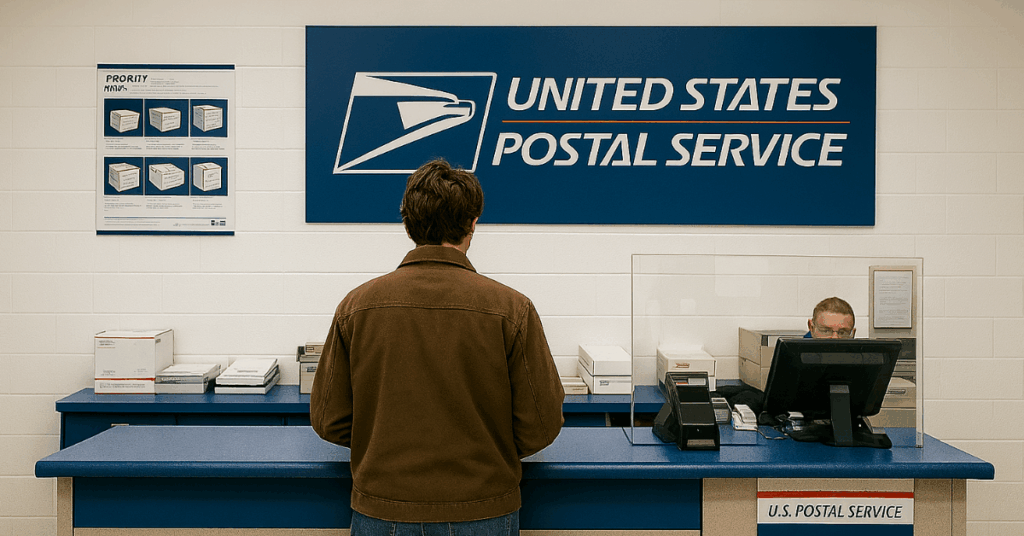
The U.S. Supreme Court has agreed to hear a landmark challenge that could redefine how mail-in ballots are handled nationwide — and reshape election rules before the 2026 midterms.
At the heart of the case is a Mississippi law allowing ballots postmarked by Election Day to be counted if they arrive within five business days. The Republican National Committee and state GOP argue that federal law requires ballots to be received, not merely cast, by Election Day — a standard they say Mississippi violates.
The stakes are huge: roughly 30 states, including several battlegrounds, have similar “grace period” laws. If the Court sides with the challengers, states could be forced to tighten their deadlines or create separate standards for federal races.
Supporters of strict deadlines argue that late-arriving ballots delay results and fuel public mistrust. Advocates for flexibility say grace periods protect voters from postal delays and ensure ballots cast on time are still counted.
Oral arguments took place in October, with a ruling expected by June 2026 — setting up a potentially seismic shift ahead of the midterm election.
Trump’s Pardon Sweep Rewrites the 2020 Playbook
In a sweeping move late Sunday, President Trump granted full, unconditional pardons to at least 77 individuals connected to his efforts to overturn the 2020 election — a list that reads like a who’s who of his post-election inner circle.
Those pardoned include Rudy Giuliani, Mark Meadows, and attorneys Sidney Powell, John Eastman, Kenneth Chesebro, and Boris Epshteyn — key figures in the “alternate electors” strategy and broader attempts to challenge the 2020 certification.
The order extends clemency for “conduct relating to the advice, creation, organization, execution, submission, [and] support” of alternate elector slates or efforts to expose voter fraud. The pardons apply only to federal offenses, leaving open the door for state-level prosecutions still active in Georgia, Michigan, and other swing states.
While many of those named were never federally charged, the proclamation serves as a symbolic closure — and a clear signal of how Trump intends to frame the legacy of 2020.
Congress Targets the U.N. Over Hamas Ties
On Capitol Hill, House Oversight Chairman James Comer (R-KY) has opened an investigation into the United Nations Relief and Works Agency (UNRWA) over allegations that its employees participated in Hamas’s October 7, 2023 attacks against Israel.
In a sharply worded letter to U.N. Secretary-General António Guterres, Comer accused UNRWA and the U.N.’s internal watchdog of stonewalling U.S. requests for information and redacting key documents tied to staff terminations.
Intelligence reports cited by the committee suggest that up to 10% of UNRWA’s Gaza staff may have ties to Islamist militant groups, including Hamas. The revelations come as Washington continues to scrutinize how U.S. taxpayer funds—which make up roughly 40% of the U.N.’s humanitarian budget—are monitored.
President Trump cut U.S. funding to UNRWA earlier this year, citing national security concerns, and touted his administration’s peace plan that led to the release of 20 Israeli hostages last month. Comer warned that without transparency, “the risk remains that individuals tied to terrorism could resurface within other UN entities or NGOs funded by U.S. tax dollars.”
READ NEXT: Supreme Court To Weigh Legality Of Post-Election Day Mail Ballot Deadlines