









Good morning. Diplomacy, democracy, and campaign dollars are all under the microscope today.
A Fragile Pause in the Shadow of Conflict
Donald Trump has extended his deadline for Iran to reopen the strategically vital Strait of Hormuz, stepping back—at least temporarily—from planned strikes on Iranian power plants.
What was once a 48-hour ultimatum has now become a five-day window for diplomacy. Trump pointed to “productive conversations” as the reason for the delay, suggesting there may be an opening to de-escalate.
The stakes are enormous. The Strait of Hormuz carries roughly a fifth of the world’s oil, and its disruption has already rattled global markets. Iran’s restrictions on shipping, paired with ongoing American and Israeli strikes and retaliatory missile attacks, have kept the region on edge.
The world is watching a tense countdown—one that could end in either a breakthrough or a broader confrontation.
A Supreme Court Case That Could Reshape Elections
Back in Washington, the U.S. Supreme Court is preparing to hear a case that may redefine when an election truly ends.
At issue is whether states can continue counting mail-in ballots that arrive after Election Day, so long as they were sent on time.
The challenge, backed by the Republican National Committee, argues that federal law requires all ballots to be both cast and received by Election Day. Opponents—including groups advocating for relaxed voting standards and Mississippi officials—insist that’s never been the standard, and that counting valid ballots after Election Day is both “legal” and “necessary.”
The case revolves around a Mississippi law allowing a five-day grace period for absentee ballots. But its implications stretch much further—potentially affecting dozens of states and millions of voters ahead of the 2026 midterms.
A decision is expected by June—and it could fundamentally alter the mechanics of American elections just months before voters head to the polls again.
Campaign Spending Raises New Questions
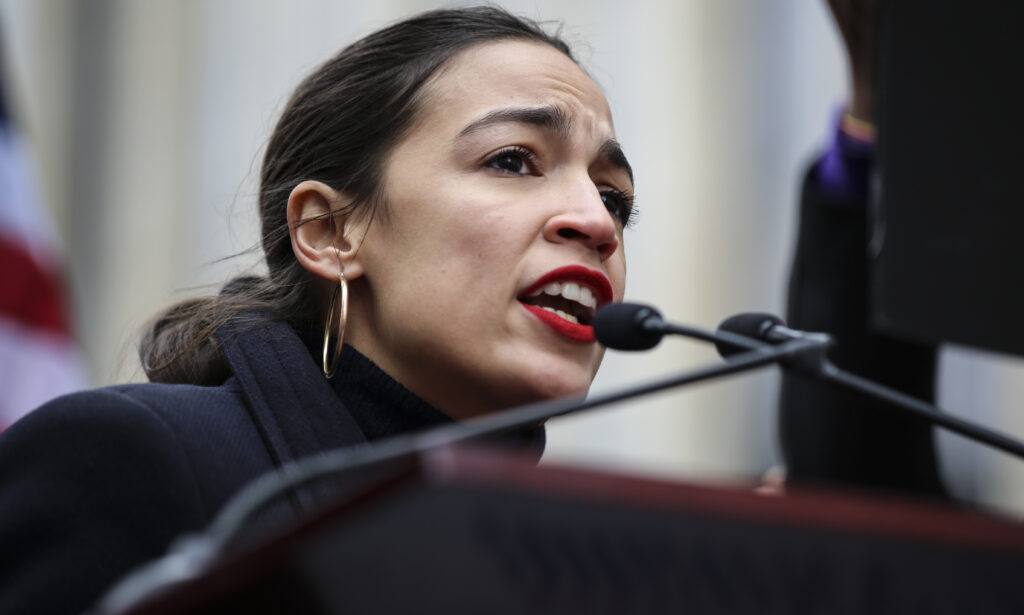
Meanwhile, new filings are drawing scrutiny toward Alexandria Ocasio-Cortez and how her campaign has spent donor money.
Records show nearly $19,000 in payments to Dr. Brian Boyle, a Boston-based psychiatrist associated with ketamine-assisted therapy, listed under “leadership training and consulting.” The filings, however, offer little detail about what services were actually provided—or to whom.
That ambiguity is fueling criticism. Campaign finance experts note that while consulting expenses are common, payments to a medical professional—particularly one outside traditional political advising—are unusual.
The situation is further complicated by Ocasio-Cortez’s policy positions. She has supported expanding research into psychedelic and alternative mental health treatments, which may provide context but doesn’t clarify the nature of the payments.
Watchdog groups are now questioning whether the spending meets legal standards requiring campaign funds to be used strictly for political or official purposes—not personal benefit.
READ NEXT: Progressives Urge Alexandria Ocasio-Cortez To Primary Chuck Schumer
Sponsored
John Kennedy here. The last fundraising deadline passed — and we came up short. Now the woke crowd is celebrating, saying “Kennedy’s finished.” Let’s prove them wrong. Chip in $25, $50, or whatever you can to close the gap and keep fighting.