



Washington is confronting a collision of debates over citizenship, migration, and political power — each unfolding against a backdrop of heightened national scrutiny.
Moreno Pushes to End Dual Citizenship as Trump Era Immigration Agenda Expands
A new front opened in the GOP’s immigration and citizenship push Monday as Sen. Bernie Moreno, R-Ohio, prepares to introduce legislation that would end dual citizenship in the United States. His Exclusive Citizenship Act of 2025 would force Americans who currently hold two citizenships to choose one within a year — or automatically relinquish their American citizenship.
Moreno, himself a naturalized citizen who renounced his Colombian citizenship at 18, framed the bill as a matter of “exclusive allegiance.” Current law places no such requirement on Americans who acquire or retain foreign citizenships, and previous attempts to change that have stalled. But Moreno’s proposal aligns with broader efforts of the populist Trump base to tighten immigration and the boundaries of citizenship, including the administration’s ongoing attempt to end birthright citizenship.
If enacted, the bill would require the State Department and DHS to create enforcement systems, track renunciations, and classify those who forfeit American citizenship as aliens for immigration purposes. Legal challenges are almost certain as the Supreme Court has historically upheld protections for dual citizenship.
D.C. Guard Shooting Sparks Calls for Afghan Vetting Overhaul
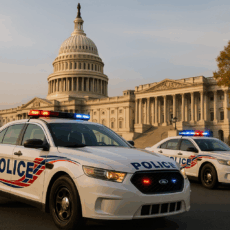
The conversation around citizenship and immigration grew even more charged after a violent attack in downtown Washington last week left U.S. Army Spc. Sarah Beckstrom, 20, dead and U.S. Air Force Staff Sgt. Andrew Wolfe, 24, critically wounded.
The suspect, Rahmanullah Lakanwal, an Afghan national who arrived in the United States in 2021 through a program for Afghans who assisted American forces, now faces upgraded charges, including first-degree murder. Prosecutors say “more charges are coming,” and Attorney General Pam Bondi has stated the Department of Justice intends to pursue the death penalty.
The high-visibility attack — which occurred as the National Guard conducted patrols near Farragut Square — has intensified scrutiny of the vetting process for Afghan parolees. Lakanwal was apprehended at the scene, and investigators have yet to identify a motive, though D.C. officials described the shooting as “targeted” and the suspect allegedly shouted “Allahu Akbar.”
The Trump administration responded with an indefinite pause on migration from Afghanistan and a review of green cards previously issued to migrants from a list of 19 high-risk countries.
The tragedy has reignited debate over both the security gaps that emerged after the 2021 withdrawal from Afghanistan and the policies governing who enters the U.S. — just as lawmakers push new restrictions on citizenship itself.
Indiana Redistricting Fight Puts 2026 House Control in the Crosshairs
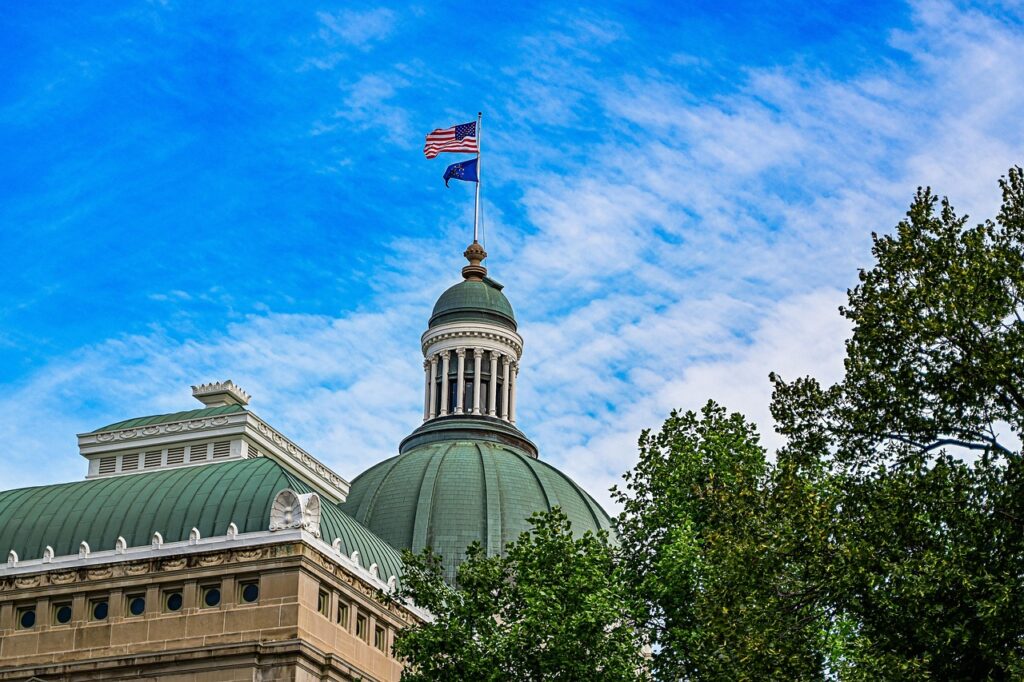
Meanwhile, the battle for House control in 2026 is already underway in Indianapolis, where Republicans are weighing a mid-cycle redistricting plan.
The proposed map — backed by national GOP leaders and encouraged by President Trump — targets two Democratic seats: Rep. Frank Mrvan’s 1st District and Rep. André Carson’s 7th District. Under the new lines, both districts would flip from Democratic strongholds to ones Trump would have carried decisively in 2024.
Indiana House Speaker Todd Huston has signaled his caucus is ready to move quickly, with the legislature convening yesterday afternoon. National Republicans, including House Speaker Mike Johnson, have privately pushed for a 9–0 GOP map, arguing the party must maximize every structural advantage in a year likely defined by razor-thin margins.
But the plan faces resistance in the state Senate, where several Republicans have expressed unease about reopening the maps. Senate President Pro Tem Rodric Bray has promised a December decision, setting up the next major confrontation in a broader nationwide map war.
Redistricting battles have roiled states from Alabama to Florida to New York, with court challenges and special sessions reshaping the political landscape in real time. Indiana could become the next flashpoint as both parties maneuver for the narrowest majority in modern House history.
READ NEXT: Indiana Republican Announces Retirement