From allegations of foreign influence inside American activist networks to immigration enforcement clashes in Minneapolis and a sharp drop in Americans’ optimism about the future, today’s headlines reflect a country grappling with pressure—from abroad, from within, and from economic uncertainty at home.
State Department Flags Left-Wing Groups Over Alleged China Ties
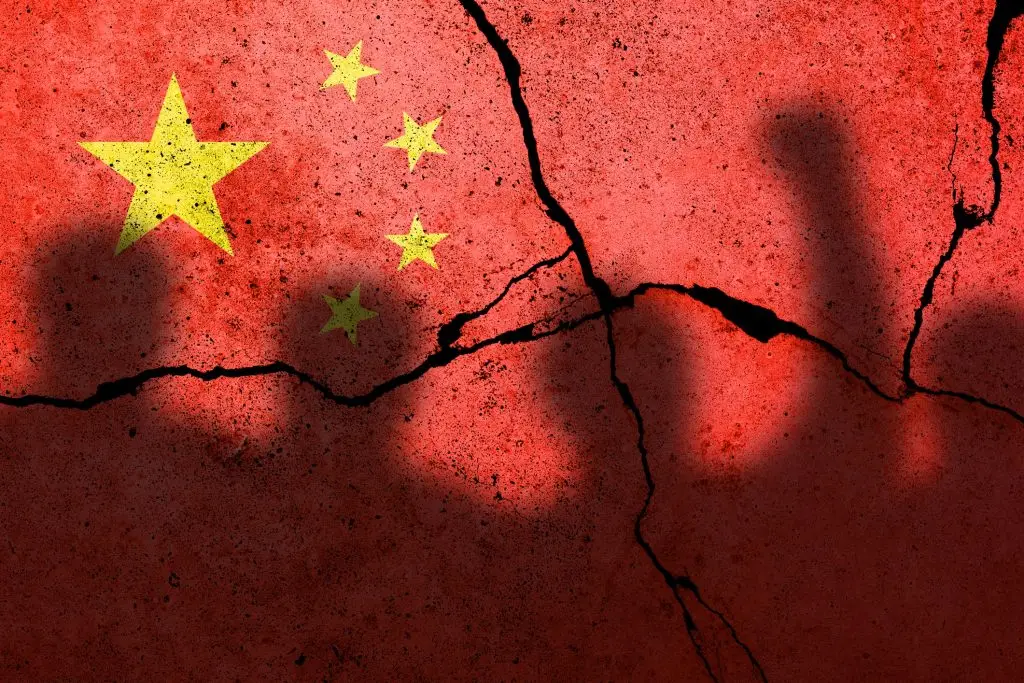
The State Department has sent a report to Congress linking activist organizations Code Pink and the People’s Forum to Chinese influence operations, escalating scrutiny of foreign propaganda networks operating inside the United States.
The report, titled Countering Foreign Information Manipulation and Interference, alleges that China spreads propaganda through nonprofit groups, including those connected to what officials describe as the “Singham network”—a constellation of organizations funded by tech mogul Neville Roy Singham, an American expatriate living in China whose wife co-founded Code Pink.
Under Secretary of State for Public Diplomacy Sarah Rogers accused the groups of “denigrating the United States,” “whitewashing the violence of Marxist regimes,” and running cover for Beijing while benefiting from donor networks with ties to the Chinese Communist Party.
According to the report, Chinese diplomats, state media, and pro-China influencers leverage social media campaigns, partnerships, and educational exchanges to shape global narratives. The department assesses that China—along with Iran and Russia—uses nonprofit proxies and digital platforms to undermine American credibility and expand foreign influence.
Code Pink, founded in 2002 as an anti-war organization, has organized protests across the country and runs a “China Is Not Our Enemy” working group. The State Department report highlights trips organized by the group to China, including tours that study revolutionary history and poverty alleviation programs. It also cites webinars in which activists praised aspects of the Chinese revolution.
The People’s Forum, based in New York, is similarly accused of studying the Chinese Communist Revolution as a potential model for leftist movements in the United States. The organization has also organized pro-Maduro protests and hosted educational sessions examining revolutionary processes.
ICE Arrests ‘Legal Observers’ as Courts Weigh Limits of Protest
In Minnesota, immigration enforcement operations are fueling a legal and constitutional showdown.
U.S. Immigration and Customs Enforcement (ICE) agents have detained and arrested individuals identifying themselves as “legal observers” who follow federal officers in vehicles during operations. Authorities say the arrests fall under Title 18, Section 111 of the U.S. Code, which prohibits interfering with federal officers performing official duties.
According to reporting, at least 655 individuals have been charged under the statute during the current administration—roughly double the number during the same period the previous year.
Department of Homeland Security spokesperson Tricia McLaughlin warned that individuals who inject themselves into enforcement operations risk arrest and jeopardize safety. The statute carries penalties of up to eight years in prison—or up to 20 years if a deadly weapon is involved or bodily injury occurs.
The arrests follow a January injunction issued by U.S. District Judge Kate Menendez, who temporarily barred federal agents from stopping vehicles that maintained a “safe” and “appropriate” distance while observing operations. That injunction was later blocked by the 8th U.S. Circuit Court of Appeals, which will now determine whether to reinstate it or issue a longer-term stay.
Protesters argue they are exercising First Amendment rights to observe and document law enforcement in public spaces. Legal experts, however, note that while recording police activity is generally protected, those rights do not extend to obstructing official duties.
The debate has intensified after several high-profile arrests, including former CNN host Don Lemon, who argued his actions were journalistic in nature. Federal officials contend that certain protest tactics may cross into criminal interference.
Gallup: Americans’ Optimism Hits New Low
Amid political clashes and economic uncertainty, a new Gallup poll suggests Americans’ outlook on the future has reached its lowest point in nearly two decades.
The survey found that just 59.2% of American adults expect to lead high-quality lives in five years—a record low since Gallup began tracking the measure. Since 2020, optimism has dropped by more than nine percentage points, representing an estimated 24.5 million fewer Americans who feel hopeful about their futures.
The steepest declines occurred between 2021 and 2023, during a period marked by high inflation and economic volatility. But optimism fell again between 2024 and 2025, dropping another 3.5 points.
By late 2025, only 48% of Americans rated both their current and future lives positively enough to be classified as “thriving”—down from a 59.2% peak in mid-2021.
The decline cuts across party lines. Democrats saw the largest overall drop in future optimism since 2021, while Republicans and independents also reported declines. Analysts point to lingering affordability concerns, inflationary pressures, housing market instability, and political polarization as contributing factors.
Yet the picture is not entirely bleak. A separate Gallup survey found that 49% of Americans are optimistic about economic growth over the next six months, compared to 36% who are pessimistic.
Small business sentiment, however, remains shaky. The National Federation of Independent Business reported a rise in uncertainty among small business owners in January, even as overall optimism held relatively steady.
READ NEXT: Chinese Influence In St. Vincent Raises Alarm