Washington rolled out a slate of major policy shifts and legal battles Thursday, each touching a different fault line in American life: immigration security, establishment press access, and the contentious legacy of George Floyd. Together, the stories paint a picture of an administration tightening controls across the board — from who can work in the United States to who gets access to the Pentagon — while one of the most consequential criminal cases of the last decade re-enters the courts.
USCIS Slashes Work-Permit Validity to 18 Months, Citing Security Risks After D.C. Attack
The administration’s immigration overhaul took another step Thursday as U.S. Citizenship and Immigration Services announced it is cutting the maximum validity of Employment Authorization Documents from five years to 18 months.
USCIS Director Joseph Edlow framed the change as a security necessity, saying shorter renewal periods will force more frequent vetting and help the agency catch fraud, identity issues, or individuals deemed potential public-safety threats.
Edlow directly linked the decision to last week’s ambush shooting of two West Virginia National Guard members by an Afghan national who entered the United States under the Biden Administration’s immigration policies.
“After the attack on National Guard service members in our nation’s capital by an alien who was admitted into this country by the previous administration, it’s even more clear USCIS must conduct frequent vetting,” Edlow said.
Practically, the shift means more paperwork for immigrants and more frequent verification demands for employers, raising concerns about processing delays and work disruptions if USCIS cannot keep pace.
NYT Sues the Pentagon After Press Rules Tighten Under New ‘Department of War’ Policy
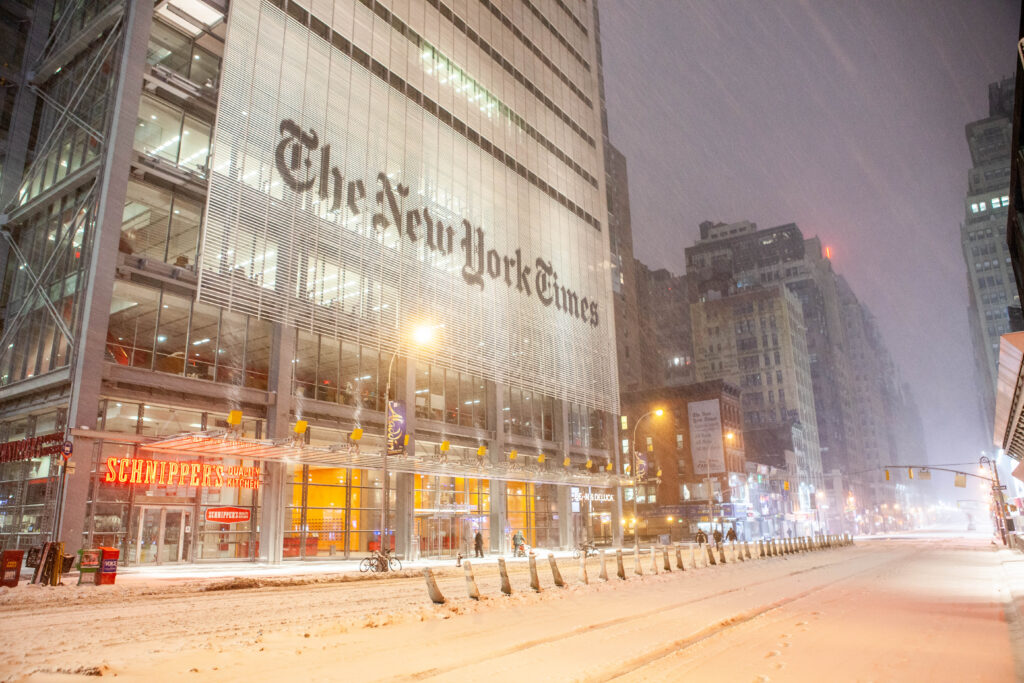
Another battle over government transparency landed in federal court Thursday as The New York Times filed a lawsuit against the Department of War — formerly known as the Department of Defense — accusing officials of trampling First and Fifth Amendment protections.
At issue is a sweeping 21-page press-access agreement rolled out in October that reporters must sign to retain a Pentagon credential. According to the lawsuit, the form restricts actions like reporting information not approved by department officials — even if the material is unclassified and obtained off Pentagon property.
News outlets including ABC, NBC, CNN, NPR, Politico, The Atlantic, The Guardian, and others refused to sign the agreement and subsequently lost their press passes.
The Times argues the rules are unconstitutional: The policy “seeks to restrict journalists’ ability to do what journalists have always done — ask questions and gather information,” the suit states.
Despite the mass media revolt, Pentagon spokesperson Sean Parnell announced that more than 60 journalists did sign on — including right-wing outlets such as Human Events, The Gateway Pundit, The National Pulse, and LindellTV.
This week’s Pentagon briefing even featured former Rep. Matt Gaetz — now a host for One America News Network — as part of what officials called the “next generation” Pentagon press corps.
The lawsuit names War Secretary Pete Hegseth, Parnell, and the department itself as defendants.
Derek Chauvin Seeks New Trial, Claims Flawed Expert Testimony and Incorrect Jury Instructions
In Minneapolis, Derek Chauvin is once again challenging his conviction in the 2020 death of George Floyd, filing a new appeal in Hennepin County District Court as he continues serving parallel federal and state sentences totaling more than 20 years.
Chauvin argues his trial was tainted by improper medical testimony, experts who relied too heavily on video evidence, a misrepresentation of police training, and faulty jury instructions that he says violated his right to due process.
His filing claims 34 current and former Minneapolis officers have sworn that the knee-on-neck restraint was part of department training — contradicting testimony from police supervisors who said otherwise during trial.
Chauvin also says new medical experts he retained will testify that the original physicians used methods “not generally accepted in the scientific community.”
He previously lost an appeal in 2023. He is housed at a low-security federal facility in Big Spring, Texas.
Prosecutors, in closing arguments at trial, said Chauvin chose “pride over policing” during the nine minutes he restrained Floyd, setting off the largest wave of protests and riots in a generation.
READ NEXT: Elon Musk Floats Pardoning Derek Chauvin