










A looming dockworkers’ strike at the start of President-elect Donald Trump’s administration could present a major domestic challenge right out of the gate, with potential economic consequences that could reverberate across the United States. The International Longshoremen’s Association (ILA), representing over 47,000 workers at East and Gulf Coast ports, has threatened to strike on January 15 unless it reaches a new agreement regarding port automation with shipping companies. This dispute, stemming from a stalled negotiation over the impact of automation on workers’ jobs, has left the industry and public on edge, with the strike threatening to disrupt the flow of goods just days before Trump’s inauguration.
In October, the ILA briefly went on strike for three days, costing the U.S. economy an estimated $5 billion per day, according to JP Morgan. The strike was settled with the union securing a 62% pay raise over six years, but key issues surrounding automation have remained unresolved. Maersk, the shipping giant, confirmed that there had been no meaningful developments in negotiations since then, warning customers to prepare for possible disruptions at U.S. East and Gulf Coast ports.
Should the strike take place on January 16, it would likely result in significant backlogs at the affected ports, with ships potentially being diverted to the West Coast. Senior Heritage Foundation fellow Brent Sadler pointed out that small businesses, which rely on timely deliveries of bulk goods and materials, would be hit hardest by the strike, with a ripple effect that could damage the broader economy in the long term.
“There’s a lot of potential for economic fallout, especially for small and medium-sized businesses that rely on port shipments,” Sadler said. “If goods are delayed, factories could experience serious supply chain disruptions that can hurt production, and that’s not good for anyone.”
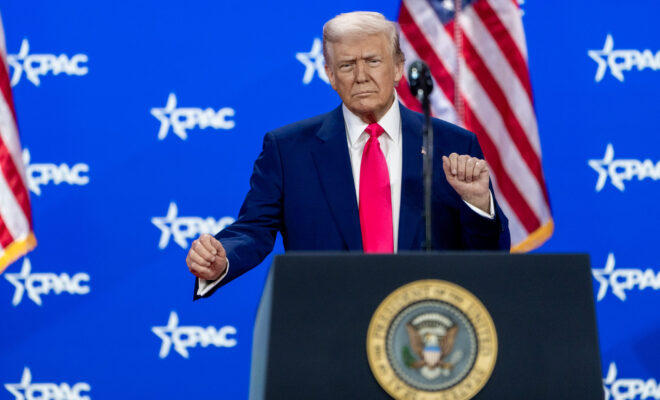
The potential strike and its consequences come at a time when President-elect Trump has already signaled his commitment to defending American jobs, particularly in industries like manufacturing and transportation.
Public support for the ILA has been eroding, especially after its president, who reportedly earned a hefty $900,000 last year, made comments that appeared to prioritize the union’s demands over the well-being of the American public — especially as he made these comments on the heels of Hurricanes Helene and Milton, which devastated the Southeast United States, leaving many Americans in need of critical supplies. In a particularly tone-deaf moment, the union leader boasted about being willing to “cripple” the American economy to ensure better conditions for his workers. While such comments were intended to bolster the union’s bargaining position, they backfired, drawing widespread criticism from both the public and politicians who saw them as selfish and out of touch with the everyday struggles of ordinary Americans.
The ILA claims that increasing automation will result in job losses for dockworkers, with President Trump himself weighing in on the matter. In a post on Truth Social, Trump stated that he believes automation’s economic benefits are not worth the social and economic costs, especially when American workers are left behind.
“There’s been a lot of discussion having to do with ‘automation on United States docks,’” Trump wrote. “The amount of money saved is nowhere near the distress, hurt, and harm it causes for American Workers, in this case, our Longshoremen. Foreign companies have made a fortune in the U.S. by giving them access to our markets. They shouldn’t be looking for every last penny knowing how many families are hurt.”
Despite these concerns, studies have shown mixed results regarding the impact of automation on port efficiency. While some argue that automation could lead to higher productivity, others caution that it could come with unintended consequences for both workers and national security.
READ NEXT: Longshoremen Pause Strike Until Jan. 15, Throwing A Lifeline To Democrats