The Fourth of July commemorates the adoption of the Declaration of Independence on July 4, 1776 — when the 13 American colonies boldly declared their freedom from British rule. From the moment of its signing, observers recognized this act as the birth of American independence and the foundation of a sovereign nation. In the 249 years since, the United States has evolved from a fledgling collection of colonies — isolated and insular — into the most powerful nation in world history.
Independence Day remains a cornerstone of American identity — rich in historical, cultural, and symbolic meaning. It serves as a reminder of the nation’s origins and the enduring values we continue to pursue: liberty, self-governance, and national unity.
With that in mind, here are the most pivotal Independence Days in U.S. history:
1776: Declaration of Independence

On July 4, 1776, the Second Continental Congress formally adopted the Declaration of Independence, proclaiming the American colonies’ separation from Great Britain.
But its impact extended far beyond that pivotal document. The Second Continental Congress also established the Continental Army and appointed George Washington as its commander-in-chief; drafted and approved the Articles of Confederation — the nation’s first constitution; and negotiated vital military alliances, most notably the 1778 treaty with France, which proved instrumental in securing American victory in the Revolutionary War.
1777: First Celebration
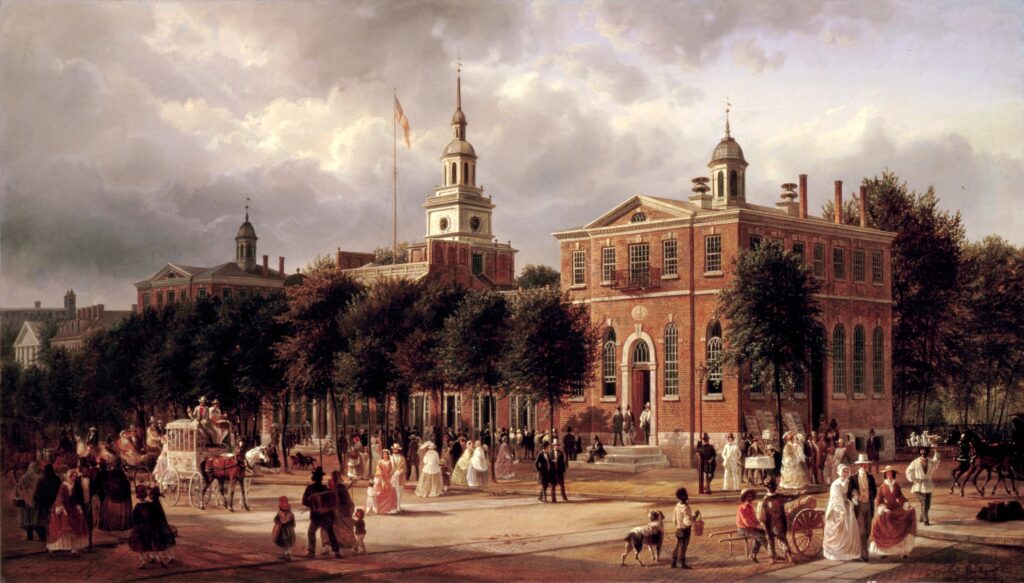
The first annual commemoration of Independence Day took place in Philadelphia, featuring fireworks, bonfires, and concerts — setting the tone for the patriotic celebrations that would follow in the centuries to come.
Amid the ongoing Revolutionary War, the event also served as a critical morale booster. Festivities began with a public reading of the Declaration of Independence, followed by 13 cannon blasts fired in both the morning and evening — symbolizing the original 13 colonies and their unified stand for freedom.
1826: Deaths of John Adams and Thomas Jefferson

Both John Adams and Thomas Jefferson — Founding Fathers, former presidents, and central figures in the drafting of the Declaration of Independence — died on July 4, 1826, the 50th anniversary of the nation’s founding.
Though once fierce political rivals, Adams and Jefferson had reconciled in their later years, rekindling their friendship through a rich and reflective correspondence. Their shared passing on such a symbolic date remains one of the most poignant and poetic moments in American history.
1831: Death of James Monroe
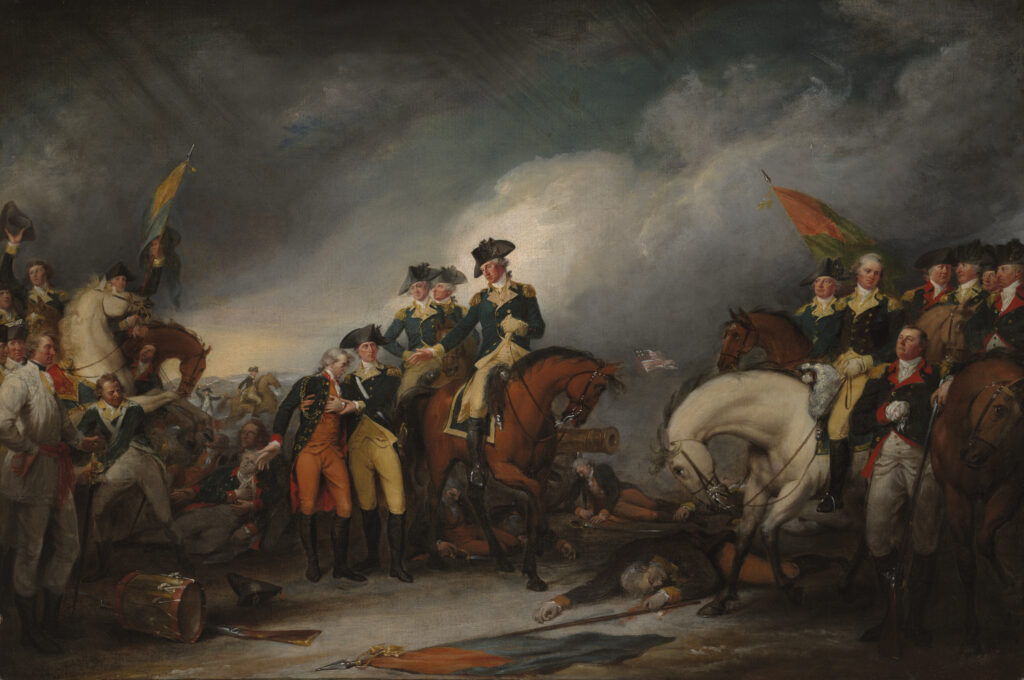
James Monroe, the fifth president of the United States, a Founding Father, and a combat-wounded veteran of the Battle of Trenton, also died on July 4 — five years after Adams and Jefferson — in 1831.
One of the most enduring legacies of Monroe’s presidency is the Monroe Doctrine, which asserted that the Western Hemisphere was closed to further European colonization and warned European powers against interfering in the affairs of newly independent Latin American nations. This bold declaration became a foundational pillar of American foreign policy for generations.
1863: Siege of Vicksburg
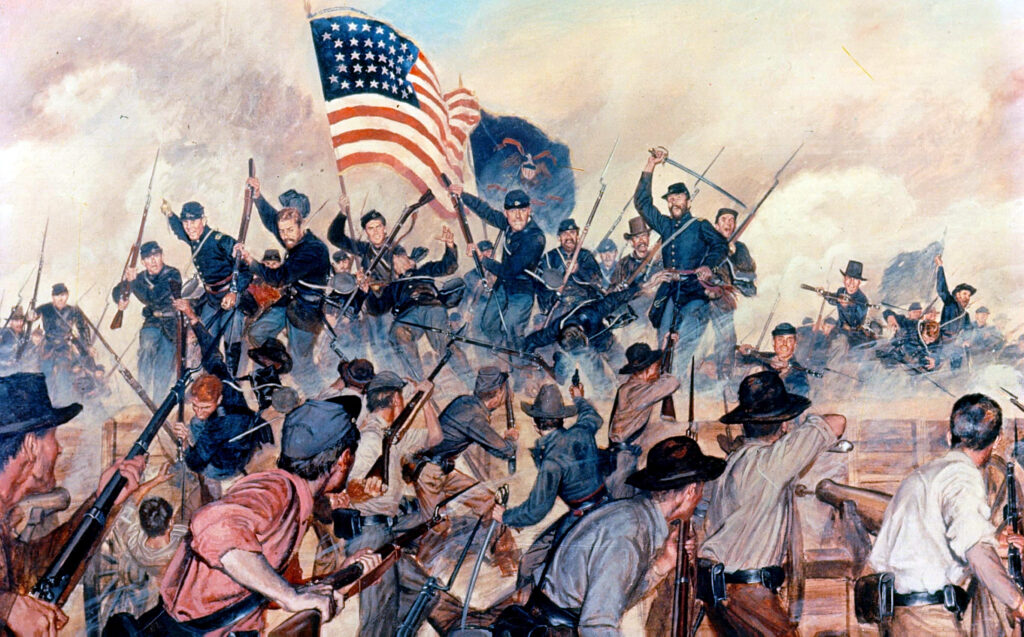
The Siege of Vicksburg ended on July 4, 1863, marking a pivotal turning point in the American Civil War and delivering a major strategic victory for the Union.
Following a grueling 47-day siege, Confederate General John C. Pemberton surrendered to Union General Ulysses S. Grant, giving the Union full control of the Mississippi River and effectively splitting the Confederacy in two.
Combined with the Union’s success at Gettysburg the previous day, the fall of Vicksburg marked a decisive shift in the Civil War, placing the strategic initiative squarely in Union hands.
1884: Statue of Liberty
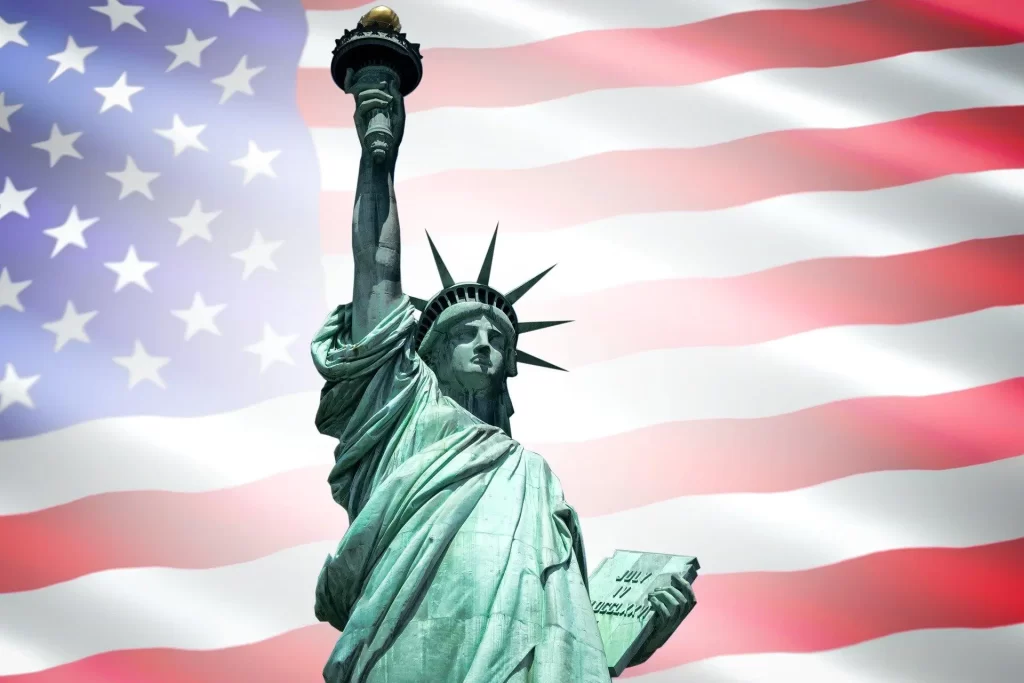
On July 4, 1884, the people of France formally presented the Statue of Liberty to the United States — a powerful symbol of freedom, democracy, and the enduring friendship between the two nations.
The statue was completed in France, then carefully disassembled and packed into 214 crates for shipment to the United States. Once stateside, it was reassembled atop a pedestal funded by American donations and constructed on Liberty Island in New York Harbor, where it would become one of the most iconic landmarks in the world.
1903: End of the Philippine-American War
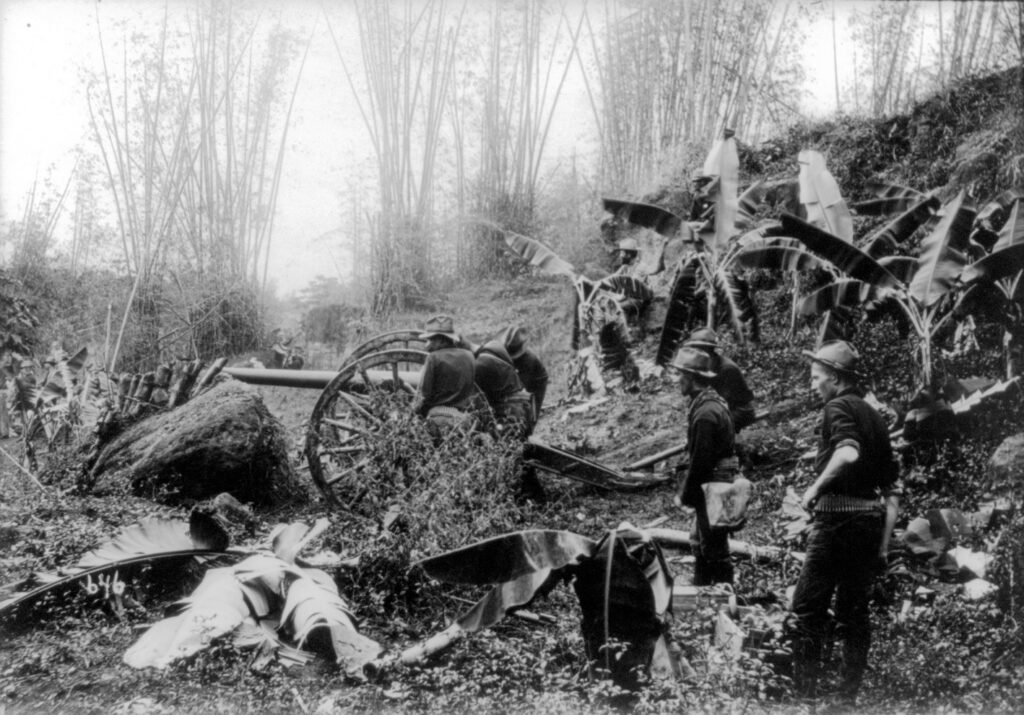
The Philippine–American War, a brutal conflict between the United States and Filipino revolutionaries, officially concluded on this day in 1903.
Its origins trace back to the aftermath of the Spanish–American War, in which the United States defeated Spain and expanded its overseas holdings. The Treaty of Paris, signed on Dec. 10, 1898, formally ended that war and ceded control of the Philippines, Guam, Puerto Rico, and Cuba to the United States. The transfer of sovereignty, however, was fiercely resisted by Filipino revolutionaries who had been fighting for independence from Spain and viewed American occupation as a betrayal.
Though largely forgotten today, the Philippine–American War exacted a staggering human toll. Historians generally agree on the following estimates:
- Filipino military casualties: Approximately 20,000 soldiers killed
- Filipino civilian casualties: Between 200,000 and 500,000 civilians, many of whom died from disease, starvation, and wartime devastation
- American military casualties: Approximately 4,200 soldiers killed
The war remains a sobering chapter in American history — one that complicates the narrative of liberty associated with July 4.
1911: Eastern North American Heat Wave
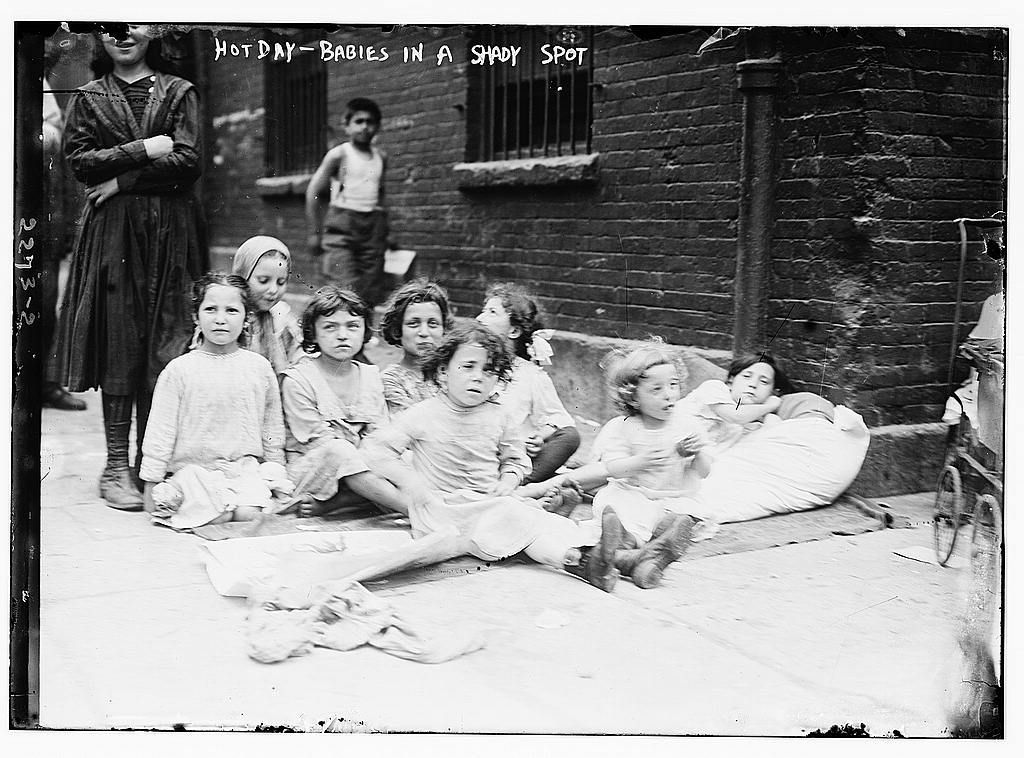
The 1911 Eastern North American heat wave — one of the deadliest and most intense in the continent’s history — struck from July 4 to July 13, 1911.
The extreme heat gripped much of the northeastern United States and parts of eastern Canada, with major cities like New York, Boston, and Philadelphia among the hardest hit.
The toll was devastating: estimates suggest up to 2,000 people died due to the extreme temperatures and related complications, including heatstroke and widespread infrastructure strain. The event remains a sobering reminder of nature’s power — and the vulnerability of urban populations before the advent of modern climate control.
1939: Lou Gehrig’s Farewell Speech
Despite being diagnosed with amyotrophic lateral sclerosis (ALS) — a rare, debilitating, and terminal illness that would later bear his name — Lou Gehrig delivered one of the most iconic speeches in sports history on July 4, 1939, at Yankee Stadium. Forced into retirement at just 36, Gehrig stunned the crowd by calling himself “the luckiest man on the face of the Earth.”
A cornerstone of the New York Yankees dynasty, Gehrig helped lead the team to six World Series championships and was selected to the All-Star team seven consecutive times from 1933 to 1939.
His farewell address remains a timeless moment of grace and courage, inspiring generations of people facing life-altering adversity.
1982: Space Shuttle Program Becomes Official
On July 4, 1982, Columbia touched down at Edwards Air Force Base, completing the STS-4 mission — the final test flight of the Space Shuttle program. The flawless landing gave President Reagan the green light to officially declare the Shuttle fleet fully operational.
2004: Freedom Tower Cornerstone Laid
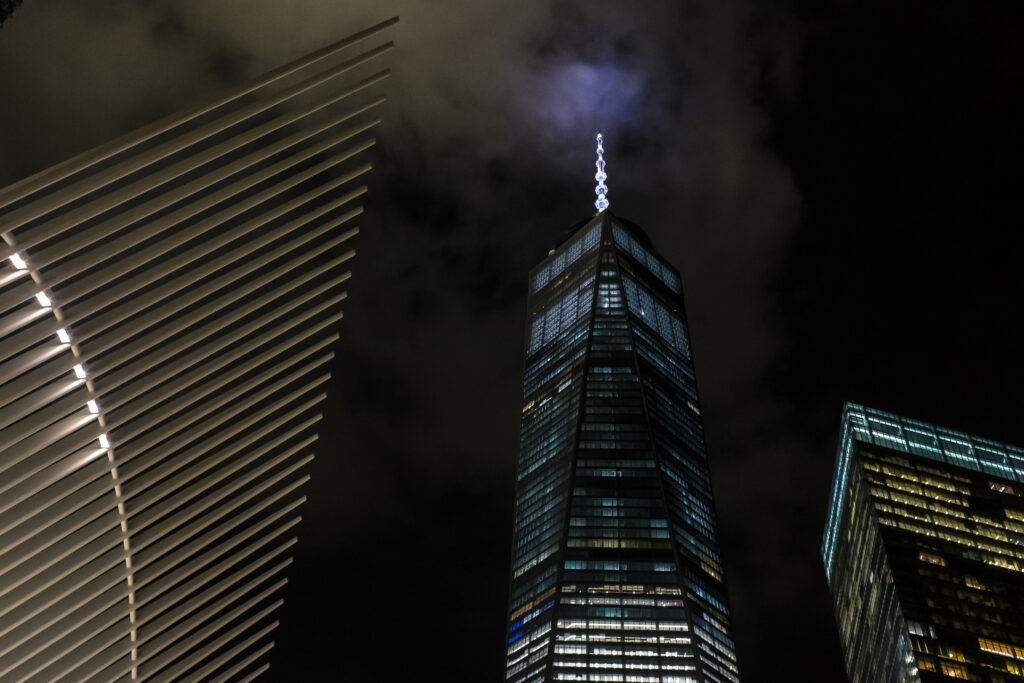
On July 4, 2004, the cornerstone of the Freedom Tower — now known as One World Trade Center — was laid, marking a powerful milestone in the reconstruction of the World Trade Center site following the Sept. 11, 2001, terrorist attacks.
The ceremony was attended by prominent dignitaries, including New York Governor George Pataki, New Jersey Governor James McGreevey, and New York City Mayor Michael Bloomberg.
The 20-ton granite cornerstone was inscribed with the words: “To honor and remember those who lost their lives on September 11, 2001, and as a tribute to the enduring spirit of freedom.” Its placement stood as a solemn symbol of resilience, remembrance, and the nation’s determination to rebuild and move forward.
READ NEXT: Trump Finally Restores What Biden Broke In The Military