


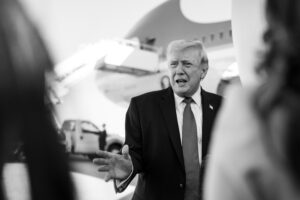
In a post over the weekend on Truth Social, President-elect Donald J. Trump suggested that if Panama takes actions contrary to American cooperation and interests, he would push to return the Panama Canal to U.S. control. The statement has reignited debates about the canal’s strategic importance and America’s historical involvement in its construction and operation.
The Hill reports:
Trump vowed swift action over the matter after he takes office in less than one month.
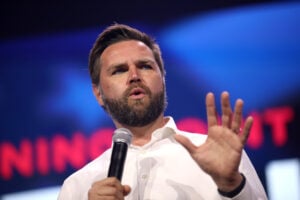
“It was given to Panama and to the people of Panama, but it has provisions, you gotta treat us fairly and they haven’t treated us fairly,” Trump said at Turning Point’s “American Fest.”
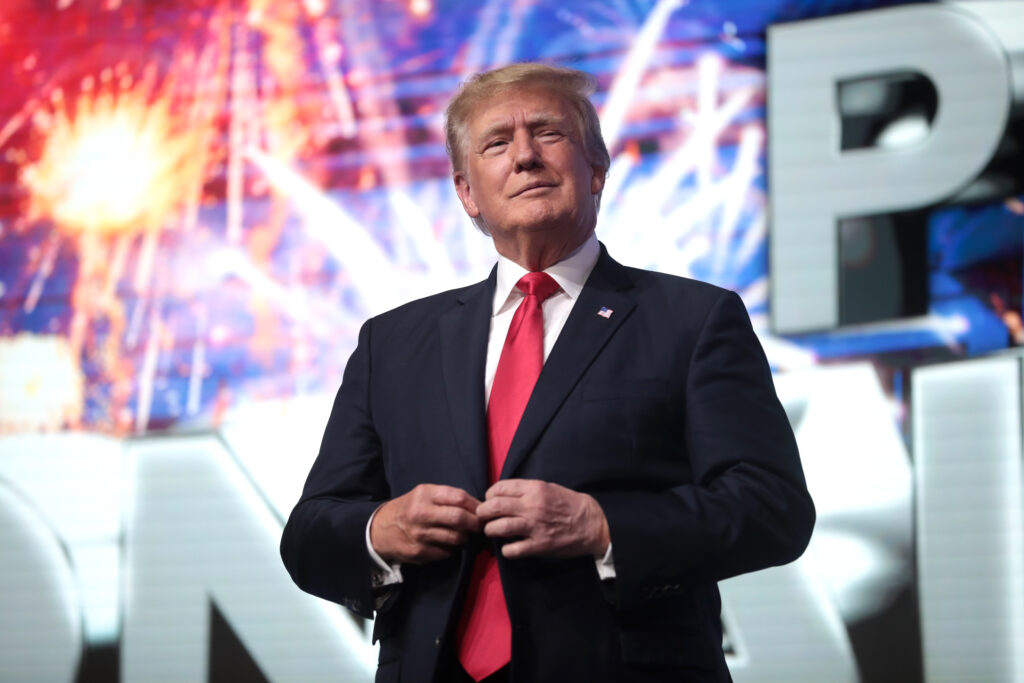
“If the principles, both moral and legal, of this magnanimous gesture of giving are not followed, then we will demand that the Panama Canal be returned to the United States of America in full, quickly and without question,” he added, using similar language to a post he made on Truth Social the day before.
When an audience member yelled out “take it back,” Trump replied: “That’s a good idea.”
The president-elect openly expressed frustration with the fees imposed for using the canal.
Historical Context: American Investment and Sacrifice
Supporters of Trump’s position argue that the canal, a cornerstone of U.S. influence in global trade and defense, was secured through American ingenuity and sacrifice. The U.S. constructed the canal after President Theodore Roosevelt championed the project in the early 20th century, citing its critical role in bolstering the nation’s economic and military power. Critics of the 1977 Torrijos-Carter Treaties, which facilitated the canal’s transfer to Panama in 1999, claim that the U.S. gave away a vital asset for minimal return.
The canal’s history reflects a complex interplay of economic interests and geopolitical strategy. After a failed French attempt in the 1880s, the U.S. assumed control of the project, supporting Panamanian independence from Colombia to secure construction rights. Completed in 1914, the canal became a vital artery for global commerce and U.S. naval operations. However, resentment over American control fueled nationalist movements in Panama, culminating in the eventual transfer of authority.
China’s Growing Influence in Panama
Concerns about foreign control of the canal have grown as China expands its presence in Panama. Since Panama established diplomatic ties with Beijing in 2017, Chinese investments have surged. The country joined China’s Belt and Road Initiative, opening the door to significant infrastructure projects, including the construction of a fourth bridge over the canal and port facilities near its entrances.
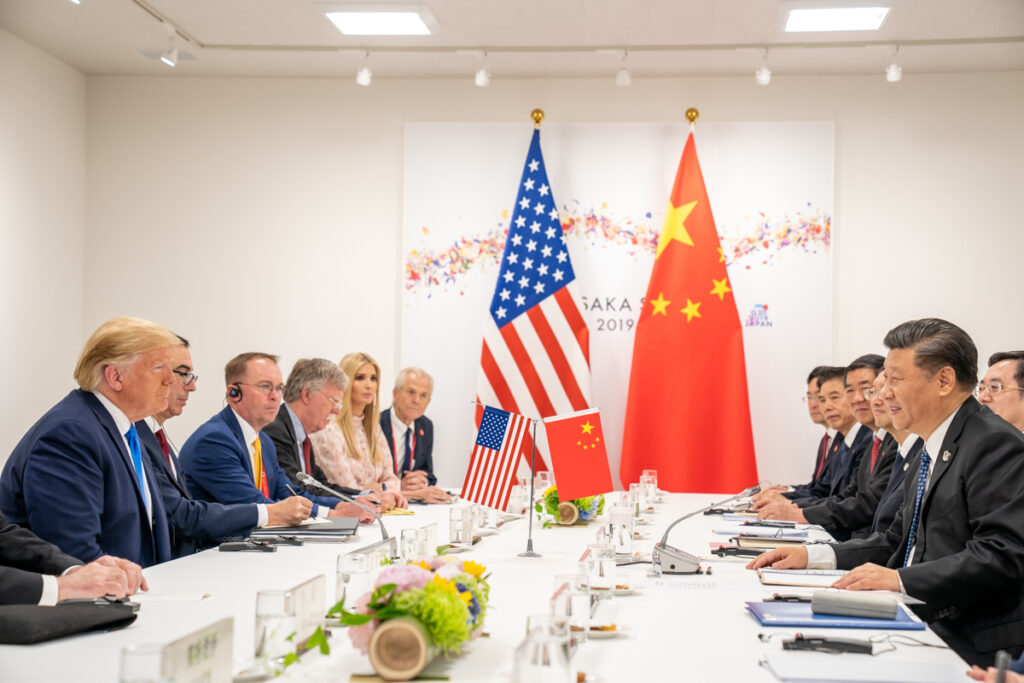
Chinese-linked firms now manage key logistics and port operations, raising strategic questions for the U.S. The canal facilitates roughly 6% of global trade, making it a critical chokepoint for international shipping. China’s growing influence has sparked fears that its involvement could challenge U.S. interests in the region.
A Symbol of U.S. Strength and Debate Over Sovereignty
The Panama Canal remains a symbol of U.S. engineering prowess and a flashpoint in debates over sovereignty and imperialism. While Panama has successfully managed the canal since the handover, Trump’s remarks underscore concerns about its strategic role amid shifting global power dynamics. With China’s increasing foothold in Panama and the broader Latin American region, Trump’s suggestion to reclaim the canal could mark a significant shift in U.S. foreign policy.
Whether this rhetoric translates into concrete policy remains to be seen, but it highlights the enduring importance of the Panama Canal as a nexus of economic and geopolitical competition. The canal’s history serves as a reminder of the sacrifices made to secure America’s global position—a legacy many believe must be defended in the face of new challenges.
READ NEXT: Gaetz’s Legal Case Explodes Spectacularly – What It Means











Thank you Jimmy Carter for giving the canal away. Just another Dim ocrat working “for the people.”