


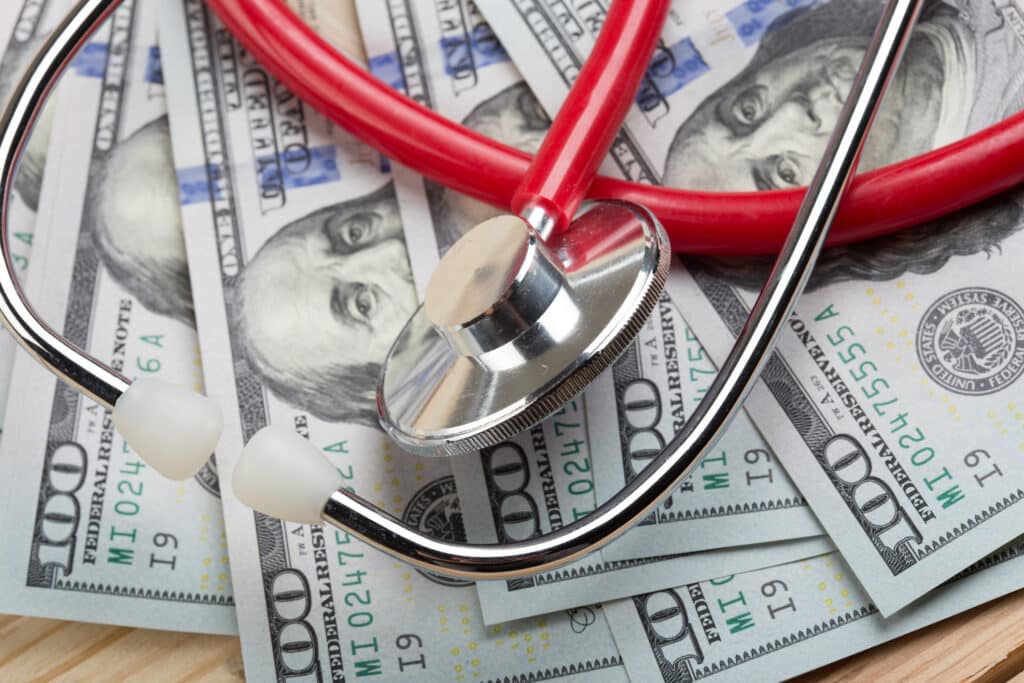
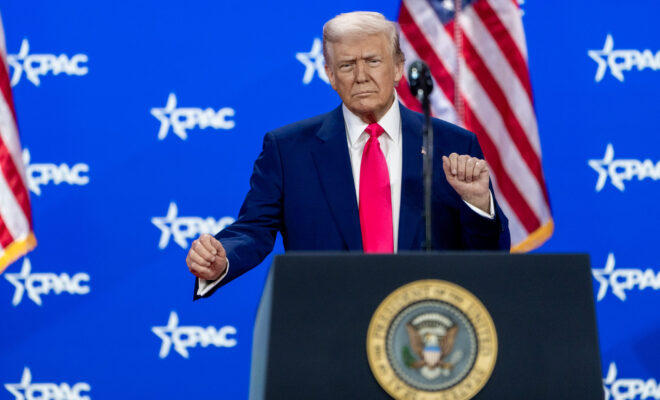
The recent executive order signed by President Donald Trump to withdraw the United States from the World Health Organization (WHO) raises serious questions about the future of the organization and its ability to function without the support of its largest financial contributor. Trump’s decision, which follows long-standing criticism of the WHO’s handling of the COVID-19 pandemic, particularly its deference to China, has brought renewed focus on the organization’s challenges.
The U.S. withdrawal, which was confirmed just days ago, marks the culmination of tensions between the Trump administration and the WHO, rooted in concerns about the organization’s fairness, effectiveness, and transparency.
One of the primary reasons behind Trump’s decision to sever ties with the WHO is the organization’s response to China’s handling of the COVID-19 outbreak. As the pandemic unfolded in early 2020, evidence began to surface that Chinese authorities had not been forthcoming about the severity of the virus and had actively suppressed information about the outbreak in Wuhan. According to reports, Chinese officials were aware of human-to-human transmission of the virus as early as December 2019 but delayed notifying the international community.
Despite mounting evidence of China’s secrecy and mishandling of the crisis, the WHO praised Beijing’s efforts, calling their response “aggressive” and “ambitious.” WHO Assistant Director-General Bruce Aylward even publicly lauded China’s response, despite the fact that crucial early data was either withheld or manipulated. WHO’s reluctance to challenge China became a central point of contention for Trump and others, who saw it as a failure of leadership that put global health at risk.
As an investigation into the origins of COVID-19 continued, the WHO’s second mission to Wuhan further fueled suspicions of Chinese influence. A report from the WHO’s team concluded that the possibility of a lab leak origin for the virus was “extremely unlikely,” a finding that many experts, including those from the U.S., questioned due to the limited access the team had during their investigation. China’s strong political presence on the WHO’s mission raised concerns about the independence and integrity of the investigation, leading to even greater skepticism.
Now that Trump has withdrawn the U.S. from the WHO, questions about the organization’s survival loom large. Health care consultant Kathleen Sebelius, who served as the Secretary of Health and Human Services under President Obama, warned that the U.S. departure could lead to the organization’s collapse.
In a speech on January 26, President Trump signaled that he would consider rejoining the WHO, but only if the organization undergoes substantial changes.
The future of the WHO hangs in the balance. While some, like health policy experts Jamie Metzl, argue that the U.S. should remain engaged with the organization to counterbalance China’s influence, others believe the organization has failed in its most basic functions. Critics argue that the WHO has become too politically compromised and too dependent on private funders like the Bill & Melinda Gates Foundation, whose interests are often tied to the pharmaceutical industry.
READ NEXT: Trump Plans To Pull Out Of WHO Immediately After Taking Office









WHO, similar to the UN, is mostly political, seeking to form a worldwide sphere of influence, leading to a one world government. The latter is a mostly anti-Israel organization. END BOTH THE WHO AND THE UN.
How about the UN next OK
WHO’s performance during Covid was like the early press coverage of Hunter Biden’s lap top. My tax dollars into the smelly dumpster. No thanks. Reminds me of the UN, another real winner in the international organization arena, accountable not to citizens, but to funders and wiggling away.
Good article Seijah. I, personally, would like the WHO to fold as it is way too political in my view. Perhaps if substantial changes were made as President Trump has requested, then we could join again. But only if other nations put in their ‘fair share’ as the term goes. I guess we will see.