

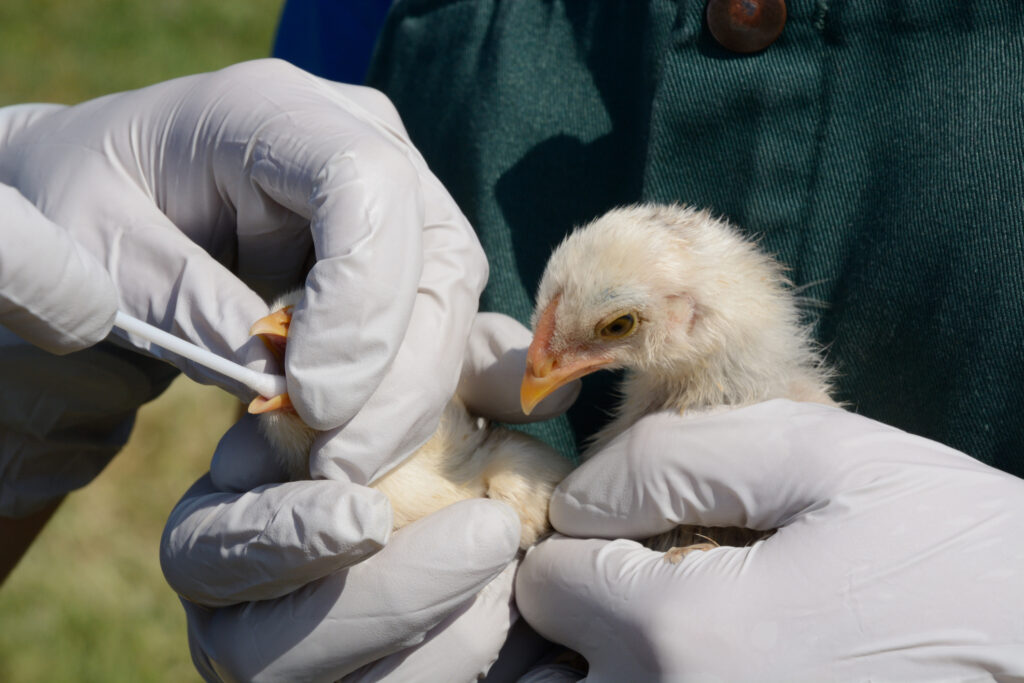
The Centers for Disease Control and Prevention (CDC) has reported the first severe case of bird flu, or avian influenza, in the United States exhibiting concerning mutations. This revelation has prompted experts to warn about the potential for another pandemic should the virus adapt to enable easier human-to-human transmission.
Infectious disease specialist Dr. Dean Blumberg explained the concern, stating, “The virus may mutate and become more easily transmitted person to person. The more this virus circulates and specifically co-circulates with human strains, the higher the odds of the virus evolving for greater human-to-human transmission. That, of course, could signal another pandemic.”
JUST IN: CDC announces first severe case of Bird Flu showing mutations, prompting "experts" to warn that we may see another pandemic.
— Collin Rugg (@CollinRugg) December 28, 2024
"The virus may mutate and become more easily transmitted person to person," said infectious disease expert Dr. Dean Blumberg.
"The more this… pic.twitter.com/ynNZfPaD4g
Avian influenza is highly contagious among bird populations, spreading swiftly through saliva, nasal secretions and feces. It has caused significant outbreaks in poultry and wild bird populations globally. While bird flu poses a lower immediate threat to humans, rare instances of infection have been reported.
Most human cases occur through direct or close contact with infected birds, their droppings or contaminated environments, such as live bird markets. However, some strains, including H5N1 and H7N9, have infected humans, occasionally resulting in severe illness.
Experts emphasize that human-to-human transmission of bird flu is exceedingly rare and, so far, unsustainable in widespread outbreaks. Such transmission usually requires prolonged and close contact, such as caregiving without adequate protective measures. This rarity has kept bird flu from becoming a broader public health crisis—at least for now.
The potential danger lies in certain avian flu strains that have high fatality rates in reported human cases. The H5N1 strain, for example, has a mortality rate estimated at 50–60%, while the H7N9 strain, though less lethal, still poses a significant risk.
While human-to-human transmission remains limited, the CDC and health experts urge continued surveillance of avian influenza. Preventing the virus from spreading widely among humans is critical to avoiding another global health emergency.
READ NEXT: Trump Seeks Supreme Court Intervention As Legal Chaos Mounts





















Are these the same experts that warned us about the china flu?
Here we go again, the WHO and the UN, trying to create another pandemic SCARE, using Birds now, Really???
And here we go again with the scare tactics. Is that what you people want? You want masks again that do nothing, you want to sequester yourselves, you want to harm kids again with masks, and you want business to close again? And the CDC has no credibility. Please do not fall for this again.