






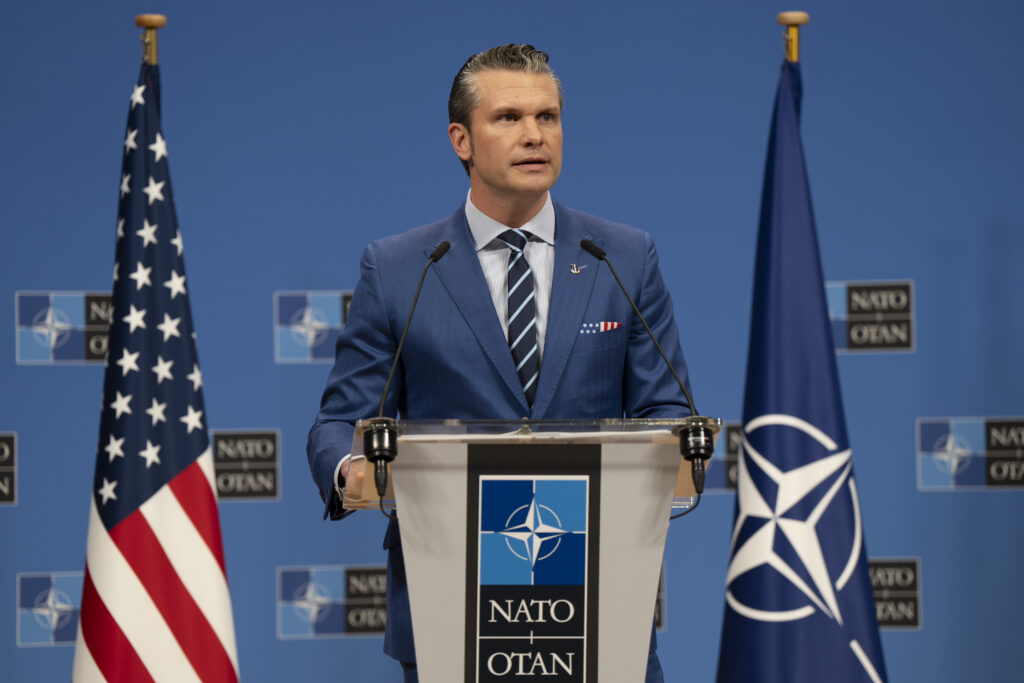
The Department of Defense has been directed to draft plans for substantial budget reductions, aiming to cut approximately 40% of military spending by 2030. The cuts, mandated by Secretary of Defense Pete Hegseth, will be phased in at an annual rate of 8% over the next five years.
Strategic Realignment Amid Growing Global Threats
The United States’ defense budget reached nearly $850 billion in 2025, a sharp increase from the mid-2010s as the U.S. responded to escalating threats from China and Russia. Both adversaries continue to expand their defense expenditures, raising concerns about the implications of U.S. budget reductions.
Despite these global tensions, the administration’s approach aligns with President Trump’s “peace through strength” doctrine. The goal is to enhance military readiness by eliminating spending on diversity initiatives and climate-related projects, while reallocating resources to core defense priorities.
Key Exemptions and Priorities
The Pentagon must submit its proposed cuts by next Monday. However, the Trump administration has placed 17 key defense spending areas off-limits, including:
-U.S.-Mexico border operations
-Nuclear weapons modernization
-Missile defense systems
-Acquisition of submarines, one-way attack drones and other munitions
-Military construction projects in the Pacific
-Collaborative Combat Aircraft program (unmanned-piloted aircraft integration)
A senior official, speaking anonymously to The New York Times, suggested that the cuts are designed to redirect existing Pentagon funds toward administration-favored programs, rather than reducing the Defense Department’s $850 billion annual budget:
Any cuts to the defense budget may face opposition in Congress, where lawmakers often focus on budget cuts that could affect their districts.
The Pentagon is also bracing for proposed cuts to its work force, and has already been asked to hand over to the Trump administration lists of probationary employees who could be laid off.

A senior military official said on Wednesday that Elon Musk’s so-called Department of Government Efficiency had expressed interest in moving full-time Pentagon employees to contract positions so that they would be easier to fire.
On social media on Tuesday, Mr. Hegseth shared a post from Mr. Musk’s team saying that it was looking forward to eliminating “waste, fraud and abuse.”
“DOGE the waste; Double-Down on warriors,” Hegseth posted.
Fiscal Restraint and Reinvestment
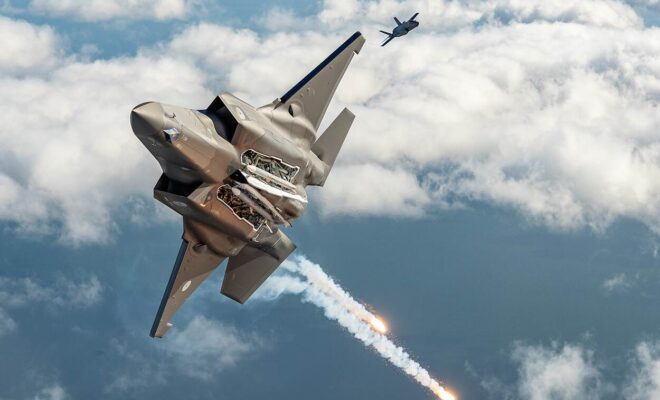
Despite internal concerns, this initiative aligns with a broader effort to streamline government spending, championed by influential figures like Musk. Critics of excessive military expenditures, including Musk, have pointed to costly programs like the F-35 fighter jet as examples of inefficient defense spending.
At the same time, the administration is prioritizing countering China as a central defense objective. By focusing savings on strategic military advancements, such as border security and technological warfare capabilities, the Pentagon seeks to maintain global deterrence without unnecessary financial burdens.
Balancing Cuts with Security Needs
While some analysts warn that reducing the budget at this scale could impact military readiness, supporters argue that optimizing spending will strengthen the U.S. Armed Forces. Supporters of the president’s realigned priorities argue that Hegseth is right on track by slashing unnecessary defense spending and focusing on modernizing our military and prioritizing real deterrents.
The coming months will be critical in determining how the Pentagon restructures its allocations to ensure national security remains protected.
READ NEXT: Liberal News Leader Resigns Out Of Nowhere – Is Trump Involved?






















Nice