


The Trump administration is preparing to launch a sweeping initiative to eliminate artificial food dyes from the American food supply, marking a significant shift in federal food safety policy to protect public health — especially that of children.
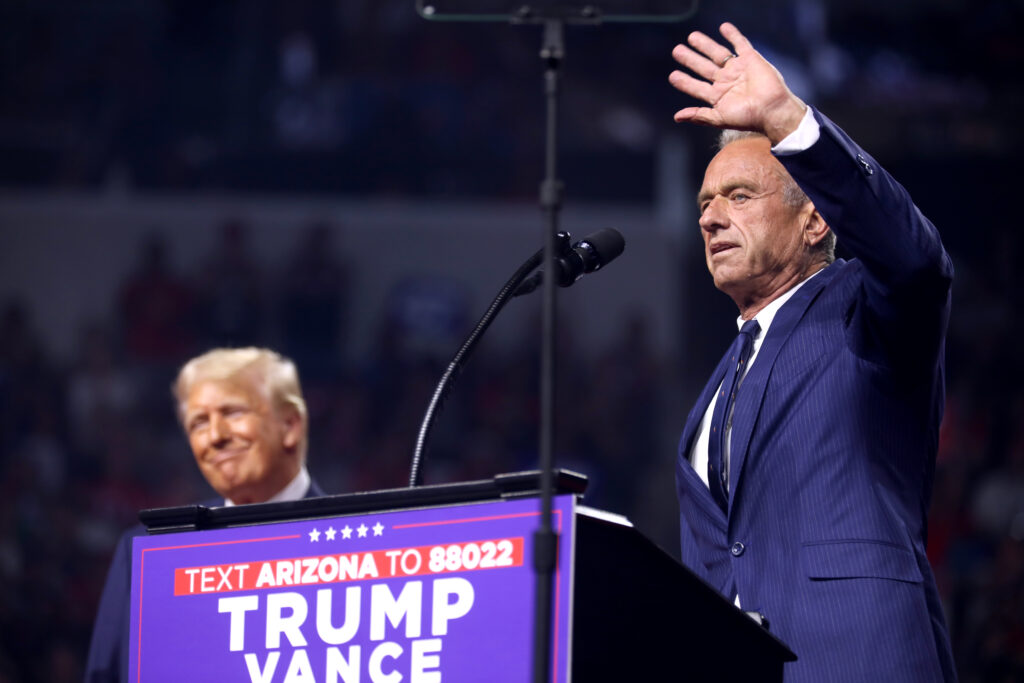
In a media advisory released Monday by the U.S. Department of Health and Human Services (HHS), officials confirmed that HHS Secretary Robert F. Kennedy Jr. and FDA Commissioner Dr. Marty Makary will unveil the administration’s new regulatory approach during a press briefing Tuesday.
It signals a dramatic acceleration of efforts to phase out petroleum-based synthetic food dyes, substances commonly used to enhance the visual appeal of processed foods, but which have come under intense scrutiny for their links to cancer, hyperactivity in children, and other potential health issues.
The anticipated action builds on earlier efforts by the FDA, which had banned red dye No. 3 in January days before Trump returned to office after decades of scientific warnings. The dye had long been linked to tumors in animal studies but remained on the market in food products until this year.
Now, under the Trump administration, the federal government is reportedly preparing to expand restrictions to cover a broader list of artificial dyes, including red No. 40, blue No. 2, green No. 3, yellow No. 5, and yellow No. 6 — all of which have been associated with behavioral and health concerns in both animal and human studies.
“This is an easy one,” said Marion Nestle, a leading public health nutritionist. “Non-petroleum substitute dyes are available and used widely in other countries by the same companies that sell products here. Companies have been promising to get rid of the petroleum dyes for years. The time has come.”
Secretary Kennedy, who has been vocal about the dangers of synthetic dyes, notably joined West Virginia Governor Patrick Morrisey in March to support the nation’s first state-level ban on synthetic food dyes. That law catalyzed a wave of bipartisan efforts across the country, with over half of U.S. states now considering similar legislation, according to the Environmental Working Group.
Food industry groups, including the National Confectioners Association and the Consumer Brands Association, have called for a consistent national policy, rather than a confusing patchwork of state bans. These groups argue the FDA should remain the sole authority on food safety regulation.
Critics of the food dye ban argue that more research is needed and that current evidence is not conclusive for all synthetic dyes. However, public health advocates say the risks — especially for children — are clear and action is long overdue.
Artificial dyes are most often found in low-nutrient products such as candy, soft drinks, snack foods, and brightly colored cereals — though they may also be hidden in products that appear less suspicious. Experts recommend that consumers read food labels carefully to identify and avoid these additives.
Despite growing concern over artificial food dyes, critics say federal action has long lagged behind science and public sentiment. The U.S. has fallen behind other countries — such as those in the European Union — where many synthetic dyes have already been banned or phased out and replaced with natural alternatives.
Tuesday’s announcement is expected to detail the timeline, scope, and enforcement mechanisms for the nationwide phaseout of synthetic dyes. If enacted swiftly, it would represent one of the most significant food policy moves in recent U.S. history.
READ NEXT: RFK Jr. Pushes For Whole Foods In Schools