British forces track covert operation in North Atlantic…
The British military spent more than a month tracking three Russian submarines operating near sensitive undersea infrastructure in the North Atlantic, Defense Secretary John Healey said Thursday, in what officials believe was a covert surveillance mission.
Working alongside Norway, U.K. forces monitored the vessels around the clock before ultimately forcing them to withdraw. No damage was reported. Still, officials say the episode sends a clear signal about growing risks below the surface.
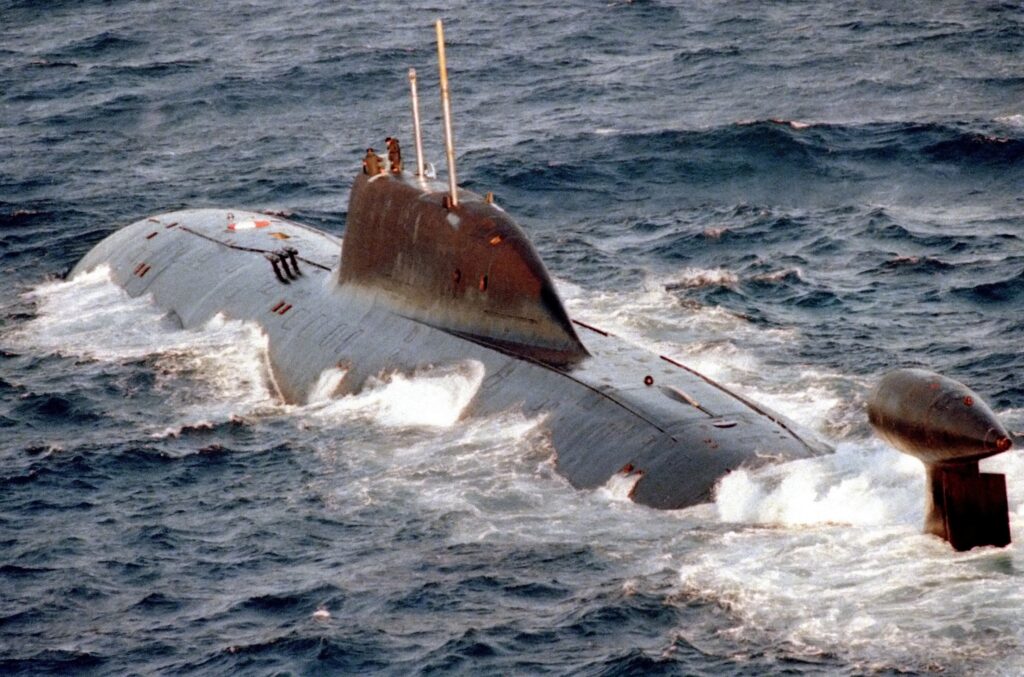
According to British officials, the group included one Akula-class nuclear-powered attack submarine and two specialized deep-sea vessels tied to Russia’s undersea research unit.
The submarines stayed within the U.K.’s exclusive economic zone, not its territorial waters, but close enough to raise alarms. Officials say they lingered near fiber-optic cables and energy pipelines, areas that carry enormous strategic value.
These systems are easy to overlook. They sit on the ocean floor, out of sight. But they handle most of the world’s data and a large share of energy supply into the U.K.
Defense officials say the submarines’ behavior followed a familiar pattern. They appeared to be mapping communication cables, surveying pipelines, and gathering data consistent with pre-conflict reconnaissance.
In other words, not an attack, but preparation.
The infrastructure itself remains intact. What concerns officials more is what the activity suggests. Mapping these systems in advance could make them easier to disrupt in a future crisis.

The response was deliberate and sustained.
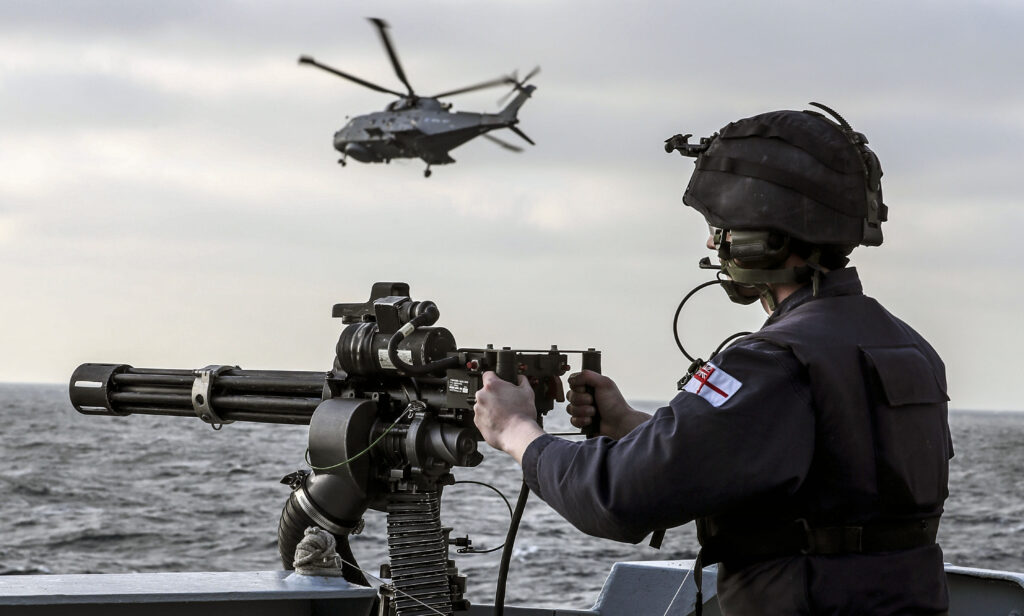
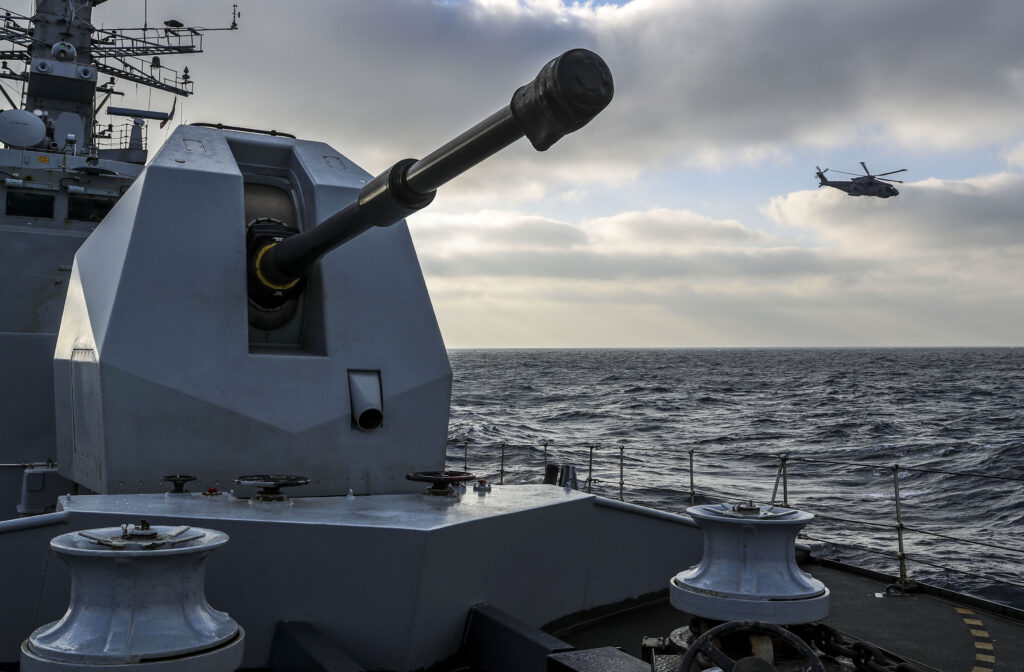
The Royal Navy deployed HMS St Albans, a Type 23 frigate, while RAF P-8 surveillance aircraft conducted long-range patrols. Norway provided additional support. In total, about 500 personnel were involved.
The operation relied on constant monitoring, including the use of sonobuoys to track underwater movement. The frigate sailed thousands of nautical miles. RAF aircraft logged more than 450 flight hours.
Healey said the goal was not just to track the submarines, but to make clear they had been seen.
“We see your activity,” he said. “And it will not be tolerated.”
All three submarines eventually headed north and left the area.
British officials noted the activity took place while global attention was focused on the Middle East. That timing may not be accidental.
Western officials increasingly describe this kind of behavior as part of a broader “hybrid warfare” approach. It falls short of open conflict but still tests defenses and probes vulnerabilities.
That includes cyber operations, infrastructure surveillance, and covert maritime activity like this.
Undersea cables carry more than 95% of international data traffic. Pipelines deliver essential energy. Both are difficult to monitor and relatively easy to damage.
Each year, roughly 100 to 150 cables are accidentally severed, often by fishing equipment or ship anchors. The concern now is intentional disruption.
A targeted attack could disrupt communications, financial systems, or energy supplies with little warning.
These kinds of operations also create uncertainty. By staying in the gray area between peace and conflict, they complicate decision-making and test how quickly governments respond.

The incident also drew mixed reactions online. Some questioned whether the U.K.’s response was enough to deter future activity, pointing to the Royal Navy’s limited size and broader concerns about Europe’s defense posture.
Bottom line
British and Norwegian forces tracked three Russian submarines near critical infrastructure in the North Atlantic. Officials say the vessels were likely conducting surveillance, not attack operations. No damage was done.
But the episode underscores a larger issue. The most important systems are often the least visible, and they are becoming a growing focus of strategic competition.
READ NEXT: Bombshell New Messages Surface In Nancy Guthrie Disappearance