

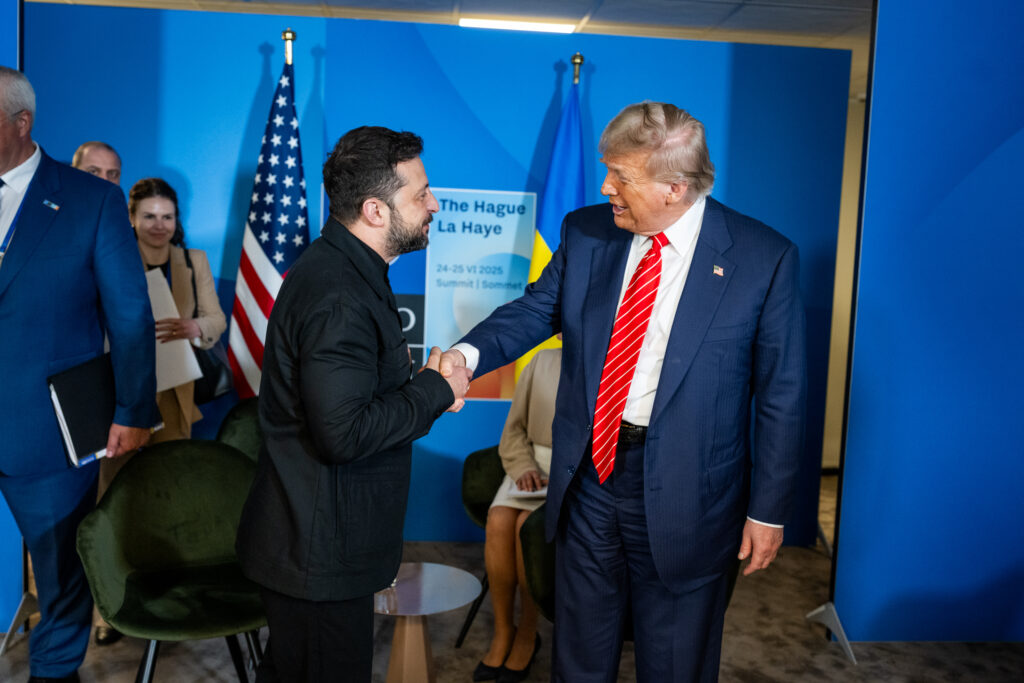
Long-range campaigns expand as Trump weighs deeper support and Russia warns of escalation.
Since mid-2025, the U.S. has quietly been providing Ukraine with extensive intelligence to support long-range strikes inside Russian territory — particularly targeting energy infrastructure such as oil refineries, power plants, and fuel distribution nodes. According to reporting from Financial Times over the weekend, this includes detailed route planning, timing windows, target vulnerabilities, optimal flight altitudes, and guidance on evading Russian air-defense systems:
The previously unreported support has intensified since midsummer and has been crucial in helping Ukraine carry out attacks that Joe Biden’s White House discouraged. Kyiv’s strikes have driven up energy prices in Russia and prompted Moscow to cut diesel exports and import fuel.
The intelligence sharing is the latest sign that Trump has deepened his support for Ukraine as his frustration with Russia has grown.
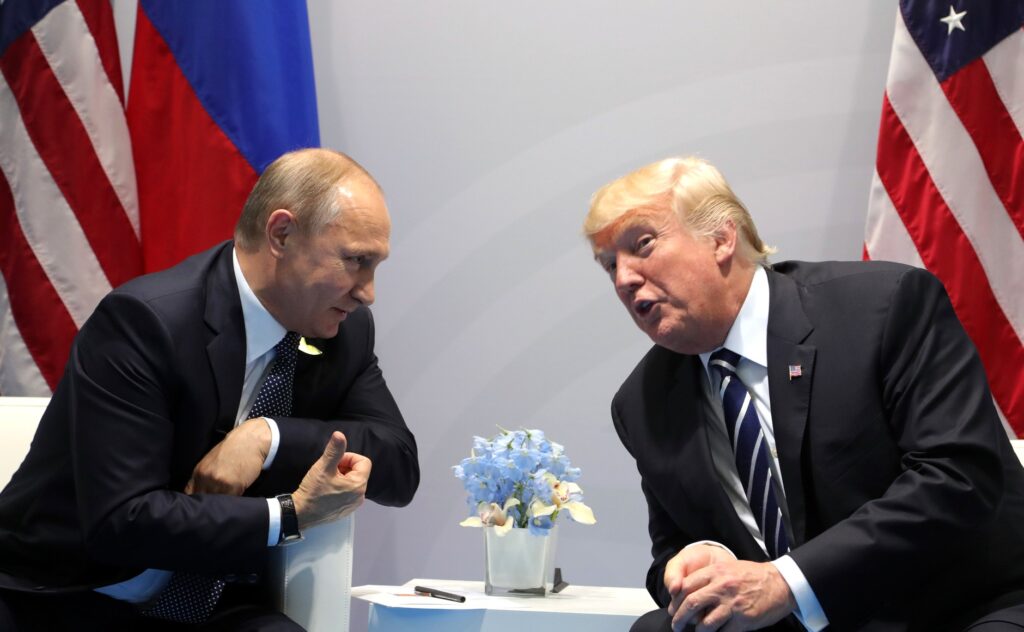
The shift came after a phone call between Donald Trump and Volodymyr Zelenskyy in July, when the FT reported the US president asked whether Ukraine could strike Moscow if Washington provided long-range weapons.
Trump signalled his backing for a strategy to “make them [Russians] feel the pain” and compel the Kremlin to negotiate, said the two people briefed on the call. The White House later said Trump was “merely asking a question, not encouraging further killing”.
While Kyiv retains control over target selection, the intelligence is enabling more complex and ambitious operations than Ukraine could conduct on its own. Washington is not directly choosing targets, but the support is increasingly shaping the effectiveness of Ukraine’s strategic reach.
Separate reporting indicates that Trump has authorized the intelligence community and the Pentagon to provide specific target data to Ukraine for strikes against Russian energy assets — a notable shift from previous policy constraints.
Missiles Under Review for Deeper Reach
The U.S. is also evaluating whether to supply Ukraine with long-range missile systems such as the Tomahawk and Barracuda. These systems would significantly expand Ukraine’s strike radius, potentially placing at least 1,945 known Russian military-related assets — including 76 air bases — within range, according to internal Pentagon assessments.
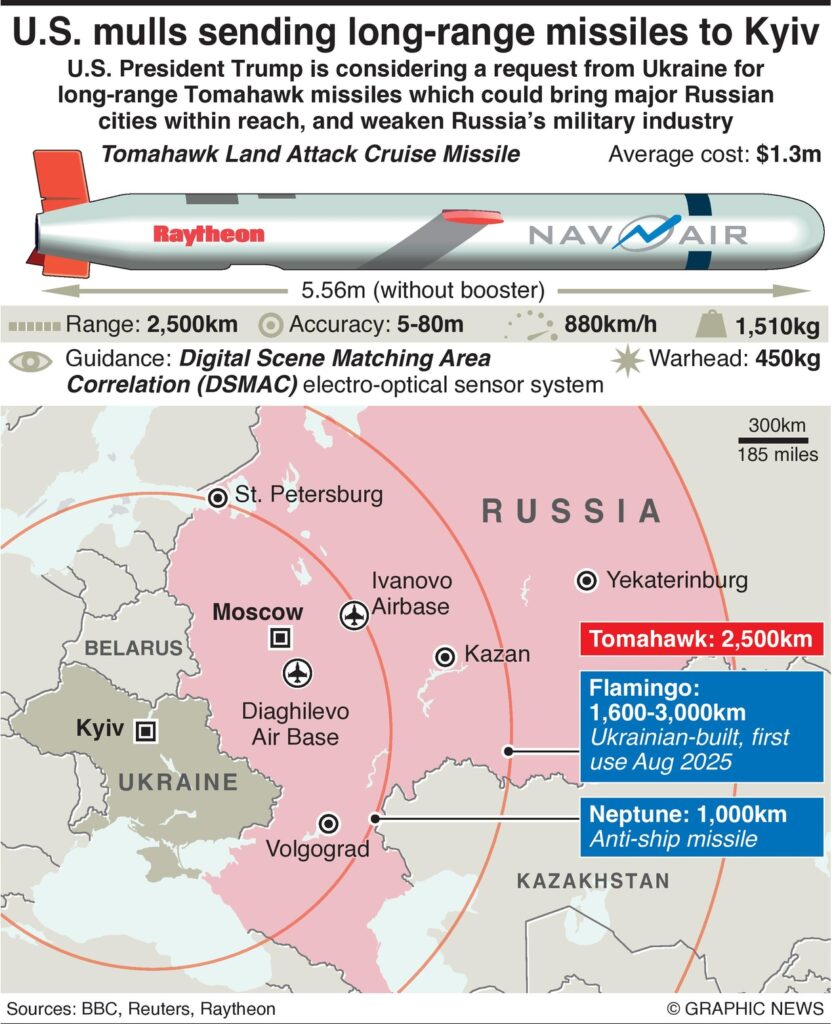
While no delivery has been confirmed, officials suggest the decision hinges on how Ukraine intends to employ these systems.
Meanwhile, Trump has said he wants to review how Ukraine plans to employ longer-range weapons before approving their use, signaling a more cautious approach.
Strategic Impacts Already Felt
The strikes already carried out appear to have had material impact. Multiple intelligence estimates suggest Russian refined fuel production capacity may have been cut by as much as 20% in some regions. Diesel exports have reportedly been disrupted, forcing Moscow to seek alternative supply routes or imports — a rare reversal for a country that has historically exported energy at scale.
These outcomes align with Ukrainian President Volodymyr Zelensky’s strategy, which he has described as “long-range sanctions.” His stated objective is to degrade Russia’s economic base, not just its military footprint. Zelensky argues that reducing energy revenues weakens Russia’s ability to sustain its war effort.

Moscow Pushes Back
The Kremlin has responded forcefully. Russian officials accuse Washington of escalating the conflict by enabling attacks deep inside Russian territory. Moscow has warned that U.S. intelligence involvement moves the U.S. closer to direct participation in the war and could prompt retaliation.
So far, Russia’s response has centered on gray-zone tactics, though more aggressive military options remain possible — including intensified strikes on Ukrainian infrastructure or sabotage outside Ukraine’s borders. (RELATED: Chernobyl Loses Power In Drone Strike; Ukraine Blames Russia For Nuclear Risk)
Why Energy Infrastructure?
Ukraine’s strategy is built on several factors:
- Economic pressure: Russia’s war machine is funded heavily by energy exports. Damaging refinery capacity, distribution lines, and storage facilities disrupts key revenue flows.
- Logistics degradation: Reduced fuel availability complicates troop movements, supply chains, and battlefield readiness — particularly for mechanized units.
- Psychological signaling: Striking far from the front line sends a message that Russian territory is not immune from consequences, potentially shifting internal political dynamics.
Risks and Trade-Offs
The approach comes with significant risks:
- Escalation: Russian retaliation could broaden the conflict. Infrastructure in Ukraine — or even in supporting NATO countries — could become targets.
- Legal ambiguity: Many energy targets are dual-use (civilian and military), raising questions under international law and increasing the risk of civilian casualties.
- Operational strain: Even with U.S. intelligence, Ukraine must deliver results — managing weapons platforms, airspace access, and defense suppression under constant threat.
- Alliance tension: European partners may balk at operations they see as destabilizing energy markets or risking direct confrontation with Russia.
- Russian resilience: Moscow has decades of redundancy built into its energy infrastructure. Damaged sites can often be bypassed or repaired, requiring sustained pressure to have lasting effects.
What Comes Next
Washington’s role is changing fast: from passive support to active involvement in enabling strategic strikes, moving beyond conventional battlefield assistance toward economic warfare that targets the financial base of Russia’s military power. Analysts caution, however, that the approach requires careful balance — aiming for effectiveness while avoiding escalation from a desperate regime.
Key developments to watch:
- Trump’s decision on long-range missile transfers.
- Russia’s potential response, militarily or diplomatically.
- European reaction to expanded Ukrainian operations inside Russian territory.
- Operational sustainability of Ukraine’s long-range campaign heading into winter.
READ NEXT: GOP Lawmaker Ignites Culture War With Columbus Day Bill


















Maybe the Author needs to read up on his subject? One of the first, and enduring targets has been energy production and distribution since the beginning of Russia’s Invasion. they still hold the Nuclear plant at risk. It’s been running emergency generators to maintain cooling for months. another partial energy blackout is going on right now!