

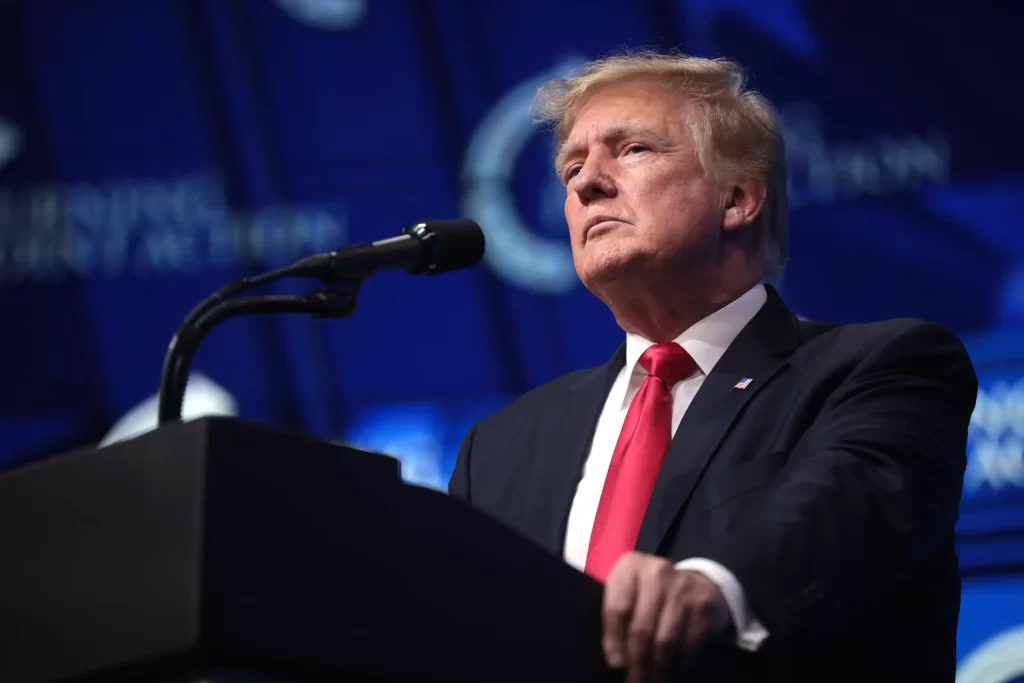
U.K. Prime Minister Keir Starmer is expected to declare that globalization has failed many working people and that Britain must chart a new course—one that acknowledges the appeal of protectionist trade policies, even if it doesn’t fully embrace them.
The remarks, set for Monday according to The Times, mark a notable shift in tone from the Labour leader, whose party has traditionally backed open markets and multilateralism. Starmer’s position appears aimed at striking a balance: recognizing the political traction behind U.S. tariffs without endorsing them outright.
“Globalisation doesn’t work for a lot of working people. We don’t believe trade wars are the answer. This is a chance to show that there’s a different path,” Starmer said.
A Downing Street official went further, stating:
“Trump has done something that we don’t agree with, but there’s a reason why people are behind him on this. The world has changed, globalisation is over and we are now in a new era. We’ve got to demonstrate that our approach, a more active Labour government, a more reformist government, can provide the answers for people in every part of this country.”
The comments come in response to President Donald Trump’s new tariff regime, including his decision to impose a 10% import duty on the U.K., a move that has rattled European allies and raised fears of renewed trade wars. While stopping short of endorsing tariffs, Starmer appears to be laying the groundwork for a more interventionist economic stance—one that could involve state support for struggling British industries.
A Strategic Shift
Starmer’s statement reflects growing pressure on Western leaders to respond to populist economic concerns. By recognizing the political reality behind Trump’s actions—rather than dismissing them as reckless—Starmer is signaling that his government won’t ignore voter frustration with the status quo.
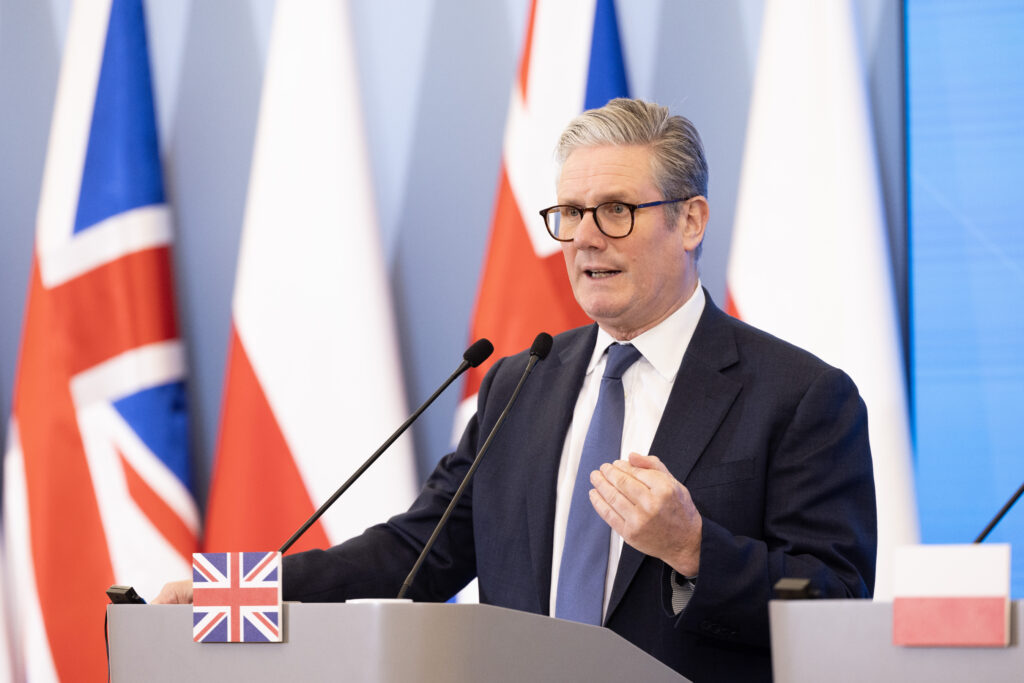
This pivot also underscores Labour’s evolving economic posture, moving away from blanket support of global free trade toward a more cautious, domestic-focused strategy. Whether this is a genuine policy shift or political triangulation remains to be seen.
The prime minister spent the weekend at his country residence in Buckinghamshire, holding talks with world leaders. On Saturday, he spoke by phone with French President Emmanuel Macron, and the two agreed that while a trade war is unwise, nothing should be off the table.
The Times continued, sharing reactions from around the world on Sunday:
While Starmer is not due to speak to Trump, other world leaders are beating a path to the president’s door. Japan’s prime minister, Shigeru Ishiba, said he planned to have a call with him after the White House announced a 24 per cent tariff on Japanese imports. Speaking on Yomiuri TV, Ishiba suggested that Japan would not hit back with retaliatory measures.
NEW: UK Prime Minister Keir Starmer to declare that globalization has failed, plans to show that he understands President Trump’s tariff decision.
— Collin Rugg (@CollinRugg) April 5, 2025
The announcement is set for Monday, according to The Times.
“Globalisation doesn’t work for a lot of working people. We don’t… pic.twitter.com/oYhqyG29m3
Binyamin Netanyahu will meet Trump at the White House tomorrow. Israel is one of about 60 countries to face steeper tariffs than Britain — with a 17 per cent levy on Israeli imports to the US due to come into effect on Wednesday. The meeting will mark the Israeli prime minister’s second visit to the White House since Trump took office.
As the global fallout from Trump’s tariffs continued, Elon Musk announced his support for tariff-free trade between the US, effectively breaking with the president. Musk, the face of the White House’s efforts to eliminate what supporters say is wasteful spending in government, addressed an event held by Italy’s right-wing deputy prime minister on Saturday.
“At the end of the day, I hope it’s agreed that both Europe and the United States should move, ideally, in my view, to a zero-tariff situation, effectively creating a free-trade zone between Europe and North America,” Musk said in a video-link interview with Matteo Salvini.
The Bigger Picture
Trump’s tariffs have already triggered a series of warnings from economists about the risk of a global recession. For the U.K., which is still dealing with post-Brexit trade adjustments, the stakes are high. Any disruption to exports or import costs could hit small manufacturers and key sectors hard.
Starmer’s move may help shore up political support at home—but it also adds to the broader rethinking of globalization among Western democracies. If both Washington and London are cooling on open markets, the global economic landscape could look very different in the years ahead.
READ NEXT: You’ll Never Believe How This Monster Criminal Was Finally Caught















Once again President Trump was right.