

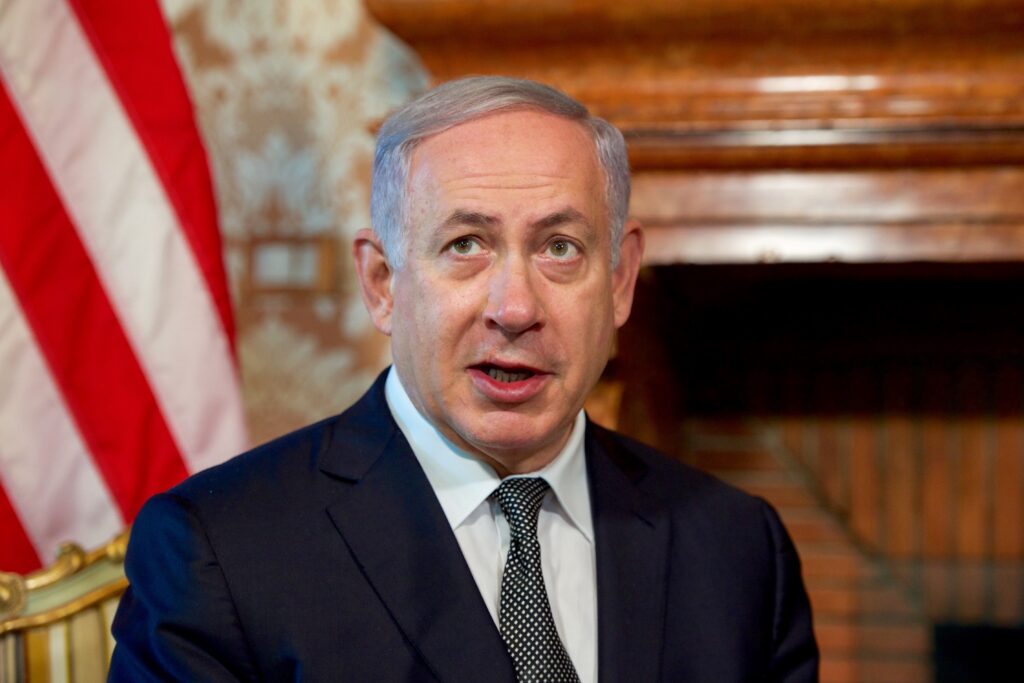
The long-running corruption trial of Israeli Prime Minister Benjamin Netanyahu has been postponed yet again, with the Jerusalem District Court citing national security and diplomatic concerns. The delay follows a classified security briefing and a high-profile intervention from U.S. President Donald Trump, who called the proceedings a “political witch hunt” and warned that American aid to Israel could be at risk if the case continues.
“It is terrible what they are doing in Israel to Bibi Netanyahu,” Trump wrote on his social media platform. “He is a War Hero, and a Prime Minister who did a fabulous job working with the United States to bring Great Success in getting rid of the dangerous Nuclear threat in Iran.”
Trump continued: “The United States of America spends Billions of Dollars a year, far more than on any other Nation, protecting and supporting Israel. We are not going to stand for this.”
“Thank you again, @realDonaldTrump. Together, we will make the Middle East Great Again!” Netanyahu replied.
Trump also argued that the trial was undermining Israel’s efforts to reach a hostage deal in Gaza, resolve the ongoing conflict with Hamas, and maintain a fragile truce with Iran.
The Jerusalem court’s decision came after a closed-door session over the weekend involving Netanyahu, Mossad Director David Barnea, and IDF Intelligence Chief Aharon Haliva. Sources familiar with the proceedings said the delay was prompted, at least in part, by sensitive intelligence tied to active security operations and diplomatic efforts, including negotiations with Hamas over hostages.
What Netanyahu Is Accused Of
Netanyahu, who has served as Israel’s longest-tenured prime minister, faces charges in three separate cases:
- Case 1000: Gifts for Favors
Allegedly accepted luxury gifts — cigars, champagne, jewelry — worth over 700,000 shekels (approx. $186,000) from businessmen Arnon Milchan and James Packer. Prosecutors say Netanyahu used his office to assist Milchan with visa issues and tax legislation. - Case 2000: Media Influence Deal
Accused of negotiating with Yedioth Ahronoth publisher Arnon Mozes to secure more favorable coverage in exchange for weakening a rival paper, Israel Hayom. Charges: fraud and breach of trust. - Case 4000: Regulatory Benefits for Coverage
The most serious allegations. Netanyahu allegedly pushed through regulatory decisions benefiting Bezeq, Israel’s top telecom firm, while its owner, Shaul Elovitch, ensured favorable reporting on the Walla! news site. Charges include bribery, fraud, and breach of trust.
Netanyahu has pleaded not guilty on all counts and insists the cases are politically motivated efforts to drive him from power.
The court’s delay is being met with mixed reactions. Opposition leaders are accusing Netanyahu of using wartime conditions to stall legal accountability. Yair Golan, head of the center-left Democrats party, claimed Trump’s remarks suggest Netanyahu benefits personally from prolonging the conflict in Gaza.
The trial, which began in 2020, has already been delayed multiple times due to COVID-19, election cycles, and regional instability.
Deepening National Divide
Public opinion remains polarized. Supporters of Netanyahu view the charges as baseless and politically driven. His critics, meanwhile, see the trial as a necessary test of Israel’s rule of law.
The case has played a central role in Israel’s political instability over the past five years, influencing elections, fueling mass protests, and intensifying disputes over judicial reforms. With the trial now on pause again, the country remains at a crossroads — balancing governance, war, and justice in real time.
READ NEXT: Reagan Appointee Hands Young Americans Devastating Constitutional Loss
















Not quite sure we should be aiding in this. If he is not guilty, he will be vindicated. If he is guilty then he takes his licks like anyone else in the world would have to do.
Neither Trump(as president) or the United States should. be meddling in another country’s politics or justice system. Just like we shouldn’t be allowing China to meddle in our voting and judicial systems.