
In his first address to the global press corps since ascending to the papacy, Pope Leo XIV delivered a powerful message on Monday defending the essential role of free speech, ethical journalism, and the responsible use of emerging technologies like artificial intelligence. Speaking from the Vatican before a packed room of international journalists, the pontiff also issued a direct appeal to world governments: release the journalists you have imprisoned.
“The Church must face the challenges posed by the times,” Pope Leo said. “In the same way, communication and journalism do not exist outside of time and history.”
The 69-year-old former Cardinal Robert Prevost, chosen as Pope Leo XIV following the death of Pope Francis earlier this year, wasted no time in signaling his priorities. His address was both a philosophical reflection and a call to action, urging media professionals to resist ideological polarization, sensationalism, and “the war of words and images” in favor of dialogue, truth-seeking, and peace-building.
“Let us disarm communication of all prejudice and resentment, fanaticism and even hatred,” he said. “Let us disarm words, and we will help disarm the world.”
Pope Leo’s message extended the social and technological concerns voiced by his predecessor. Pope Francis had repeatedly warned about the power of artificial intelligence to distort reality, spread disinformation, and deepen inequality. Leo XIV carried this torch forward, referencing his namesake, Pope Leo XIII — who addressed the social upheaval of the first industrial revolution — as inspiration for addressing today’s AI-driven transformation.
“In our own day, the Church offers everyone the treasury of its social teaching in response to another industrial revolution and to developments in the field of artificial intelligence that pose new challenges for the defense of human dignity, justice and labor,” Leo XIV said.
“In our own day, the Church offers everyone the treasury of its social teaching in response to another industrial revolution and to developments in the field of artificial intelligence that pose new challenges for the defense of human dignity, justice and labor,” Leo XIV said.
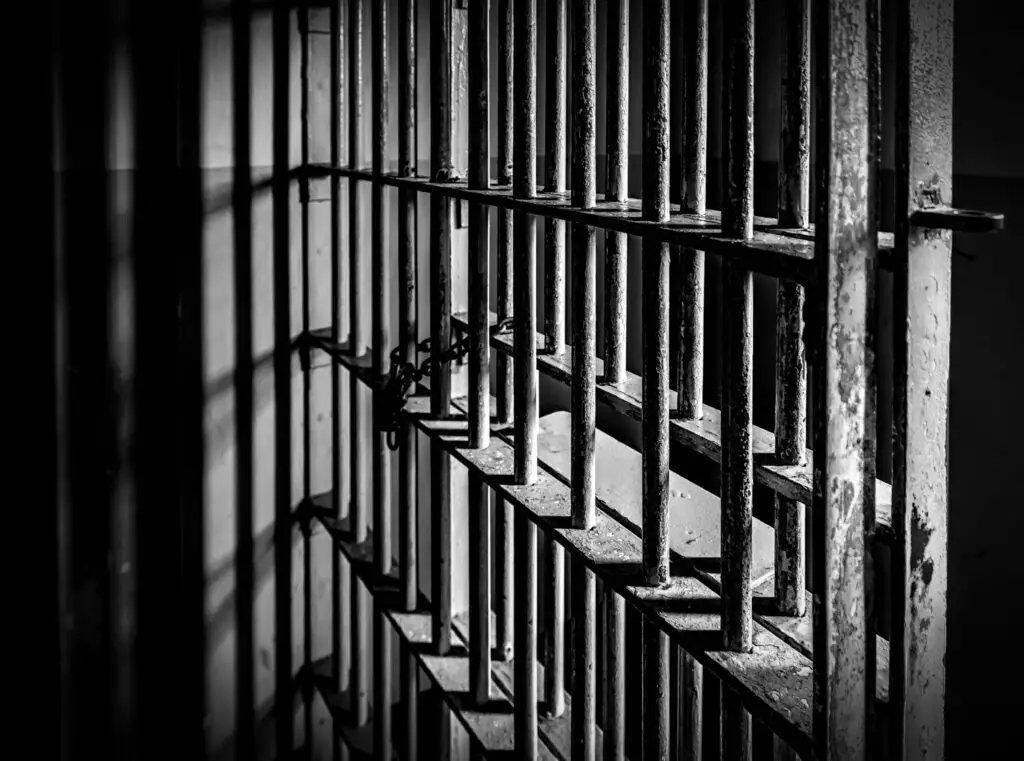
Perhaps the most urgent moment in the pontiff’s address came when he turned to the plight of journalists unjustly imprisoned around the world.
“The suffering of these imprisoned journalists challenges the conscience of nations and the international community,” he said, calling for their immediate release. “The Church recognizes in these witnesses — I am thinking of those who report on war even at the cost of their lives — the courage of those who defend dignity, justice, and the right of people to be informed.”
Press freedom advocates welcomed the pope’s remarks. The Committee to Protect Journalists (CPJ) reported earlier this year that journalist detentions remain at record highs. In 2024 alone, over 100 reporters were newly imprisoned, with authoritarian crackdowns, wars, and political instability driving the surge.
Countries like China, Myanmar, and Iran top the list of offenders, with CPJ citing “ongoing authoritarian repression” as the chief cause. Pope Leo’s vocal support adds moral and diplomatic weight to international efforts pushing for press freedom.
Pope Leo XIV also used the platform to propose a shift in global media culture — away from competition, hostility, and partisanship, and toward truth rooted in compassion.
The pope encouraged journalists to see themselves as peacemakers in a fragmented world, urging them to resist the pull of “loveless languages that are often ideological or partisan.”
“Let us protect the precious gift of free speech and of the press,” Pope Leo concluded. “Because when we guard truth with love, we guard the soul of humanity.”









Pardon Snowden and Assange!