





Federal officials have confirmed the first case of New World screwworm in Texas in six decades, triggering an aggressive response from state and federal authorities as they work to prevent the flesh-eating parasite from gaining a foothold in the United States.
The U.S. Department of Agriculture announced that a three-week-old calf in Zavala County near La Pryor, Texas, tested positive for New World screwworm, marking the first confirmed case in Texas since 1966. The detection comes after months of concern as the parasite steadily moved north through Mexico toward the U.S. border.
Agriculture Secretary Brooke Rollins said federal officials do not currently believe the discovery will develop into a widespread infestation.
“We do not believe this will be an infestation,” Rollins told lawmakers Thursday, adding that USDA response teams are already deployed and working to isolate any cases that emerge.
What Is New World Screwworm?
New World screwworm is a parasitic fly whose larvae feed on the living tissue of warm-blooded animals. Unlike most maggots, which consume dead tissue, screwworm larvae burrow into healthy flesh through wounds, navels, or natural body openings. Left untreated, infestations can severely injure or kill livestock, wildlife, pets, and, in rare cases, humans.
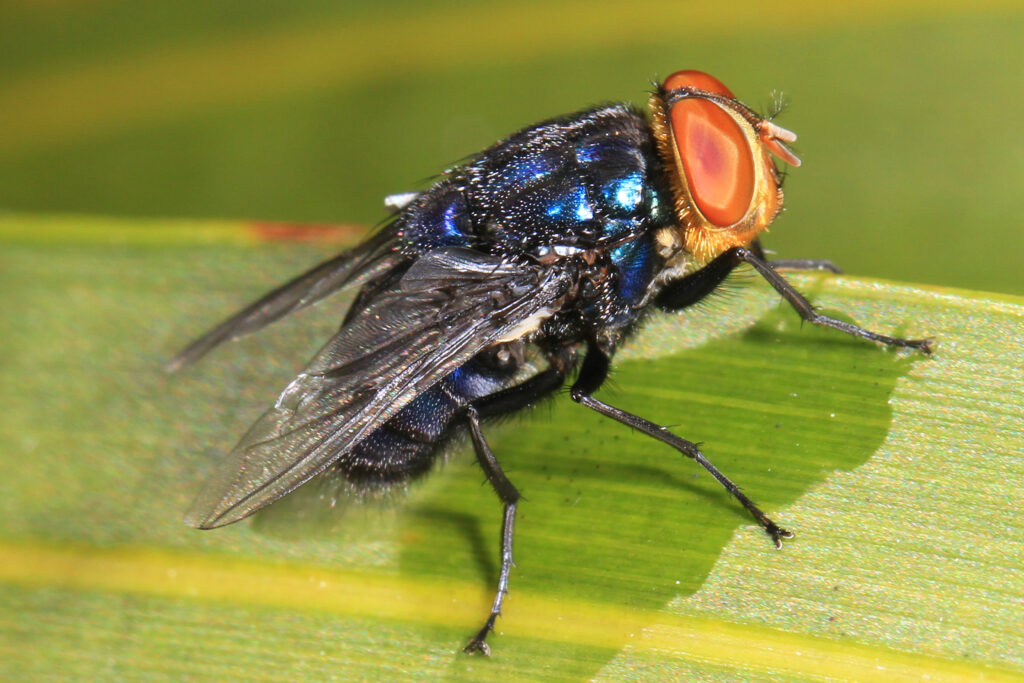
The pest was once a major threat to American agriculture before being eradicated from the United States in the 1960s through a massive sterile fly release program. Since then, only isolated incidents have occurred, including an outbreak among deer in Florida in 2016.
Immediate Quarantine and Response Measures
USDA and Texas animal health officials have established a 20-kilometer (12.4-mile) quarantine zone around the affected ranch and imposed movement restrictions on livestock and other warm-blooded animals within the surrounding area. Authorities are also increasing fly trapping efforts and deploying additional surveillance teams along the border.
Federal officials said they are activating their established New World Screwworm response plan, which includes releasing sterile flies to disrupt reproduction and prevent the parasite from spreading. The same strategy was used successfully to eradicate the pest from the United States decades ago.
Economic Stakes Are Enormous
The discovery has rattled ranchers and livestock markets because a major outbreak could inflict severe damage on the U.S. cattle industry.
Texas alone is home to more cattle than any other state, and industry officials have warned that widespread screwworm infestations could cost billions of dollars through livestock losses, treatment costs, and movement restrictions.

The USDA has already suspended cattle imports from parts of Mexico and expanded monitoring efforts as the parasite advanced northward through Central America and Mexico over the past several years.
Officials Urge Vigilance, Not Panic
Despite the seriousness of the discovery, animal health experts emphasize that the case appears isolated.
Texas Parks and Wildlife officials noted that no additional cases have been identified in Texas so far, while USDA officials stressed that infestations are treatable when detected early. Ranchers, veterinarians, and pet owners are being encouraged to watch for unusual wounds or signs of infestation and report suspected cases immediately.
For now, federal and state officials are betting that the same eradication tools that defeated screwworm decades ago can stop it again before it becomes a larger threat to American agriculture.
READ NEXT: New Video Casts Doubt On Congresswoman’s Criminal Accusations