

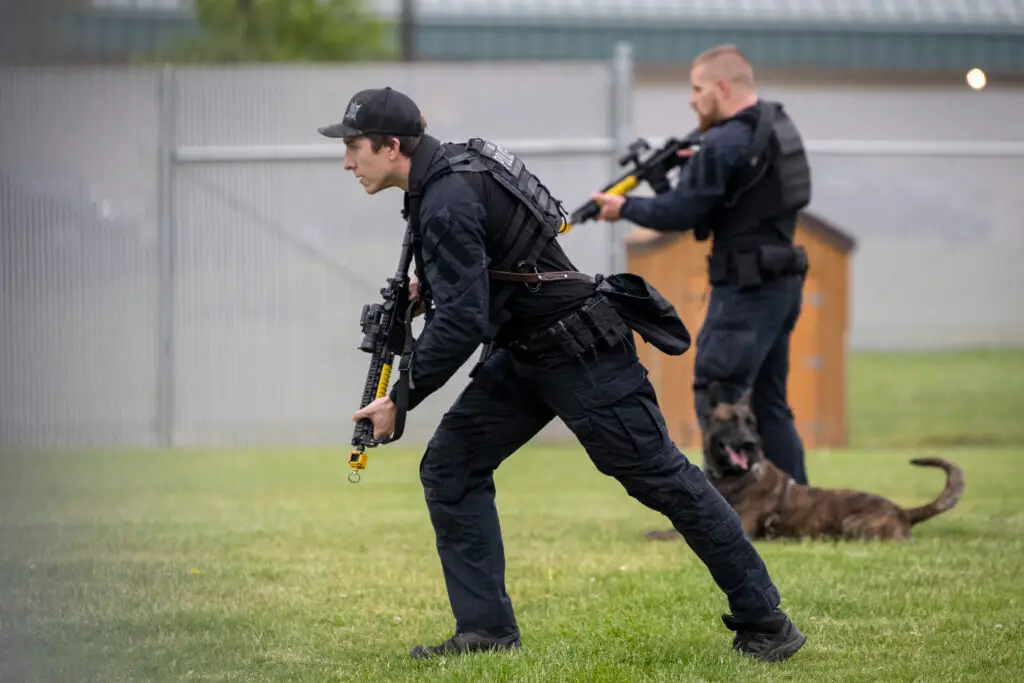
Federal operation shuts down over 100,000 SIM cards capable of encrypted communications, signal disruption, and more.
A major underground telecom network has been uncovered and dismantled by the U.S. Secret Service just miles from the United Nations General Assembly site in Manhattan. The system — comprising more than 300 SIM servers and over 100,000 SIM cards — was spread throughout the New York tri-state area, well within a 35-mile radius of the high-profile diplomatic hub.
High-Risk Capabilities: Encryption, Disruption, and Signal Sabotage
Federal officials say the network had the capacity to enable encrypted communications between foreign adversaries and individuals already on law enforcement radar. It could also have been leveraged for disruptive attacks on cellular infrastructure — including text-message flooding campaigns or even jamming mobile and emergency services.
One of the more alarming capabilities under investigation is the potential to disable or interfere with cellular towers, which could have interrupted 911 service and other critical communications in New York City. Given the operation’s proximity to the U.N. site and its timing — just ahead of the General Assembly — the threat level was taken seriously, even if no direct link to the event has been confirmed.
Investigation Traced Back Months, Data Analysis Underway
The operation began quietly in the spring, with coordination between federal, state, and local agencies. Law enforcement forensics teams are now reviewing what sources describe as a massive volume of data — on par with what you’d find on 100,000 mobile phones.
Officials have not publicly named suspects or countries of origin linked to the network, and no definitive evidence has emerged (yet) that the system was targeting the U.N. event specifically. However, the scale, sophistication, and location of the operation have raised glaring red flags.
The Washington Times reports:
“The potential for disruption to our country’s telecommunications posed by this network of devices cannot be overstated,” Secret Service Director Sean Curran wrote. “The U.S. Secret Service’s protective mission is all about prevention, and this investigation makes it clear to potential bad actors that imminent threats to our protectees will be immediately investigated, tracked down and dismantled.”
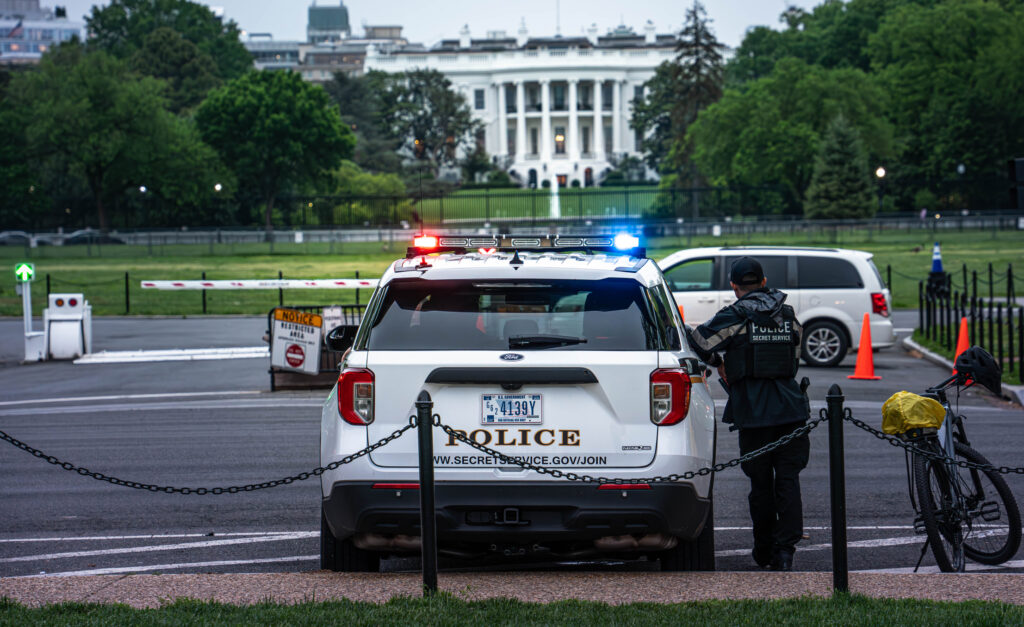
A Secret Service official also told reporters this week that the telecommunications network could have sent text messages to the entire country “within 12 minutes,” adding that it was an extremely well-funded operation.
Wake-Up Call for Infrastructure Resilience
Experts warn that if a bad actor had been able to activate this network, the fallout could have included crippling emergency systems, sowing chaos during high-security events, or providing a secure communications channel for organized criminal or foreign intelligence operations.
The discovery serves as a stark reminder of the vulnerabilities in U.S. communications infrastructure — and the growing importance of resilience and security in the face of emerging digital threats.
READ NEXT: The Biggest Gift Democrats Just Handed Republicans?


















I was a County Communications Coordinator for the local Sheriff’s Department for 20 years. One theme always came up every year at budget time. Why do we need radios? We all have cell phones? My response was always the same. In an emergency, when it hits the fan, The first thing that will go down is the Consumer Cellular Network. If the disaster takes out hardware that’s one thing but the real system killer is that people will flood the networks with so much traffic that they will cease to function at all. Public Safety managers, don’t ever let the politicians dismantle your private communications networks. Those will work and you have your own technicians to keep them running in a disaster.
Sounds like the CCP